Few things cost new players more pots than a shaky grasp of poker hand rankings. Knowing exactly where each combination sits in the hierarchy is the foundation of every good decision, from a confident value bet to a disciplined fold. Two of the most commonly confused holdings are Three of a Kind and Two Pair, hands that look similar in strength to a beginner but sit clearly apart in the official order. Getting this right is not academic; it directly shapes how you bet, call, and read the table in real time.
So does 3 of a kind beat 2 pair? The short answer is yes, and the reason comes down to probability. Three of a Kind is harder to make than Two Pair, so the ranking system rewards it with a higher place. Once you understand why rarity drives hand strength, the entire ranking chart starts to make intuitive sense rather than feeling like a list to memorise.
Understanding Poker Hand Rankings
The official poker rules arrange every hand on a single ladder, from the high card at the bottom to the royal flush at the top. The principle behind the order is simple: the rarer a hand is, the stronger it ranks. Each combination beats everything below it and loses to everything above, and this hierarchy is identical across virtually all popular variants, including Texas Hold’em.
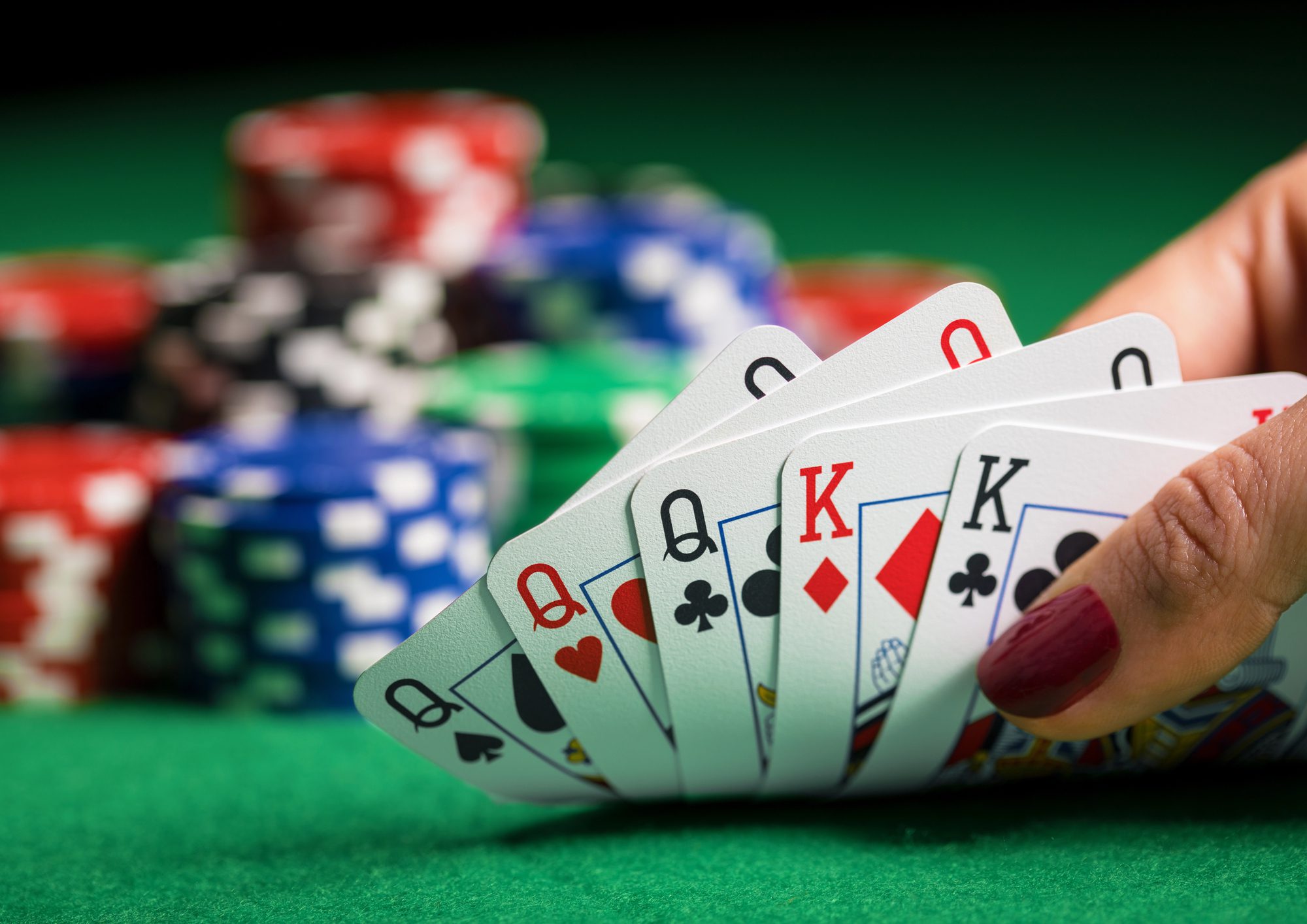
Within that ladder, Two Pair and Three of a Kind sit close together but not level. Two Pair, two cards of one rank alongside two of another, occupies a lower rung. Three of a Kind, three cards sharing the same rank, sits directly above it. That single step in the rankings explained here is the crux of the matter, and everything that follows builds on it.
Why Three of a Kind Beats Two Pair
The ranking logic is rooted entirely in frequency. In a standard five-card deal, Two Pair appears far more often than Three of a Kind, which makes the latter the more valuable holding by definition. Poker rewards scarcity, so the harder hand to assemble always claims the higher rank.
The gap matters in practice as well as in theory. When two players go to showdown, a set of any rank defeats even the strongest Two Pair, including aces and kings, every single time. This consistency is part of what makes the game so learnable, whether you sit at a casino table or play poker with crypto online, because the ranking never changes from one venue or format to the next. Master it once and it applies everywhere.
The comparison below summarises how the two hands stack up across the factors that matter most at the table.
| Factor | Three of a Kind | Two Pair |
| Ranking | Higher (6th strongest) | Lower (7th strongest) |
| Probability (5-card) | About 2.1% | About 4.75% |
| Typical Strength | Strong, often ahead | Moderate, vulnerable |
| Winning Potential | Wins most showdowns | Beaten by sets and better |
As the figures show, Two Pair is more than twice as likely to appear, and that very commonness is what places it below the rarer set.
Real Poker Examples
A few concrete Texas Hold’em scenarios make the difference unmistakable, and they are worth keeping in mind as you build a wider strategy guide for your own play. Imagine you hold pocket sevens and the board comes 7-K-2. You have flopped a set of sevens. An opponent holding K-2 has two pair, kings and deuces, and may feel confident, yet your three sevens are firmly ahead.
Now picture a board of Q-Q-9-4-2 where you hold Q-J for trip queens. An opponent with 9-4 has two pair but is drawing nearly dead against your three of a kind. The common misunderstanding in both cases is the same: the player with two pair sees two scoring combinations and overestimates them, forgetting that a single set quietly outranks the lot.
Common Beginner Mistakes
Because the two hands feel similar, beginners tend to repeat a predictable set of errors. Most of these stem from overvaluing Two Pair and misreading the situation around it, and recognising them early protects your stack. Watch for the following signs and pitfalls:
- Overvaluing Two Pair and committing too many chips when a set is plausible.
- Misreading board texture, especially paired boards that hide a likely Three of a Kind.
- Ignoring kickers, which decide the pot when two players share the same pairs.
- Reading hands incorrectly by counting your own cards while forgetting the opponent’s range.
Practical Strategy Tips
Sound poker strategy turns this knowledge of rankings into profit. With a genuine set, value betting is usually correct, because weaker holdings such as Two Pair will often pay you off generously. When you hold only Two Pair, however, temper your enthusiasm and weigh the board carefully before committing your stack.
Dangerous boards deserve special caution. A paired board makes a set far more likely, so a sudden burst of aggression from an opponent is a warning worth heeding. Against aggressive players in particular, slow down with vulnerable Two Pair and be willing to fold when the action and the poker odds suggest you are beaten. Discipline in these spots saves far more than the occasional hero call ever wins.
Conclusion
So does 3 of a kind beat 2 pair? Without exception, yes, and the reason is simply that a set is the harder hand to make. That single fact ripples through every betting decision you face, telling you when to push value, when to slow down, and when to let a vulnerable two pair go. Internalise the hierarchy of winning poker hands and you stop guessing at showdown strength, replacing hopeful calls with informed choices. Over the long run, that clarity is exactly what separates players who steadily improve from those who keep paying to learn the same lesson.
photo by depositphotos