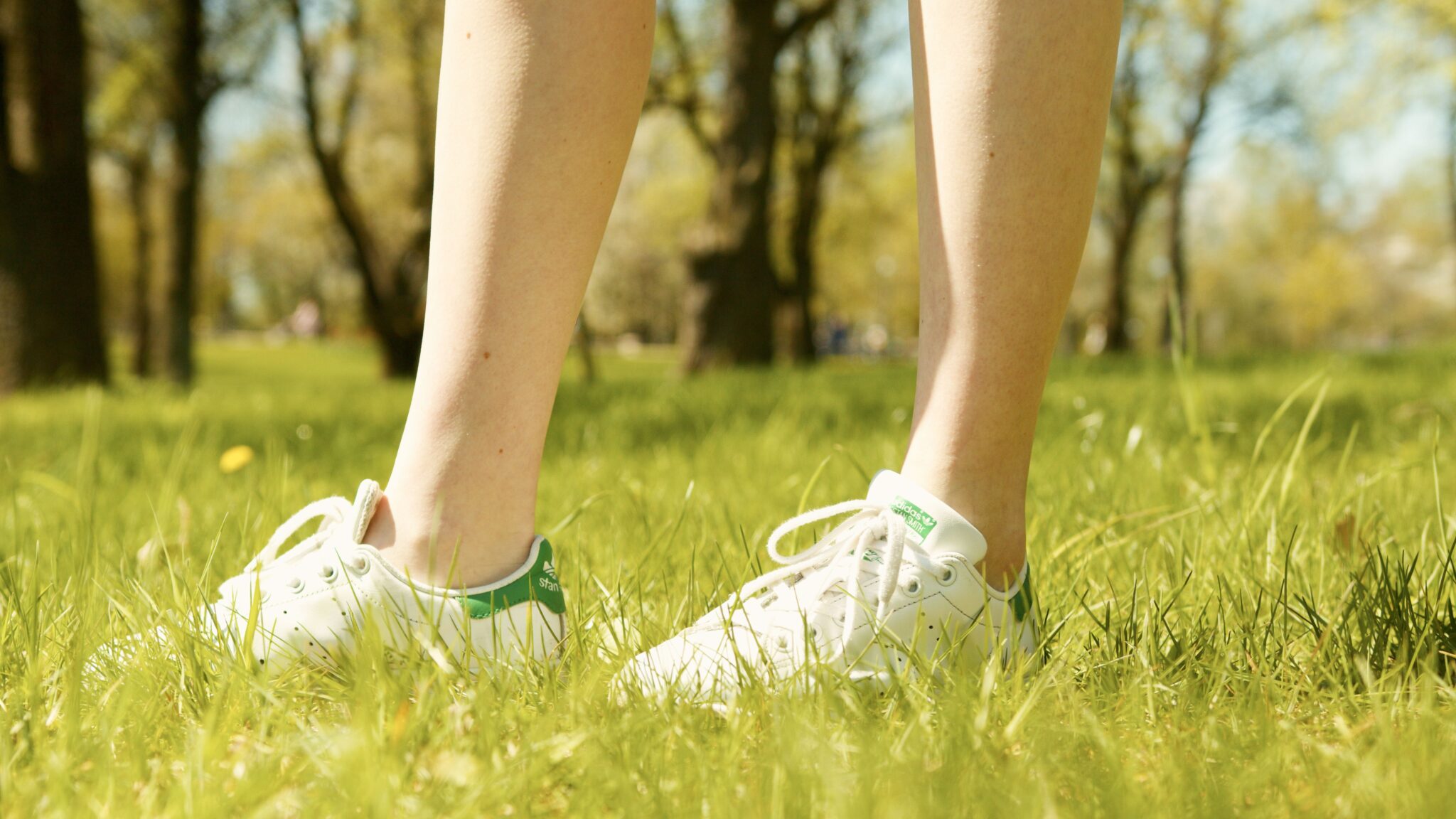
Travel changes the workload on your feet almost immediately.
An ordinary day at home might involve a familiar commute, predictable shoes and plenty of opportunities to sit down. A travel day can mean a long airport terminal, several hours in one seat, swollen feet on arrival, cobbled streets the next morning and 15,000 sightseeing steps in footwear that suddenly feels tighter than it did before departure.
For people living with diabetes, those small changes deserve more attention. Diabetes can damage nerves in the feet and reduce blood flow. When sensation is reduced, a blister, hot surface or object inside a shoe may cause an injury without producing the usual warning pain. Poor circulation can also make some wounds slower to heal.
Good diabetes travel foot care is therefore less about restricting activity and more about preventing predictable problems. The aim is to arrive with footwear that already fits, manage swelling during the journey, inspect the feet regularly and react early if something changes.
Why Can Travel Be Harder on Feet With Diabetes?
Travel combines several foot stresses that rarely occur all at once during a normal working week.
There is prolonged sitting during flights or road journeys. Then comes extra standing in immigration queues, stations and hotel check-ins. A city break may involve several consecutive high-mileage days. Beach holidays introduce hot sand, unfamiliar surfaces and open footwear. Warm climates can also make feet swell, changing how an otherwise familiar shoe fits.
Peripheral neuropathy makes these circumstances more important because sensation normally acts as an early warning system. Diabetes UK notes that nerve damage can make it harder to notice injuries, while blood-vessel damage may impair healing. A seemingly minor blister can therefore become much more significant if it is overlooked.
The solution is not to assume every traveller with diabetes has the same risk. Someone with normal sensation and no previous foot problems is in a different position from a traveller with neuropathy, peripheral arterial disease, previous ulceration or a history of amputation.
Knowing which group you fall into before departure can change how carefully the trip needs to be planned.
Do Your Footwear Check Before the Suitcase Comes Out
A holiday is a poor time to discover whether new shoes rub.
If you intend to buy footwear for the trip, get it early enough to test it during normal life. NHS foot-care guidance specifically advises buying new holiday footwear in advance and wearing it at home first to make sure it fits comfortably.
That means more than walking around the bedroom for three minutes.
Wear the shoes with the socks you plan to travel in. Try them when your feet have been active for part of the day. Walk long enough to detect rubbing around the heel, little toe, forefoot and top of the foot.
Shoes should neither compress the foot nor allow it to slide excessively. Diabetes UK advises avoiding footwear that is too tight, too loose or prone to rubbing. It also recommends checking inside shoes for objects or damage before putting them on.
For travellers who need extra room because of swelling, neuropathy or a broad forefoot, specialist diabetic shoes are available in wider fittings. Some current men’s ranges extend through 2E, 4E and 6E widths and use adjustable designs intended to accommodate greater foot volume.
Width alone, however, does not make footwear appropriate. The heel should still be reasonably secure, the toes need adequate space, and any prescribed orthotic must fit without making the upper too tight.
What Happens to Your Feet During a Long Flight?
A long flight creates a very different environment from walking.
Sitting for hours reduces the normal muscle movement that helps return fluid from the lower legs. Feet and ankles may become noticeably swollen, and long periods in the same position can make a previously comfortable shoe feel considerably tighter.
NHS guidance lists prolonged sitting or standing as a common cause of swelling in the feet, ankles and legs.
Specialist NHS diabetes foot-care advice consequently recommends adjustable footwear during flights so the fit can accommodate swelling. It also suggests an aisle seat where practical and regular movement during the journey.
This is one reason tight slip-ons or rigid dress shoes can be troublesome travel choices even if they normally work well for an office day.
Loosen the fit rather than removing protection
If your feet swell during a flight, adjustable laces or straps allow small changes without abandoning footwear entirely.
Going barefoot around an aircraft cabin is not a sensible alternative for someone at increased risk of unnoticed foot injury. It exposes the feet to dropped objects, rough surfaces and accidental knocks.
A roomy travel shoe should still stay on the foot securely enough for walking through the airport after landing.
Move during long journeys
The CDC notes that travel lasting more than four hours, whether by plane, car, bus or train, is associated with some risk of blood clots. The overall risk for most travellers is small, but immobility is an important factor.
The CDC’s 2026 Yellow Book advises travellers with chronic illnesses to remain hydrated and walk and stretch at regular intervals during long-distance travel.
Foot swelling and deep vein thrombosis are not the same thing. New one-sided swelling, pain, warmth or other concerning symptoms should not simply be dismissed as normal post-flight puffiness.
Travellers considering compression stockings because of clot risk or persistent swelling should seek appropriate clinical advice, particularly if they also have circulation problems affecting the legs or feet.
The First Foot Check Should Happen After Arrival
After a long journey, people naturally unpack, shower and head out for dinner. It is worth adding a 60-second foot inspection before doing so.
Remove shoes and socks and look at the soles, heels, sides and between the toes. A mirror or phone camera can help with areas that are difficult to see.
Look for new redness, swelling, blisters, cuts, cracks or places where the skin appears rubbed.
Daily inspection is a core recommendation from both the CDC and American Diabetes Association because reduced sensation can allow injuries to develop without being noticed.
The post-flight check is particularly useful because it establishes whether the journey itself has created a pressure point before you begin a long day of walking.
How Do You Protect Your Feet on High-Step Sightseeing Days?
A city holiday can compress a week’s worth of recreational walking into two or three days.
Museums are farther apart than they looked on the map. Metro stations have stairs. Historic districts have uneven stone. Then there is an evening reservation on the other side of town.
The first rule is not to make Day One the footwear endurance test.
If you normally walk 4,000 or 5,000 steps a day, suddenly spending an entire day touring a large city substantially changes the load on your feet. Build breaks into the schedule and examine your feet before a minor rubbing point has another six hours to develop.
Wear the shoe that was tested for walking
Travel footwear should be chosen for the actual itinerary rather than appearance alone.
A supportive walking shoe may make sense for a full sightseeing day, while smarter footwear can be carried for dinner. Trying to make one narrow dress shoe handle airports, pavements and evening events often creates an unnecessary compromise.
The earlier Impact Wealth discussion of professional foot comfort makes a similar point in a work context: footwear has to be considered across the entire day rather than judged during a brief fitting. Travel magnifies the same issue because the day is less predictable.
Check socks as carefully as shoes
Socks form the layer directly against the skin.
They should fit without bunching and should not have thick seams sitting over vulnerable areas. The ADA recommends socks and properly fitting footwear as part of routine foot protection and notes the usefulness of moisture-wicking materials for keeping feet dry.
Carry a spare pair on especially long walking days. Wet socks from rain, perspiration or an unexpected splash can increase friction and are worth changing rather than tolerating for the rest of the afternoon.
Inspect the inside of the shoe every morning
Hotel rooms, beaches and outdoor cafés make it surprisingly easy for grit or small debris to find its way into footwear.
For someone with intact sensation, a grain of gravel usually becomes irritating almost immediately. Neuropathy can remove that warning.
Check the lining with your hand before putting shoes on. Look for folded insoles, worn seams and foreign objects. Both the ADA and Diabetes UK include inside-the-shoe checks in their foot-care guidance.
Hot Destinations Create Risks You Cannot Judge by Touch
Beach holidays bring a peculiar problem: the foot itself may not accurately tell you that a surface is too hot.
Scottish NHS diabetes guidance warns that sand can become hot enough to burn feet and specifically advises wearing footwear on the beach. It also recommends protective shoes in the sea rather than walking barefoot.
This matters most when neuropathy has reduced temperature sensation.
Pool decks, pavements and sun-heated stone can present the same problem. Do not test a surface with the sole of a foot if you already know sensation is impaired.
Flip-flops deserve caution as well. They provide little protection around the foot, and NHS diabetes holiday guidance notes that the toe post can cause blistering.
A lightweight closed or securely fastened water shoe is often more practical where shells, rocks, hot ground or debris are likely.
Warm Weather Can Change the Fit of a Familiar Shoe
A pair that fits perfectly during a cool morning at home may feel different after a flight into hot weather.
Heat, prolonged standing and travel-related swelling can increase foot volume. Norwich University Hospitals specifically warns that holiday swelling may make normally comfortable footwear tighter and more likely to rub.
This is where adjustable footwear earns its place in the suitcase.
The answer is not necessarily buying shoes several sizes larger before travelling. Excessive internal space allows the foot to move and can create friction of its own.
Instead, look for adequate width and depth combined with an adjustable closure. Current specialist diabetic shoes, for example, include extra-wide options designed around higher-volume or swollen feet.
If your swelling is new, pronounced, persistent or noticeably worse on one side, treat it as a health issue rather than simply solving it with a bigger shoe.
A Small Foot-Care Kit Deserves Space in Your Luggage
You do not need to pack a miniature clinic, but a few basic supplies are useful.
The CDC’s 2026 Yellow Book recommends a personal travel health kit tailored to the traveller’s conditions and itinerary. Its suggested wound-care supplies include adhesive bandages, non-stick dressings, gauze, medical tape and items for blister prevention or treatment.
For diabetes-related foot care, sensible additions may include spare clean socks, any prescribed orthotic or specialist footwear you normally use, and a small mirror if inspecting the soles of the feet is difficult.
Do not pack your only essential pair of shoes deep inside checked luggage if losing the bag would leave you with unsuitable footwear.
Likewise, someone who has been prescribed specialist shoes for a high-risk foot should not assume ordinary holiday footwear is an equivalent replacement. Scottish NHS guidance specifically tells people who have been supplied prescription footwear to continue using it while away.
What Should You Do if a Blister Appears During the Trip?
Do not automatically treat a blister as an invitation to apply a plaster and keep walking another ten miles.
First, stop the friction that caused it. Change footwear if possible and inspect the surrounding skin.
A blister may seem trivial, but Diabetes UK warns that minor damage can develop into a serious infection or ulcer in people at increased risk of diabetic foot complications.
Do not deliberately burst a blister yourself. Diabetes UK advises seeking medical advice when a diabetic blister requires drainage and watching carefully for surrounding redness.
How urgently you need professional assessment depends on your personal foot risk and what the injury looks like. Previous ulcers, poor circulation, significant neuropathy or an existing high-risk classification lowers the threshold for seeking help.
An unexplained red, hot and swollen foot deserves particular attention. Diabetes UK identifies this pattern as a warning sign associated with Charcot foot and recommends immediately taking weight off the affected foot and seeking medical help.
Should You Have a Foot Check Before Travelling?
Not every holiday requires a special podiatry appointment.
However, a pre-trip review makes sense when you already have neuropathy, poor circulation, a previous ulcer, a major foot deformity or a recent change in foot condition. It is also sensible before a demanding itinerary if an existing foot problem has not been reviewed recently.
In the UK, NICE guidance includes regular foot assessment as part of diabetes care, with future monitoring based on the person’s level of foot risk.
If you have been told that you are at moderate or high risk, travel planning should reflect that status. A trekking holiday, a pilgrimage involving extensive walking or a remote trip with limited access to medical care is different from a weekend in a city where you can easily change plans.
The purpose of an assessment is not to obtain permission to travel. It is to know what problems you are trying to prevent and what action to take if one develops.
FAQs About diabetes travel foot care
Should people with diabetes take their shoes off during a long flight?
Usually, it is better to wear comfortable, adjustable footwear rather than remain barefoot. Feet can swell during long journeys, so loosening an adjustable closure may be more practical than wearing a tight shoe. Protective footwear is also useful when walking around the cabin and airport.
Can I wear sandals on holiday if I have diabetes?
That depends on your foot risk and the sandal. Open footwear provides less protection from hot surfaces, sharp objects and impacts. People with neuropathy or a history of foot ulceration should follow the footwear advice given by their diabetes or podiatry team. Going barefoot on beaches or hot surfaces is specifically discouraged by diabetes foot-care guidance.
How often should I inspect my feet while travelling?
At least once every day is a sensible baseline, and an extra inspection after a long flight or unusually heavy walking day can be useful. The CDC recommends daily foot checks for cuts, redness, swelling, sores and blisters.
What should I do if my feet swell on holiday?
Mild swelling can occur after prolonged sitting, standing, flying or exposure to hot weather. Adjustable footwear, regular movement and avoiding long periods in one position can help. New, severe, painful or one-sided swelling should be medically assessed rather than assumed to be ordinary travel swelling.
Travel Far, but Keep the Foot-Care Routine Familiar
The unusual thing about travel is that almost everything changes at once: the climate, surfaces, daily mileage, meals, schedule and amount of time spent sitting or standing.
Your approach to your feet should be one of the things that stays familiar.
Wear footwear you have already tested. Expect the fit to change somewhat during a long flight or a hot day. Check your feet instead of relying entirely on pain to tell you that something is wrong. Keep them protected on beaches, pool decks and unfamiliar surfaces. Most importantly, treat a new injury early rather than allowing a packed itinerary to decide when you deal with it.
A successful trip should be remembered for the places you reached, not for the blister you ignored on the second morning.