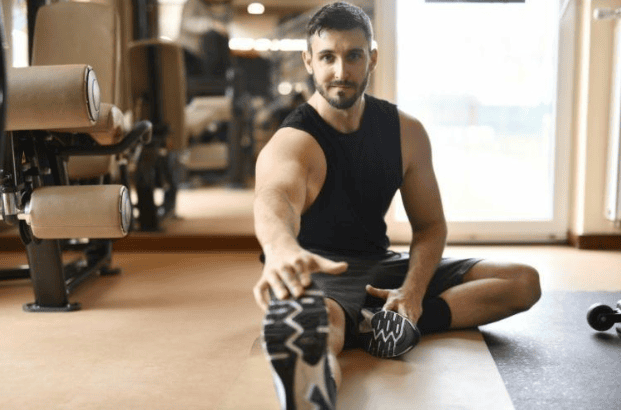
[Photo by Andrea Piacquadio from Pexels on Canva.]
For years, high performance has been associated with working harder, training longer, and squeezing more into every day. Yet the conversation is changing. Today’s leaders, entrepreneurs, athletes, and investors increasingly recognize that sustained success depends just as much on recovery as it does on effort.
This shift reflects a growing body of scientific evidence showing that recovery is not simply the absence of work. It is an active biological process that supports physical adaptation, cognitive performance, emotional resilience, and long-term health. Whether someone is building a business, managing investments, or pursuing personal fitness goals, prioritizing recovery can help improve consistency rather than chasing short-lived peaks.
Why Recovery Has Become a Performance Strategy
Recovery has evolved from an afterthought into one of the defining characteristics of high-performing individuals. Rather than viewing downtime as lost productivity, many executives now see it as an investment in sustained performance.
Dr. Andrew Huberman, a neuroscientist at Stanford University, has frequently emphasized that “deep rest” plays a critical role in maintaining attention, learning, and long-term cognitive function. Similarly, research published by the American College of Sports Medicine demonstrates that adequate recovery allows the body to adapt to training while reducing the risk of fatigue-related injuries.
This perspective extends well beyond elite athletes. Knowledge workers face their own kind of strain from long hours, frequent decisions, and ongoing stress. Without sufficient recovery, even highly motivated professionals can experience declining productivity, reduced creativity, and burnout.
Researchers continue to study several peptide compounds, including the Wolverine Blend, for possible biological roles. Many are still experimental and aren’t approved for routine treatment use. As with any emerging area of biomedical science, it’s important to distinguish between preclinical findings and established clinical evidence. The licensedpeptides.com/product/bpc-157-tb-500-thymosin-beta-4-blend/ page on the Wolverine Blend explains the context around the peptide and how the current research has only focused on the BPC-157 and Thymosin Beta 4 blends separately and not together.
Sleep Remains the Ultimate Recovery Tool
No recovery strategy delivers greater returns than quality sleep. During sleep, the body repairs tissues, regulates hormones, consolidates memories, and clears metabolic waste from the brain. Research from the National Institutes of Health shows that too little sleep slows reaction time. It also affects decision-making, immune function, and heart health.
Matthew Walker is a professor of neuroscience and psychology at the University of California, Berkeley. He says sleep is “the single most effective thing we can do to reset our brain and body health each day.”
While individual sleep requirements vary, most healthy adults benefit from seven to nine hours of sleep each night. Consistent sleep schedules, less screen time at night, and less caffeine later in the day are simple, proven ways to improve recovery.
Movement Supports Recovery, Too
Recovery shouldn’t be confused with inactivity. Low-intensity movement often helps accelerate recovery by promoting circulation and reducing stiffness. Activities such as walking, swimming, mobility work, or gentle cycling can support muscle recovery without placing additional stress on the body.
For professionals who spend much of the day seated, regular movement also helps offset the negative effects of prolonged sedentary behavior. Even brief movement breaks throughout the day have been associated with improved circulation, reduced musculoskeletal discomfort, and better concentration.
Nutrition Builds the Foundation
The body can’t recover efficiently without adequate nutrition. Protein provides the amino acids needed for muscle repair, while carbohydrates replenish glycogen stores after exercise. Healthy fats support hormone production, and a wide range of vitamins and minerals contribute to immune function and tissue repair.
Hydration also deserves greater attention. Even mild dehydration has been linked to reduced cognitive performance, lower physical endurance, and impaired mood.
Rather than focusing on restrictive diets or short-term trends, many performance specialists recommend building sustainable eating habits centered around whole foods, sufficient protein, colorful fruits and vegetables, and adequate hydration.
Stress Management Is Part of Physical Recovery
Chronic psychological stress activates the body’s stress response, increasing cortisol levels and making recovery more difficult over time. Persistent stress has been associated with sleep disruption, impaired immune function, elevated blood pressure, and reduced cognitive flexibility.
Simple recovery practices (including mindfulness, breathing exercises, time outdoors, and regular social connection) can help regulate the nervous system.
Harvard Medical School notes that relaxation techniques may help reduce stress while supporting overall physical and mental well-being. Although these approaches are not substitutes for medical care when needed, they can form part of a broader recovery strategy.
Technology Is Making Recovery More Measurable
Wearable devices have transformed how people monitor recovery. Smartwatches and fitness trackers now estimate sleep quality, heart rate variability (HRV), resting heart rate, and training readiness. Although these metrics should not replace professional medical advice, they can help individuals recognize patterns between lifestyle choices and recovery.
For executives balancing demanding schedules, objective data can reinforce habits that improve long-term performance rather than relying solely on subjective feelings of fatigue.
The growing popularity of recovery-focused technology reflects a broader cultural shift toward prevention instead of reaction.
Emerging Recovery Science Continues to Evolve
Scientific interest in recovery has expanded significantly over the past decade, with researchers exploring new approaches to tissue repair, inflammation, and regenerative medicine.
Among these areas of investigation is peptide research. Scientists continue to study various naturally occurring and synthetic peptides to better understand their biological functions and their potential role in future medical applications. However, many peptide compounds that attract public attention remain experimental, have not been approved for routine therapeutic use by major regulatory authorities, and require substantially more clinical research to establish their safety and effectiveness.
For health-conscious readers, the most reliable recovery strategies remain those supported by robust evidence: consistent sleep, structured exercise, balanced nutrition, stress management, and appropriate medical guidance when needed.
Recovery Is an Investment in Longevity
One reason recovery resonates with today’s investors and business leaders is its connection to longevity.
The goal is no longer simply to perform at a high level today. Increasingly, successful professionals want to maintain physical capacity, mental sharpness, and resilience over decades.
This mindset mirrors long-term investing. Sustainable returns are rarely achieved through constant risk-taking; they are built through discipline, consistency, and thoughtful decision-making. The same principle applies to health.
Recovery allows the body to adapt, rebuild, and prepare for future demands instead of remaining trapped in a cycle of continuous stress.
Conclusion
High performance is often celebrated for its intensity, but its sustainability depends on recovery. When leading an organization, managing investments, competing in sport, or pursuing personal goals, recovery provides the foundation that allows consistent excellence over time. Sleep, nutrition, movement, stress management, and evidence-based health practices all contribute to stronger physical performance and clearer thinking.
As research into human performance continues to evolve, one lesson remains remarkably consistent: success is not determined solely by how hard we push ourselves, but by how effectively we allow ourselves to recover.
References
American College of Sports Medicine. (2021). ACSM’s Guidelines for Exercise Testing and Prescription (11th ed.). Wolters Kluwer.
Fullagar, H. H. K., Skorski, S., Duffield, R., Hammes, D., Coutts, A. J., & Meyer, T. (2015). Sleep and athletic performance: The effects of sleep loss on exercise performance, and physiological and cognitive responses to exercise. Sports Medicine, 45(2), 161–186.
Harvard Health Publishing. (2020). Relaxation techniques: Breath control helps quell errant stress response. Harvard Medical School.
Huberman, A. (2021). Master Your Sleep & Be More Alert When Awake. Huberman Lab Podcast, Episode 2.
National Heart, Lung, and Blood Institute. (2022). Sleep deprivation and deficiency. National Institutes of Health.
Walker, M. P. (2017). Why We Sleep: Unlocking the Power of Sleep and Dreams. Scribner.
Watson, A. M. (2017). Sleep and athletic performance. Current Sports Medicine Reports, 16(6), 413–418.
World Health Organization. (2020). WHO Guidelines on Physical Activity and Sedentary Behaviour. World Health Organization.