Credit card debt can become difficult to manage when high interest charges keep adding to your balance. If you are looking for the best ways to pay off credit card debt without a loan, you do not necessarily need to borrow more money to solve the problem. With a realistic repayment strategy, careful budgeting, and consistent payments, you can work toward becoming debt-free using your existing income.
The key is to stop adding new debt, understand exactly what you owe, and choose a repayment method that you can realistically maintain.
Why Paying Off Credit Card Debt Without a Loan Can Make Sense
Taking out another loan may simplify your payments, but it also means replacing one form of debt with another. The Consumer Financial Protection Bureau recommends understanding why you accumulated the debt and reviewing your spending before considering consolidation. It also notes that creditors may sometimes be willing to discuss lower payments, reduced interest, or changes to payment dates.
Paying off your existing credit card balances directly can have an important advantage: you are focused on eliminating debt rather than creating a new loan obligation.
1. Stop Adding New Credit Card Debt
The first step is to prevent your balance from growing.
If you continue using your credit cards for everyday purchases while trying to pay them down, it can become difficult to see meaningful progress. Consider temporarily switching to cash, a debit card, or a predetermined spending allowance for necessary purchases.
This does not mean you need to close every credit card account. The important thing is to avoid using credit to cover expenses that your current income cannot afford.
2. List All Your Credit Card Debts
Before choosing a repayment strategy, create a complete list of your credit card balances.
Record the:
- Credit card balance
- Interest rate or APR
- Minimum payment
- Payment due date
- Credit limit
A simple table can make your situation much easier to understand.
| Credit Card | Balance | APR | Minimum Payment |
|---|---|---|---|
| Card A | $2,500 | 24% | $75 |
| Card B | $1,200 | 29% | $45 |
| Card C | $700 | 19% | $30 |
| Total | $4,400 | — | $150 |
Once you know the numbers, you can decide where your extra money should go.
3. Try the Debt Avalanche Method
The debt avalanche method focuses on paying off the credit card with the highest interest rate first.
You continue making at least the required minimum payments on your other cards. Any extra money goes toward the card with the highest APR.
Once that card is completely paid off, you move the money you were paying toward the next-highest-interest card.
The advantage is that you are attacking the debt that costs you the most in interest. The CFPB identifies the highest-interest-rate method as one of the two basic debt-reduction strategies and notes that it can save money over the long term.
Example
Suppose you have:
- Card A: 29% APR
- Card B: 22% APR
- Card C: 17% APR
The avalanche strategy would prioritize Card A, regardless of its balance.
This method is particularly useful if your main goal is to minimize interest costs.
4. Consider the Debt Snowball Method
If you need motivation to stay consistent, the debt snowball method may be easier to follow.
Instead of prioritizing the highest interest rate, you pay off the smallest balance first while making minimum payments on the other cards.
For example:
- Pay off the $500 balance.
- Move that payment toward the $1,200 balance.
- Then attack the $2,500 balance.
The CFPB notes that the snowball method can provide faster psychological wins because you eliminate smaller debts sooner, although it can result in more interest being paid than the highest-interest method.
5. Pay More Than the Minimum
Making only the minimum payment can keep your account current, but it can take much longer to eliminate the balance and result in more interest charges.
Whenever your budget allows, pay more than the minimum.
For example, if your minimum payment is $50 but you can realistically afford $100, the additional $50 can accelerate your progress.
The CFPB explains that paying more than the minimum generally reduces the amount of time required to repay a credit card balance.
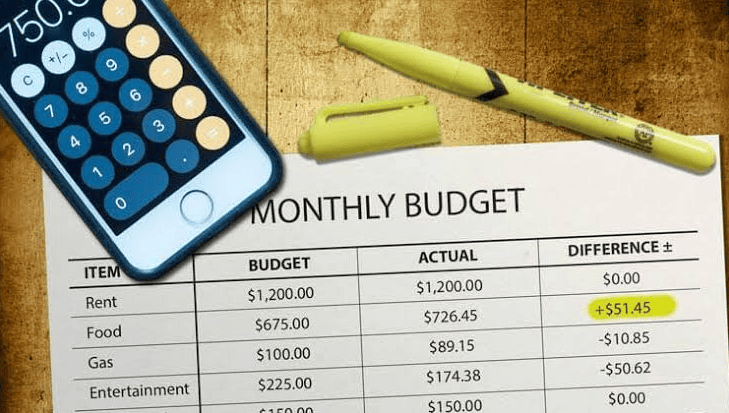
6. Create a Temporary Debt-Payoff Budget
Look at your monthly income and expenses and create a temporary budget specifically for debt repayment.
For a few months, consider reducing nonessential spending such as:
- Restaurant meals
- Streaming subscriptions
- Impulse shopping
- Expensive entertainment
- Unused memberships
- Frequent delivery orders
You do not have to eliminate every enjoyable activity. The goal is to redirect some money toward your highest-priority debt.
Even an additional $100 per month can make a meaningful difference when consistently applied to a credit card balance.
7. Increase Your Income
Cutting expenses is only one side of debt repayment. Increasing income can also accelerate your progress.
Depending on your circumstances, you could consider:
- Working additional hours
- Freelancing
- Selling unused items
- Taking temporary work
- Offering a skill as a service
- Starting a small side business
Try to dedicate at least part of any additional income directly to your credit card repayment rather than increasing your lifestyle expenses.
8. Ask Your Credit Card Company for Help
If your interest rate is making repayment difficult, contact the card issuer directly.
Explain your financial situation and ask whether they have any hardship options, lower-interest arrangements, reduced payment plans, or fee-relief programs available.
The CFPB specifically recommends contacting credit card companies when you are struggling and explaining what you can afford to pay. Some creditors may be willing to modify payment arrangements.
There is no guarantee that your issuer will agree, but asking can be worthwhile.
9. Consider a Nonprofit Credit Counselor
If you have several credit cards and cannot create a workable repayment plan yourself, nonprofit credit counseling may be worth considering.
A credit counselor can review your income, expenses, and debts and help you develop a repayment strategy. Some counseling organizations may also offer debt management plans.
Before working with any organization, understand its fees and exactly what services it provides.
10. Avoid Replacing Credit Card Debt With Risky Debt
When debt feels overwhelming, it can be tempting to use retirement savings, expensive short-term borrowing, or other high-cost options.
Be especially cautious about companies that promise to make your debt disappear or encourage you to stop making payments. The CFPB warns that debt-settlement companies can charge significant fees and that stopping payments can lead to additional fees, interest, collection activity, and credit damage.
If your goal is to become debt-free without a loan, focus first on strategies that use your existing income and reduce your outstanding balances.
A Simple Credit Card Debt Payoff Plan
Here is a straightforward process you can follow:
| Step | Action |
|---|---|
| 1 | Stop unnecessary credit card spending |
| 2 | List every balance and APR |
| 3 | Calculate how much extra you can pay monthly |
| 4 | Choose avalanche or snowball |
| 5 | Make at least the required payments on every card |
| 6 | Put extra money toward your target card |
| 7 | Redirect each paid-off payment to the next debt |
| 8 | Review your budget every month |
| 9 | Avoid accumulating new balances |
| 10 | Celebrate each debt milestone and continue |
Frequently Asked Questions
What is the fastest way to pay off credit card debt without a loan?
The fastest approach depends on your balances, interest rates, and available income. Generally, paying more than the minimum and directing extra money toward your highest-interest balance can reduce expensive interest costs.
Is the debt avalanche better than the snowball method?
Neither method is universally best. The avalanche method prioritizes the highest interest rate and can reduce interest costs, while the snowball method prioritizes the smallest balance and can provide quicker psychological wins.
Should I stop using my credit cards while paying off debt?
If possible, avoiding new purchases on cards carrying balances can make repayment easier. Continuing to add purchases can offset your payments and slow your progress.
Can I negotiate my credit card interest rate?
You can contact your credit card issuer and ask whether a lower rate or hardship option is available. Approval depends on the card issuer and your circumstances.
Should I pay savings or credit card debt first?
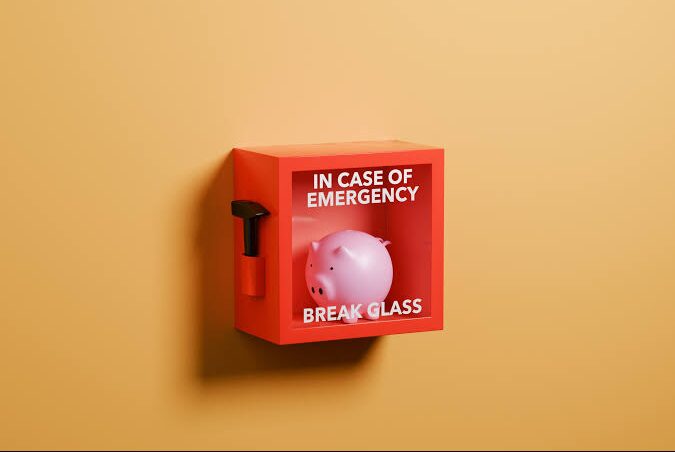
It can be useful to maintain a small emergency cushion while aggressively addressing high-interest debt. Without any emergency savings, an unexpected expense could force you to use your credit cards again.
What if I cannot afford the minimum payment?
Contact your credit card company as soon as possible rather than ignoring the bill. Explain your situation and what payment you can realistically afford. You can also consider nonprofit credit counseling for additional guidance.
Final Thoughts
The best ways to pay off credit card debt without a loan involve creating a plan you can maintain consistently. Start by stopping new unnecessary charges, listing every balance and interest rate, and choosing either the avalanche or snowball method.
Then look for ways to increase your monthly payment through spending reductions or additional income. If repayment becomes difficult, contact your creditors and consider reputable nonprofit credit counseling rather than immediately taking on more debt.
You do not need to eliminate your entire balance overnight. Consistent payments, controlled spending, and a clear strategy can gradually turn a large credit card balance into a zero balance.