Creating a monthly budget on a low income can feel difficult, especially when most of your paycheck already goes toward essential expenses. However, budgeting is not about having a large income or eliminating everything you enjoy. It is about giving your money a clear purpose and making sure your most important expenses are covered first.
A realistic budget should reflect your actual income, regular bills, changing expenses, savings goals, and unexpected costs. If your income varies from month to month, it is especially important to build your plan around a conservative income estimate rather than your best month.
The good news is that you do not need a complicated spreadsheet or expensive budgeting app. A notebook, calculator, or simple spreadsheet can be enough to get started.
Why Budgeting on a Low Income Is Different
Many popular budgeting methods use fixed percentages for housing, food, entertainment, savings, and other categories. Those percentages can be useful as general guidelines, but they do not work perfectly for everyone.
When your income is limited, essential expenses may consume most of your monthly money. Housing, groceries, transportation, utilities, healthcare, and debt payments can leave very little for savings or entertainment.
That does not mean your budget has failed.
Instead of trying to force your finances into a specific percentage, focus on priorities. Your first goal should be to cover necessities, then create a small financial cushion, reduce expensive debt, and gradually increase your savings.
Step 1: Calculate Your Real Monthly Income
Start with the amount of money you actually receive after taxes and other deductions.
If you have a fixed salary, this may be straightforward. If you work hourly, freelance, receive tips, or have an irregular income, review several recent months.
A conservative approach is to use your lowest recent monthly income as your starting point. This helps prevent you from creating a budget that only works during a particularly good month.
For example:
| Income Source | Monthly Amount |
|---|---|
| Main job | $1,500 |
| Side income | $150 |
| Other reliable income | $50 |
| Total | $1,700 |
Your budget should be based on income you can reasonably expect—not money you hope to earn.
Step 2: List Every Essential Expense
Next, write down the expenses you must pay every month.
These can include:
- Rent or mortgage
- Electricity and other utilities
- Groceries
- Transportation
- Health expenses
- Insurance
- Phone and internet
- Minimum debt payments
- Childcare
- Basic household supplies
Separate these expenses from optional spending. Knowing the difference makes it easier to identify where you actually have flexibility.
If your essential expenses are already higher than your income, cutting small purchases may not solve the problem. You may need to examine larger costs such as housing, transportation, debt, or available assistance programs.
Step 3: Track Your Spending
Before making major changes, track your spending for at least one month.
Write down every purchase, including small expenses. A few small purchases may not seem important individually, but tracking them can reveal patterns.
For example, you might discover that you are spending more than expected on:
- Takeout meals
- Transportation
- Subscriptions
- Online shopping
- Snacks and drinks
- Bank fees
- Impulse purchases
The purpose of tracking is not to make you feel guilty. It is to understand where your money is actually going so that your budget is based on reality rather than guesses.
Step 4: Use a Zero-Based Budget
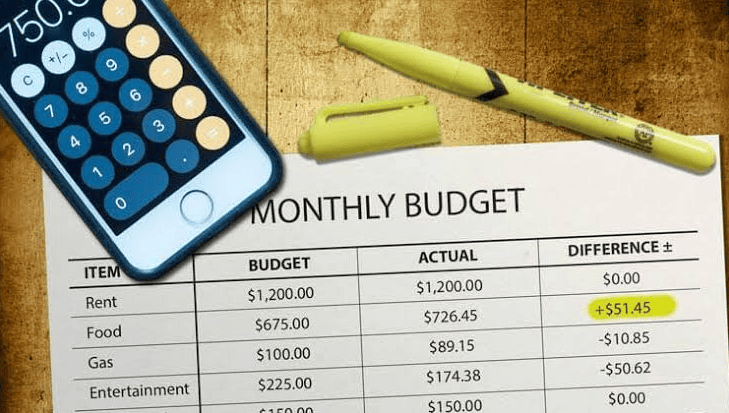
A zero-based budget means assigning every dollar of your planned income to a specific purpose.
This does not mean you need to spend every dollar. Savings, emergency funds, and debt payments are also categories that can receive money.
For example, if your monthly take-home income is $1,700, you could create a plan like this:
| Category | Budget | Percentage |
|---|---|---|
| Housing | $650 | 38.2% |
| Groceries | $250 | 14.7% |
| Utilities | $120 | 7.1% |
| Transportation | $150 | 8.8% |
| Phone & Internet | $60 | 3.5% |
| Debt Payments | $150 | 8.8% |
| Personal & Household | $80 | 4.7% |
| Emergency Savings | $75 | 4.4% |
| Flexible Spending | $100 | 5.9% |
| Miscellaneous Buffer | $65 | 3.8% |
| Total | $1,700 | 100% |
This is only an example. Your actual percentages should depend on your income, location, household size, and financial obligations.
Step 5: Prioritize Your Needs
When money is tight, prioritize expenses rather than trying to make every category equal.
A useful order is:
Housing → Food → Utilities → Transportation → Healthcare → Minimum debt payments → Savings → Optional spending
This order can change depending on your circumstances, but the principle is simple: protect the expenses that keep you housed, fed, healthy, and able to earn income.
Do not feel pressured to save 20% if your current situation does not allow it. Even a small emergency contribution can help create a buffer over time.
Step 6: Reduce the Biggest Expenses First
One of the biggest mistakes people make when budgeting on a low income is focusing only on tiny expenses.
Saving a few dollars on coffee can help, but reducing a major recurring expense can have a much larger effect.
Look at:
- Housing costs
- Car payments
- Insurance
- Transportation
- Debt interest
- Phone plans
- Recurring subscriptions
- Grocery spending
For example, reducing a recurring bill by $50 per month saves $600 over a year. The goal is not to eliminate every enjoyable expense. It is to find expenses that provide little value compared with what they cost.
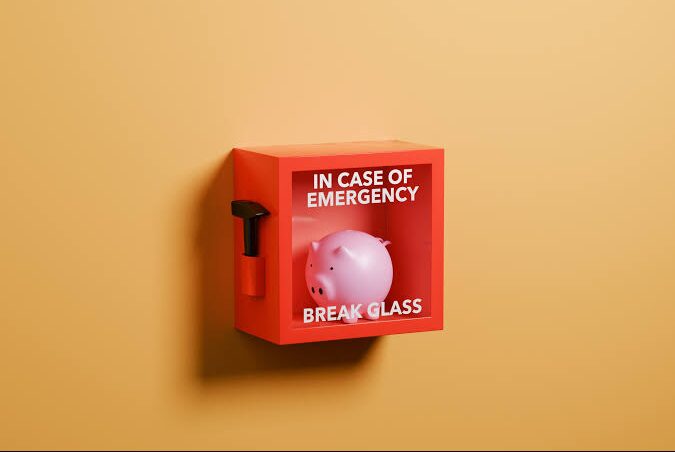
Step 7: Build a Small Emergency Fund
Unexpected expenses are one of the biggest reasons a tight budget can collapse.
A car repair, medical expense, broken appliance, or temporary reduction in income can quickly create debt when there is no cash reserve.
Start small if necessary.
Your first goal could be $100, then $250, then $500. As your financial situation improves, you can work toward a larger emergency fund.
The important thing is consistency. Even $10 or $20 saved regularly is progress.
Step 8: Give Yourself Some Flexible Money
A budget that allows absolutely no spending on things you enjoy may become difficult to maintain.
If possible, create a small category for entertainment, hobbies, eating out, or personal purchases.
The amount does not need to be large. Even $20 or $30 can give you some flexibility without destroying your overall plan.
A realistic budget is more useful than an extremely strict budget that you abandon after two weeks.
Step 9: Review Your Budget Every Week
You do not have to rebuild your budget every day.
Instead, spend 10–15 minutes each week checking:
- How much money have I spent?
- Which categories are getting close to their limits?
- Are all upcoming bills covered?
- Did an unexpected expense occur?
- Do I need to adjust another category?
Your first budget will probably not be perfect. That is normal. A good budget improves as you learn more about your actual spending.
What If Your Income Is Not Enough?
Sometimes the problem is not poor budgeting.
If your essential expenses are consistently greater than your income, there may simply not be enough money to cover everything. No budgeting technique can completely eliminate a mathematical shortfall.
In that situation, focus on two areas: reducing major fixed costs and increasing reliable income.
You might consider negotiating bills, changing transportation arrangements, looking for lower-cost housing, taking additional hours, developing a side income, or checking whether you qualify for relevant assistance.
The objective is to close the gap without relying continuously on credit cards, payday loans, or other expensive borrowing.
Common Budgeting Mistakes to Avoid
Avoid these common mistakes when creating a low-income budget:
- Budgeting based on your best month
- Forgetting irregular expenses
- Ignoring small purchases
- Setting unrealistic spending limits
- Forgetting annual bills
- Having no emergency buffer
- Using credit to cover recurring shortages
- Giving up after one bad month
A budget is a tool, not a test. If you overspend in one category, adjust the plan and continue.
Frequently Asked Questions
How much should I save each month on a low income?
There is no universal amount. Start with an amount you can consistently afford, even if it is only $10, $20, or $25 per month. Once your income improves or expenses decrease, increase the amount.
Does the 50/30/20 rule work on a low income?
It can be a useful starting point, but it may not be realistic when essential expenses consume most of your income. A customized budget based on your actual circumstances is often more practical.
How can I budget if my income changes every month?
Use a conservative income estimate, preferably based on your lower recent earnings. When you earn more than expected, direct the extra money toward savings, upcoming expenses, or debt rather than immediately increasing spending.
What should I cut first when money is tight?
Start with unnecessary recurring expenses and large flexible costs. Review subscriptions, eating out, transportation, insurance, phone plans, and other expenses before focusing exclusively on very small purchases.
Can I save money while paying off debt?
Yes. Consider maintaining a small emergency buffer while making required debt payments. Once you have some basic savings, you can direct additional money toward high-cost debt.
Final Thoughts
Learning how to create a realistic monthly budget on a low income is less about following a perfect formula and more about understanding your actual financial situation.
Start with your real take-home income. List your essential expenses, track your spending, prioritize necessities, reduce major costs where possible, and create even a small emergency fund. Most importantly, leave some room for real life.
Your first budget does not need to be perfect. It simply needs to be realistic enough that you can follow it, review it, and improve it month after month.
What would you like next: a 1,500-word version, an SEO-optimized version with meta title/description, or a budget template?