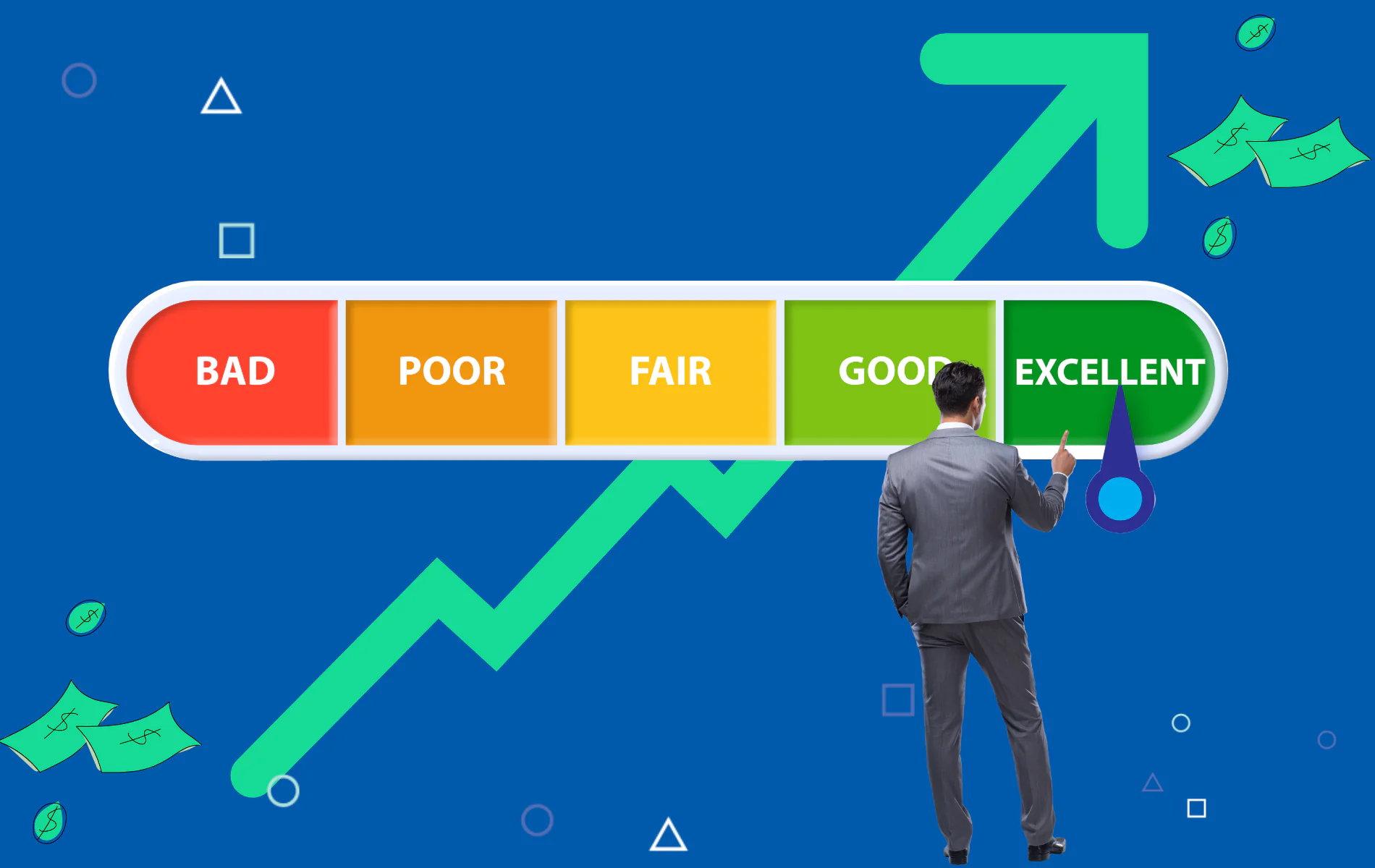
Your credit score is one of the most important factors in your financial life. It influences your ability to get loans, credit cards, favorable interest rates, and even rental applications. A low credit score can limit opportunities, while a good score opens doors. The good news is that with consistent effort and smart strategies, you can improve your credit score quickly and safely.
Understanding Credit Scores
A credit score is a numerical representation of your creditworthiness, typically ranging from 300 to 850. Lenders use this score to evaluate your risk as a borrower. Factors that affect your score include:
-
Payment history (35%)
-
Credit utilization ratio (30%)
-
Length of credit history (15%)
-
Types of credit accounts (10%)
-
Recent credit inquiries (10%)
Understanding these factors helps you focus on strategies that have the most impact.
Top Ways to Improve Your Credit Score Quickly and Safely
| Strategy | How It Works | Benefits |
|---|---|---|
| Pay Bills on Time | Always pay at least the minimum by the due date | Improves payment history, the most important factor |
| Reduce Credit Card Balances | Keep utilization below 30% of your limit | Shows responsible credit usage |
| Avoid New Hard Inquiries | Limit applying for multiple new accounts | Prevents score dips from new credit checks |
| Request Higher Credit Limits | Increase credit line without increasing spending | Lowers credit utilization ratio |
| Correct Errors on Credit Report | Dispute inaccuracies with credit bureaus | Removes negative items that don’t belong |
| Keep Old Accounts Open | Maintain older credit accounts active | Increases average account age |
| Diversify Credit Types | Use a mix of credit cards, loans, or retail accounts | Boosts credit mix factor |
1. Pay Bills on Time
Payment history has the biggest impact on your credit score. Even a single late payment can lower your score significantly. Automating payments or setting reminders ensures you never miss a due date.
2. Reduce Credit Card Balances
High balances relative to your credit limit negatively affect your credit utilization ratio. Aim to keep balances below 30% of your total credit limit. Paying off high-interest cards first can also save money while improving your score.
3. Avoid New Hard Inquiries
Every time you apply for new credit, a hard inquiry is added to your report, which can temporarily lower your score. Only apply for credit when necessary and space applications apart.
4. Request Higher Credit Limits
By increasing your credit limits without increasing spending, your credit utilization ratio decreases, which positively impacts your score.
5. Correct Errors on Credit Reports
Check your credit reports regularly from the three major credit bureaus (Equifax, Experian, TransUnion). Dispute inaccuracies like wrong balances, accounts you didn’t open, or incorrectly reported late payments.
6. Keep Old Accounts Open
The length of your credit history matters. Keeping older accounts open, even if you use them infrequently, helps maintain a higher average account age.
7. Diversify Your Credit Types
Having a mix of credit types—such as credit cards, installment loans, or retail accounts—can boost your credit score over time. This demonstrates your ability to manage different types of credit responsibly.
Quick Tips for Faster Improvement
-
Pay off small debts in full to quickly improve utilization
-
Ask creditors to remove late payments (some may grant goodwill adjustments)
-
Make multiple small payments per month to keep balances low
-
Use a secured credit card if your credit is very low
Common Mistakes to Avoid
-
Closing old credit cards to reduce available credit
-
Ignoring credit reports with errors
-
Maxing out credit cards repeatedly
-
Applying for too many new credit accounts at once
-
Missing minimum payments
FAQs
Q1: How quickly can I see improvement in my credit score?
Some changes, like reducing credit card balances or correcting errors, can show results within a few weeks to a couple of months. Larger improvements take longer.
Q2: Does paying off a loan early help my score?
Paying off loans can help your debt-to-credit ratio, but closing accounts too early may reduce your average account age. Balance carefully.
Q3: Are secured credit cards helpful for rebuilding credit?
Yes. They allow you to build positive payment history safely if used responsibly.
Q4: Will checking my own credit report lower my score?
No. Checking your own credit report is considered a soft inquiry and does not affect your score.
Q5: Can I remove negative marks from my credit report?
Only inaccurate or fraudulent items can be removed. Otherwise, negative marks typically stay for 7–10 years but their impact decreases over time.
Conclusion
Improving your credit score quickly and safely requires consistent effort and strategic actions. By paying bills on time, reducing credit utilization, avoiding unnecessary credit inquiries, and correcting errors, you can steadily increase your score. Combining these methods with a long-term approach, such as keeping old accounts and maintaining a good credit mix, ensures your credit health improves both quickly and sustainably.
A strong credit score opens doors to better interest rates, more financial opportunities, and greater peace of mind. Start today with small steps, and watch your credit grow responsibly over time.