Copenhagen Infrastructure Partners has launched a private credit fund targeting $1 billion, with its first investment financing a thermal energy storage project at a Kansas biorefinery. The Credit Opportunities Fund completed an initial seed close before its November 16 announcement, backed by anchor investors and a commitment from CIP. The manager did not disclose the amount raised at that close or the size of its investment in Kansas.
For family offices evaluating energy infrastructure, the fund offers a case study in how private capital can finance projects with substantial engineering and construction requirements. Its mandate allows several forms of financing, with different positions in a project’s capital structure.
A Broader Credit Mandate
CIP’s existing Green Credit Fund strategy primarily supplies senior secured debt to renewable power and storage companies. The new vehicle focuses on opportunities in OECD markets that require more specialized financing and assessment of technical, construction and operating risks. Its sectors include electricity and grid infrastructure, low-carbon fuels, carbon management and the circular economy.
The fund’s strategy page describes a range of instruments: senior and subordinated debt, preferred equity, convertible securities and bridge financing. Its geographic focus includes Europe and North America, while potential investments extend to energy efficiency, biomethane, recycling and water management.
Those distinctions matter when comparing infrastructure-credit allocations. A lender with senior security has a different claim on an investment’s assets and cash flows from a provider of subordinated debt or preferred equity. The fund’s name alone does not establish the protection, liquidity or risk of an individual investment.
The First Project: Industrial Heat in Kansas
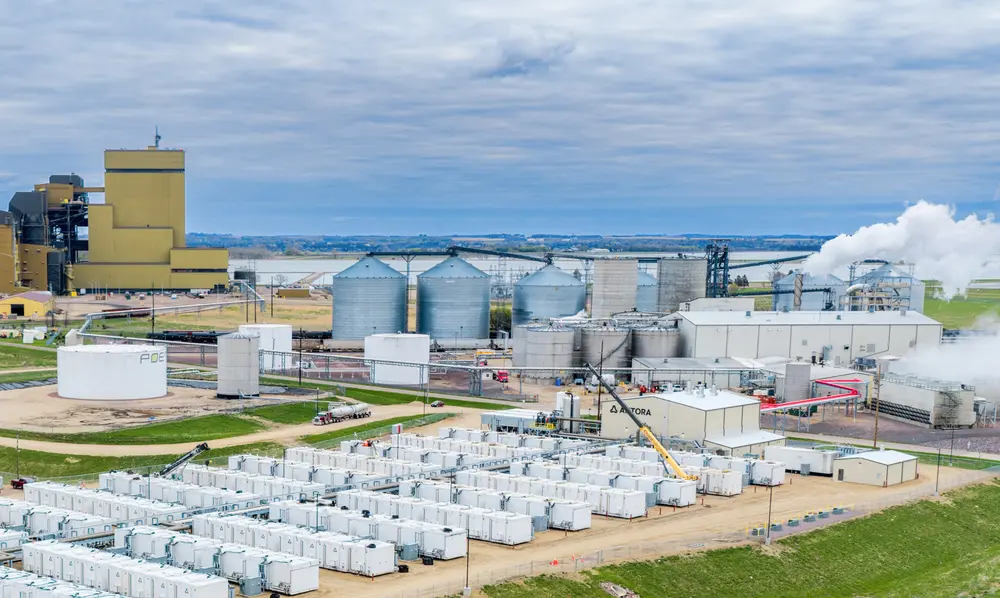
The first financing supports a planned 5.8-gigawatt-hour thermal battery at Pratt Energy’s biorefinery in Pratt, Kansas. Antora Energy announced the project on October 1, identifying CIP as the lead investor in its third-party equity financing, alongside Grok Ventures and University Pension Plan Ontario. The announcement places the investment within CIP’s credit platform.
Pratt Energy says the installation will sit north of its existing plant and supply steam for ethanol production. The system stores electricity as heat in solid carbon blocks, then delivers that heat when the refinery needs it. It is a thermal-storage system rather than a lithium-ion battery installation.
Antora expects to begin supplying energy in 2027 under a long-term heat offtake agreement. The facility is therefore a development project, not an operating asset already generating the anticipated energy supply.