
Key Takeaways
- List your daily driving, passenger, and cargo needs before choosing a vehicle.
- Match the vehicle type to your commute, family size, work, and lifestyle.
- Consider Orlando traffic, heavy rain, visibility, and climate-control needs.
- Compare sedans, SUVs, trucks, and minivans based on practical use.
- Choose a powertrain that fits your mileage, fuel budget, and access to charging.
- Prioritize useful safety features and reliable tires.
- Calculate insurance, fuel, maintenance, and other ownership costs.
- Test drive carefully to check comfort, handling, visibility, and available space.
Choosing a vehicle in Orlando means thinking beyond color, horsepower, or a short test drive around the block. Central Florida drivers often balance busy commuter routes, afternoon rain, family activities, weekend highway trips, and intense heat. Whether you are comparing a practical sedan, a family-focused SUV, or a work-ready truck from a Ram Orlando dealer, the best choice starts with an honest look at how you will use it every day.
A vehicle should support your routine rather than create new frustrations. The right fit can make parking easier near downtown Orlando, keep passengers comfortable on trips toward the coast, carry sports gear or work supplies, and help you manage ongoing costs with fewer surprises.
Table of Contents
- Why Driving Needs Come First
- Match the Vehicle to Daily Life
- Account for Orlando Roads and Florida Weather
- Compare Common Vehicle Types
- Choose a Fuel Type and Powertrain
- Focus on Useful Safety Features
- Estimate the Full Cost of Ownership
- Use a Smart Test-Drive Checklist
- Common Questions
Why Driving Needs Come First
Before narrowing the search, write down your three most important needs. They may be low on fuel for a long commute, have room for three children, have towing capability for a trailer, offer easy entry for an older family member, or provide cargo space for a small business. This list keeps the shopping process grounded when a vehicle has attractive features that may not matter after purchase.
Also consider where the vehicle spends most of its time. A compact vehicle can be easier to park at apartments, shopping centers, and offices. A larger vehicle can be worthwhile when its extra seats, bed space, or towing capacity are used regularly. Drivers looking at Central Florida inventory can compare new cars for sale Tampa using the same practical checklist, rather than judging a vehicle only by its first impression.
Match the Vehicle to Daily Life
Different routines call for different strengths. Focus on the features that solve real problems in your household or workday.
- Daily commuters: Look for supportive seats, manageable exterior dimensions, good outward visibility, quiet highway manners, and an efficient powertrain.
- Families: Check rear-seat access, car-seat placement, air-conditioning coverage, cupholders, storage areas, and cargo room with all seats in use.
- Outdoor enthusiasts: Consider ground clearance, durable interior materials, roof-rack capability, and enough space for coolers, folding chairs, or equipment.
- Small-business owners: Prioritize usable cargo dimensions, payload needs, rear access, towing requirements, and easy-to-clean materials.
- Retirees: Pay close attention to step-in height, seat comfort, simple controls, clear displays, and parking assistance features.
Account for Orlando Roads and Florida Weather
Florida weather makes visibility, tire condition, braking confidence, and effective climate control especially important. Heavy rain can arrive quickly, while bright sun and wet pavement can create glare. A clear windshield, responsive wipers, working defogging controls, and a backup camera that remains easy to see in daylight all improve everyday usability.
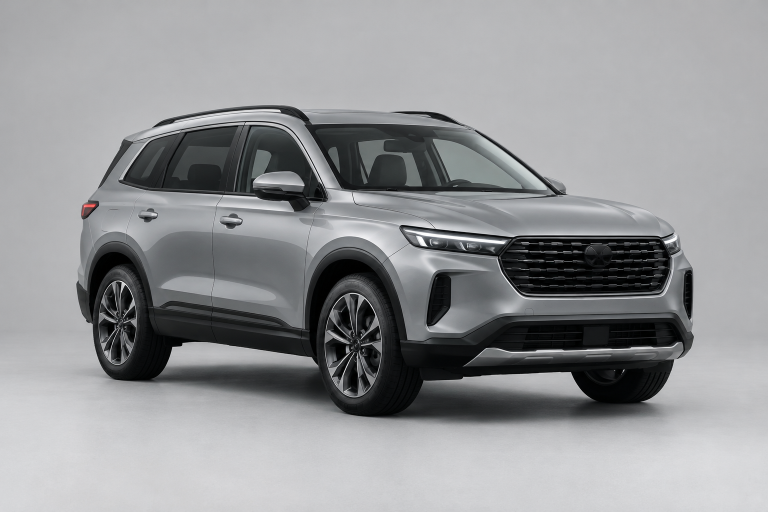
Florida’s road-safety priorities include safer vehicles, safer speeds, and reducing serious injuries for everyone using the transportation system. The Florida Strategic Highway Safety Plan underscores why shoppers should give safety equipment and reliable handling the same attention as they give to convenience features.
All-wheel drive can improve traction in certain situations, but it does not replace careful driving or quality tires. For most Orlando drivers, tires with adequate tread, proper inflation, and sensible speed during rain matter more than choosing a drivetrain simply because it sounds more capable.
Compare Common Vehicle Types
- Sedan: A strong option for commuters who value easy handling, straightforward parking, and a lower profile. The trade-off is usually less cargo height and fewer seating configurations.
- Compact SUV: Useful for drivers who want a higher seating position and flexible cargo space without moving into a very large vehicle. It may cost more to purchase and operate than a smaller car.
- Three-row SUV: Makes sense for larger households or frequent passenger trips. Confirm that the third row is comfortable for the people who will actually use it.
- Pickup truck: Best suited to recurring hauling, towing, job-site travel, and home projects. It may be less convenient for tight parking or commuting when its capabilities are rarely used.
- Minivan: Offers practical family access, sliding doors, and adaptable interior space. It is often worth considering when passenger comfort and easy loading are the top goals.
Choose a Fuel Type and Powertrain
Gasoline vehicles remain familiar and simple for many drivers. Hybrids can be appealing for frequent stop-and-go travel because they use both an engine and an electric motor. Plug-in hybrids add the ability to charge for some electric driving, while fully electric vehicles require a realistic plan for home or public charging.
Compare estimated energy costs based on your own yearly mileage instead of focusing only on the purchase price. The federal fuel-economy comparison tools can help shoppers compare official ratings and operating estimates across vehicle types. For an electric vehicle, consider charging access at home, workplace charging opportunities, and the length of your typical longer trips.
Focus on Useful Safety Features
Driver-assistance systems can support attentive driving, but they are not substitutes for it. Prioritize features that address common daily situations:
- Automatic emergency braking
- Blind-spot monitoring
- Rear cross-traffic alert
- Lane-departure warning or lane-keeping assistance
- Adaptive cruise control for regular highway travel
- Rear or surround-view cameras for parking
- Clear headlights and effective windshield defogging
During a test drive, ask how alerts sound, where warnings appear, and whether controls feel intuitive. A feature has less value if it is distracting or difficult to use.
Estimate the Full Cost of Ownership
- Set a realistic purchase price or monthly-payment ceiling.
- Request insurance estimates before making a final decision.
- Calculate expected fuel or charging costs for your annual mileage.
- Review tire, brake, oil, battery, and scheduled maintenance needs.
- Include registration, taxes, accessories, and emergency repair savings.
- Think about resale value and how long the vehicle will remain in the household.
The lowest sticker price is not always the lowest long-term cost. A more efficient vehicle may reduce operating expenses over time, while a larger vehicle can provide better value when its additional space or capability is used often.
Use a Smart Test-Drive Checklist
- Enter and exit every seat that regular passengers will use.
- Adjust the driver’s seat, steering wheel, mirrors, and display before driving.
- Check sightlines at intersections and while changing lanes.
- Listen for road noise and evaluate ride comfort.
- Test ease of acceleration, braking, turning, and parking.
- Run the air conditioning while stopped.
- Bring a child seat, suitcase, work tool, or other item that must fit.
- Ask for the full out-the-door price and included equipment in writing.
Common Questions About Choosing a Vehicle
Should Orlando Drivers Choose an SUV?
Not automatically. An SUV can offer useful cargo space and a higher seating position, but a sedan may be a better match for long commutes, tight parking, or lower operating costs.
Is All-Wheel Drive Necessary in Florida?
It depends on the driver’s routine, but it is not necessary for every household. Careful driving, good tires, safe following distances, and clear visibility remain essential during heavy rain.
Are Hybrid Vehicles Good for Commuting?
They can be a practical choice for drivers who spend significant time in city traffic. Compare the price difference, expected mileage, and planned ownership period before deciding.
What Should Families Check First?
Start with seating comfort, car seat access, cargo space, climate control, and the safety features your family will genuinely use. A vehicle can look spacious until passengers and everyday gear are inside.
Final Thoughts
The right vehicle for Orlando life is the one that makes daily travel safer, easier, and more comfortable. Build your search around real roads, real passengers, real weather, and a realistic budget. With a clear needs list, a full cost estimate, and a careful test drive, you can choose a vehicle that remains a good fit long after the excitement of shopping fades.
photo by depositphotos