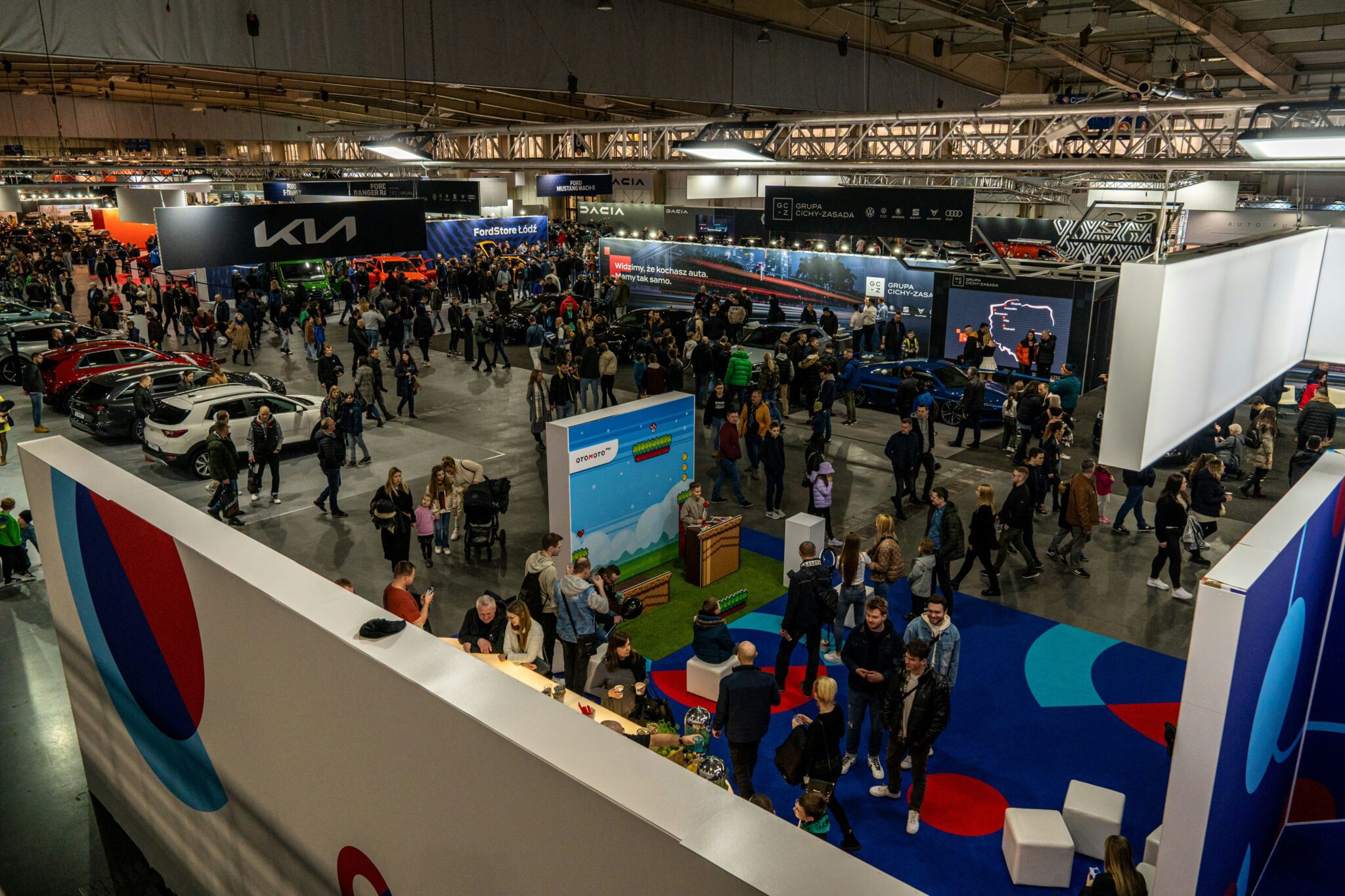
Event execution turns a brand promise into something guests can see, hear, and experience. A polished campaign can quickly lose credibility when registration stalls, signage points the wrong way, or an exhibit remains unfinished as attendees arrive. These details may look operational on a planning sheet, but visitors read them as evidence of how your organization works. Protecting brand perception requires close attention to every physical and human touchpoint, from the first welcome through the final conversation.
First Impressions Cannot Be Staged
Guests begin assessing an event before the main program starts. They notice how quickly staff acknowledge them, whether instructions are clear, and how confidently the team handles basic questions. Guidance on event first impressions highlights how staff behavior sets the tone from the outset.
Visual presentation carries similar weight. Crooked graphics, visible packing materials, or cluttered counters can suggest a lack of care. This principle applies well beyond events, as shown by the connection between presentation and perceived value in jewelry packaging.
Walk through the guest arrival route before opening. View the entrance, check-in area, and primary display from an attendee’s perspective, then correct anything confusing or unfinished.
The Hidden Vulnerability in Setup
Setup is often treated as a backstage task, yet it shapes everything that follows. A late delivery can delay electrical work, which can hold up screen testing and staff rehearsals. When several suppliers work in the same space, one unclear responsibility can create a chain of missed deadlines.
Assign one person to own the master schedule and record who approves each milestone. For larger trade shows, professional installation and dismantling support can coordinate booth assembly, structures, graphics, electrical work and show deadlines.
Build checkpoints into the schedule instead of relying on one final inspection. Confirm the structure first, test power and audiovisual equipment next, then review graphics and finishes. Photograph the completed setup against the approved plan so teams can resolve differences before visitors enter.
Mastering On-Site Floor Realities
Event plans meet practical constraints on the floor. Loading access may change, internet performance may drop and neighboring displays can affect sightlines. Experienced teams leave enough time to respond without allowing small disruptions to become visible signs of confusion.
The secrets of event execution include careful coordination across suppliers and event teams. Put that principle into practice with a short opening briefing. Confirm decision-makers, emergency contacts, delivery status and the process for reporting a problem.
Keep a compact floor kit with approved fasteners, cleaning supplies, extension cords, printed schedules and spare name badges. Staff should also know where to direct technical questions. A prompt handoff looks organized, while guessing or sending a guest between several people damages confidence.
Establish Uncompromising Standards
Clear standards remove subjective judgments during a busy event. Define what “ready” means in observable terms: all screens display approved content, cables remain secured, counters stay clear and every guest-facing team member knows the day’s schedule. Set inspection times before opening and during quieter periods.
Give staff permission to report problems early without assigning blame. A loose graphic at 8:00 a.m. is a quick repair. The same issue during a leadership presentation becomes a visible brand failure. Record recurring problems after each event and assign an owner and deadline for every correction.
Your final check should happen from the attendee’s side of the experience. Stand at the entrance, follow the signs and approach the display as a first-time visitor would. If the experience feels clear, prepared and consistent at that moment, the execution is supporting the reputation you worked to build.