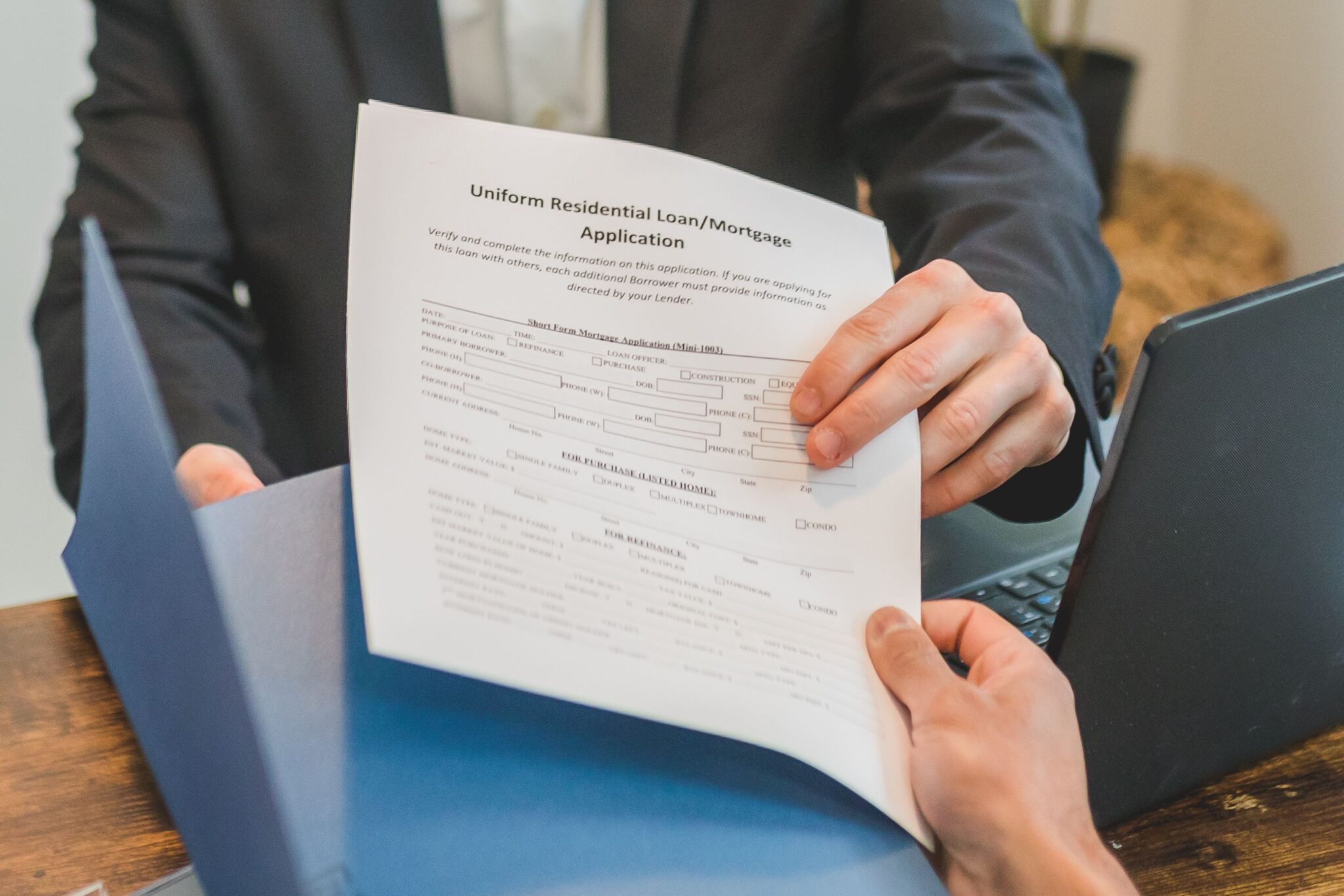
Getting ready for a mortgage loan originator license involves several records that must agree with one another. Education and testing each have their own requirements. The application also asks for information that a course completion certificate cannot supply.
The education addressed by PA MLO licensing courses is one part of that preparation. Read the course description beside the application requirements, so you know what the training covers and what you’ll still need to arrange yourself.
Start with the type of work you intend to perform. This discussion concerns the state licensing route. Don’t assume that the requirements for a role at a federally regulated depository institution follow exactly the same process. Confirm the appropriate path before you build your checklist.
Identify the Application Route
The Pennsylvania regulator explains that mortgage applicants use NMLS to apply for and manage licenses. That system holds your licensing record, but the state regulator makes the licensing decision. An account number alone doesn’t establish that you’re approved to work.
For a 2026 application, work from the current instructions for the individual originator license. A company license covers a different applicant. Read the instructions for your role before collecting documents or paying for a requirement that belongs to another category.
Complete the Appropriate Education
The course package combines a 20-hour national course with three hours of Pennsylvania mortgage law. It also provides exam preparation. Check how that combination fits your education history before enrolling.
If you’ve completed approved education previously, confirm which hours remain applicable. Keep the course names and completion dates together. The advertised length of a package tells you what it contains, while the regulator’s requirements determine what your application must satisfy.
Check the approval information for the actual course you’ll take. A general mortgage seminar can be useful without satisfying a licensing education requirement. Confirm the national component and the applicable state-law component separately. If an education record looks incomplete, ask which course or reporting issue needs attention before paying to repeat material. Keep the answer so you can follow through on the correction.
Pass the National Test
The SAFE mortgage test is separate from the quizzes or final assessment inside a course. A course result records how you completed that training. The licensing examination has its own registration and scheduling process.
Use practice questions to identify weaknesses before selecting an exam date. Review explanations when you miss a question and try a different example of the same concept. Familiarity with one practice set doesn’t establish that you can apply the rule when the facts change.
Prepare Your Personal Information
The licensing review includes criminal background information and a credit report. Applicants also provide personal history and disclosures. Read each question carefully and respond to what it asks rather than assuming a previous answer covers every situation.
Gather supporting records when an explanation is required. A training provider reports education, but that service doesn’t replace your responsibility for the application. If you’re uncertain about a disclosure, consult the licensing instructions or contact the regulator before submitting an answer you haven’t checked.
Give yourself time to obtain records rather than relying on memory when dates or details are requested.
Check Employment and Application Status
Find out what sponsorship or employer association your intended license requires. Discuss the process with the company involved and confirm who completes each step. A job offer and an active license record are different things.
Monitor your application for requests for more information. Respond through the stated process and keep copies of what you submit. Don’t treat a submitted application as permission to originate. Check the actual license status and any conditions before taking on work that requires authorization.
Keep the Process Organized
Keep a simple record of completed education, your test result, and outstanding application tasks. Review it whenever a new notice arrives. That makes it easier to identify the next action without repeating work you’ve already completed.
Allow the regulator time to review the application. The training schedule doesn’t set the approval date, and another person’s timeline may not fit your circumstances. A clear record of what’s complete and what remains pending helps you move forward with fewer avoidable gaps.