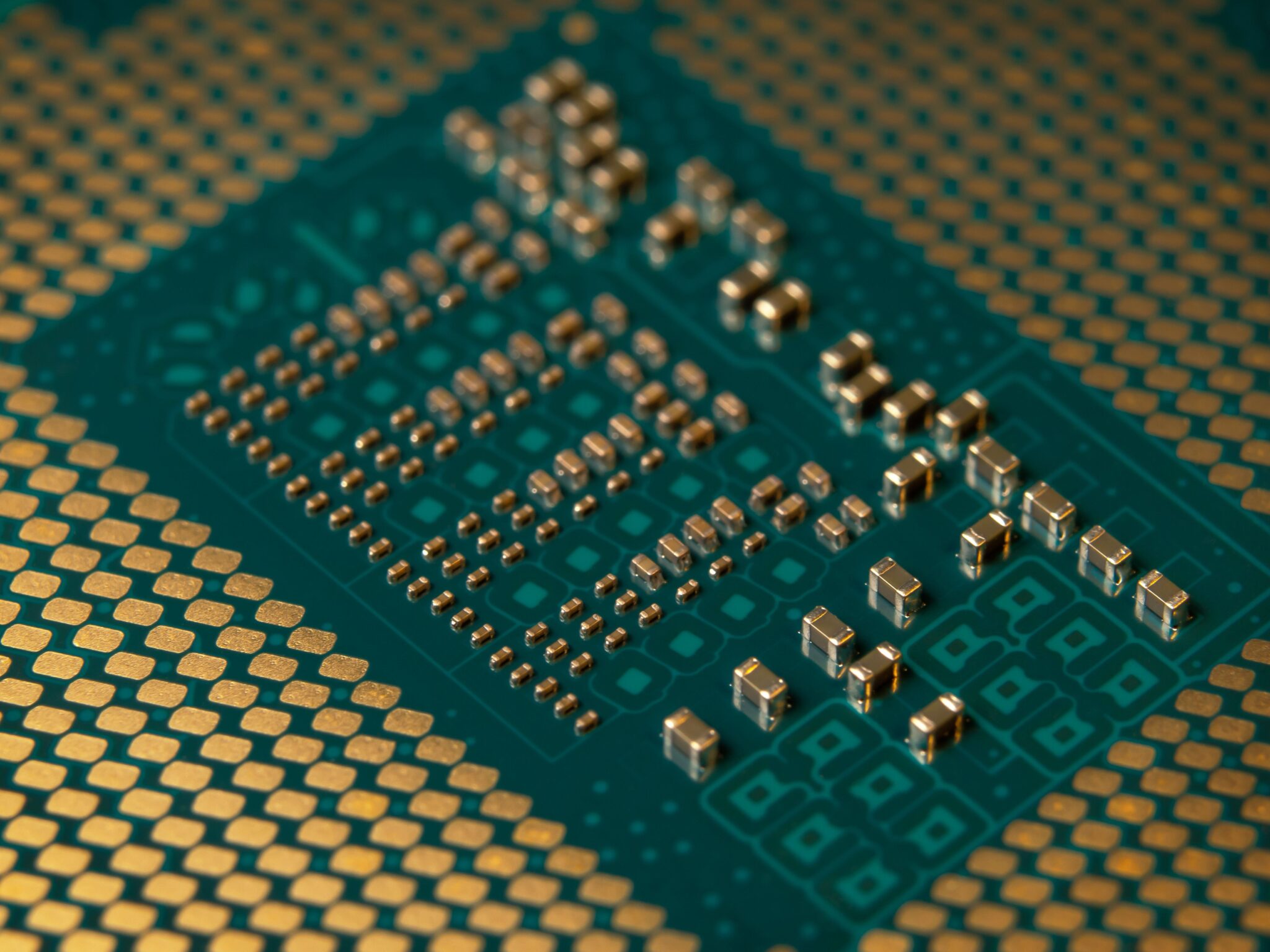
Global chip sales hit $791.7 billion in 2025, a 25.6% jump from the year before, according to the Semiconductor Industry Association. 2026 is already tracking even higher, with some forecasts putting the year near $1.5 trillion once all the numbers land.
Numbers like that don’t happen by accident. AI data centers need chips. Cars need chips. Even your coffee maker probably has one tucked inside somewhere. The money flowing through the semiconductor industry keeps getting bigger.
If you track where money moves, this sector earns a spot on your radar.
Chips Run the Whole Economy Now
Semiconductors power almost everything you touch. Your phone runs on one. Your car’s dashboard runs on several semiconductors. Hospitals, banks, and power grids all depend on chips, tucked into equipment.
That dependence used to be background noise, but not anymore. AI infrastructure spending pushed memory chip revenue up close to 250% year over year in 2026, based on industry trade data. Logic chips grew fast too, north of 37%.
The growth is spreading across the whole supply chain, from design shops to the factories that stamp out the wafers, to the smaller firms that make the sensors and connectors.
Three Themes Are Driving the Demand
Three forces explain most of the chip demand you’re seeing right now. They don’t all move together, which matters if you’re picking where to put your attention.
- AI infrastructure: Data centers need processors and high-bandwidth memory by the truckload. That demand shows no sign of leveling off through 2027. Every new model release seems to need a bigger cluster than the last one.
- Automotive: Electric vehicles and driver-assist systems both run on a growing stack of chips. Automakers keep signing new supply deals to lock in capacity years in advance.
- Connectivity: 5G rollouts, IoT sensors, and the next wave of wireless standards all need dedicated chips too. It’s a slower burn compared to the other two, but it won’t go quiet for long.
Three Companies Can’t Carry the Whole Rally
Nvidia, AMD, and TSMC grab most of the headlines. In fact, Nvidia’s data center business alone pulls in more revenue in some quarters than the entire global chip market did a few years back.
But betting everything on three giants is a crowded trade. Their valuations already price in years of good news.
One disappointing earnings call from Nvidia can drag the whole sector down for a week, even when actual chip demand hasn’t budged an inch.
So spread your attention across the sector, not just its loudest names, to pay off better over a full market cycle. It’s just how concentrated bets tend to behave when the mood shifts.
Smaller Chip Companies Move Fast, and Hard
Away from the mega-caps, a different kind of chip stock lives. Small semiconductor companies trade on news, not fundamentals, half the time.
A single contract win or product announcement can send a $2 stock up 40% in a single session, then give most of it back a week later once the excitement fades.
The thing is, most of these companies aren’t household names. They’re small enough that one real piece of news actually moves the needle, unlike a mega-cap where a single contract barely registers on the balance sheet.
They React to Headlines Instantly
These smaller names don’t carry enough trading volume to absorb news calmly. A production order, a patent approval, or a new manufacturing deal can move the price fast, often before most retail traders even open their app.
By the time the news hits your feed, the first leg of the move is usually already over. So take that into mind.
They Fall Just as Hard
Thin volume cuts both ways. When the news dries up, so does the interest. Prices slid back down about as fast as they climbed. Add in dilution risk, since many of these companies raise cash by issuing new shares. You’ve got a category that can gut an unprepared account just as fast as it builds one.
A running list of emerging semiconductor stocks shows this pattern in action. Names tied to AI infrastructure, automotive chips, or 5G connectivity keep flashing in and out of momentum, usually chasing a specific catalyst rather than a steady growth arc.
Treat This Sector With Two Different Playbooks
Long-term exposure and short-term trades aren’t the same game. Do not mix them up.
Long-Term Trading
For the long haul, a semiconductor ETF like SOXX or a handful of established names gives you a stake in the AI buildout without betting the farm on one earnings report. That’s the boring, sensible route.
Boring works, but it won’t make you rich by Friday. It also won’t wipe out a quarter of your account because one supplier missed a shipment.
Short-Term Trading
For the smaller, faster-moving names, handle that money differently. Set aside only what you can actually afford to lose. Watch for real catalysts like contract wins, production milestones, or earnings dates. Get out fast if the trade doesn’t work instead of hoping it turns around.
Chasing hype in thin stocks with no exit plan is how accounts get wrecked. That’s true no matter how good the underlying story sounds.
A Quick Gut Check Before You Put Money Down
Skip the excitement for a second and ask a few blunt questions first.
How much cash does the company actually have left? How many quarters does that cover at the current burn rate? A company with six months of runway and no product yet is a different bet than one with two years of cash and a signed contract.
Who else is holding the stock? Heavy insider ownership tends to line up incentives. Heavy hedge fund short interest tells you smart money disagrees with the story. That doesn’t mean they’re right. It’s still worth knowing before you’re in the trade.
Check the float too. A stock with a tiny float swings harder in both directions, which cuts both ways once you’re the one holding shares.
The Chip Story Isn’t Finished Yet
AI spending isn’t slowing down next quarter. Neither is the demand for chips underneath it. What changes from here is which companies actually capture that demand and which ones burn through cash trying to catch up.
Watch the smaller names for the swings. Watch the giants for direction. Whichever side of the sector you play, keep your position sizes honest.
The chip boom has room to run. It won’t reward anyone who forgets that volatility cuts in both directions.