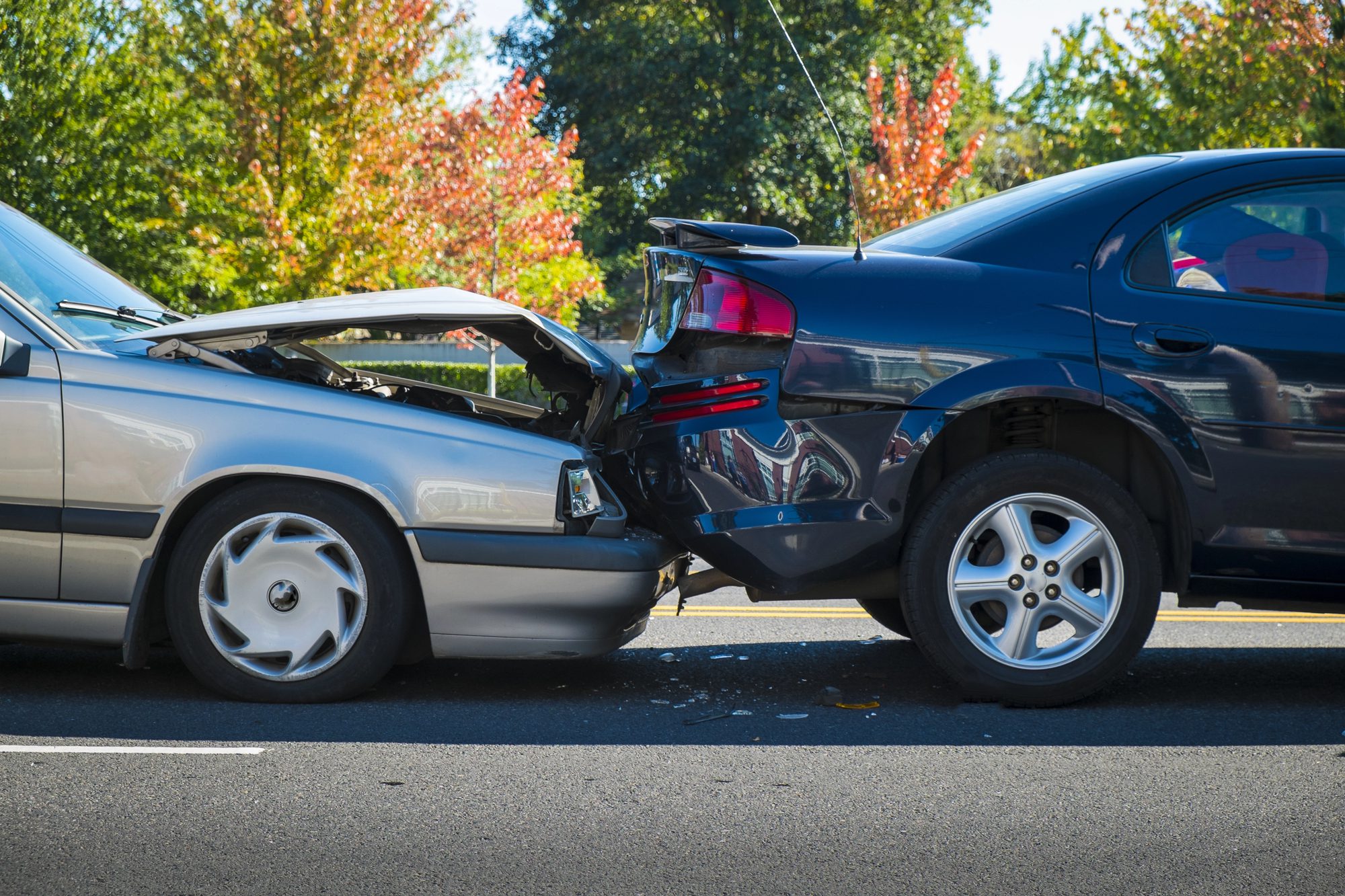
A collision that looks minor from the outside can quietly reshape someone’s finances, health, and daily life for months or years afterward. The tow truck leaves, the police report gets filed, and most people assume the damage is whatever they can see. That assumption is where the real financial exposure begins.
The Bill Keeps Growing After You Leave the Scene
The immediate costs of a crash are visible and concrete: a damaged vehicle, an ER visit, maybe a few days off work. But those numbers rarely capture the full picture. The U.S. Department of Transportation estimates the annual economic cost of crashes at $340 billion, and that figure covers far more than repair shops and hospital bills. It includes cascading losses that accumulate over weeks and months, long after the scene has been cleared.
Vehicle Depreciation and Rental Gaps
Even after a car is repaired, its market value drops. A vehicle with a collision history sells for less, and that gap between pre-accident and post-accident value is a real loss that insurance settlements frequently undercount. Rental coverage, when it exists at all, often runs out before repairs are finished, leaving drivers to cover the difference out of pocket.
Rising Insurance Premiums
A crash on your record changes your premium profile, sometimes for three to five years. The rate increase may seem modest month to month, but compounded over several years it becomes a significant expense that never appears on any itemized claim. Many drivers don’t connect the higher renewal cost to the original accident at all. It just looks like the cost of driving.
Out-of-Pocket Medical Expenses
Deductibles, co-pays, specialist visits, physical therapy, and prescription costs all add up fast. Health insurance rarely covers everything, and gaps between what a provider bills and what insurance pays land directly on the patient. For serious injuries, these costs can stretch well beyond the initial treatment window.
Injuries That Don’t Show Up Right Away
One of the most financially damaging aspects of a car accident is that the body doesn’t always report the full extent of its injuries immediately. After a crash, adrenaline and endorphins mask initial symptoms, and once those chemicals wear off, the pain begins to surface. By that point, some people have already signed paperwork or made statements that limit their options.
Whiplash and Soft Tissue Damage
Whiplash is the most common car accident injury, and symptoms often appear 12 to 72 hours after impact and can persist for months without treatment. The injury itself may be invisible on standard imaging, which makes it easy to dismiss early on. Weeks later, the neck pain, headaches, and reduced range of motion can interfere with work, sleep, and basic daily function.
Concussion and Brain Injury
Concussion symptoms can develop gradually over several days following impact. Someone who feels fine at the scene may start experiencing cognitive fog, mood changes, or sensitivity to light within a week. These symptoms are easy to chalk up to stress or fatigue, which delays diagnosis and treatment.
Internal Injuries
Some injuries take time to announce themselves. Brain injuries, internal bleeding, and certain spinal injuries may initially appear minor or go unnoticed, but worsen as bleeding continues, pressure builds, or inflammation spreads. These are the cases where delayed medical attention carries the most serious consequences, both physically and legally.
The Income Loss That Doesn’t Stop at the First Missed Paycheck
Lost wages are often treated as a simple calculation: days missed multiplied by daily rate. The actual picture is messier. For people who earn commissions, tips, bonuses, or overtime, the income loss extends well beyond a base salary. If injuries permanently affect the ability to work, there may be a claim for loss of earning capacity, which differs from immediate lost wages because it addresses long-term career impact and considers factors like reduced hours, inability to perform certain job functions, or having to take a lower-paying position.
Self-employed individuals and contractors face an additional layer of difficulty. Proving income loss requires financial records, client correspondence, and sometimes expert analysis. Without that documentation, insurers have little incentive to pay more than the minimum.
Understanding legal options after a car accident matters here because the window to preserve evidence and build a complete picture of economic harm is limited. Waiting too long to get legal guidance often means recoverable losses go undocumented and uncompensated.
The Psychological Costs Nobody Budgets For
Mental health consequences after a crash are common, underreported, and genuinely expensive. PTSD affects approximately 32.3 percent of car accident survivors, according to a study published in the Journal of Clinical Medicine. Anxiety, depression, and driving avoidance can follow even crashes that seem minor by physical standards. Most people never see it coming.
How Psychological Injuries Affect Daily Life
Someone dealing with driving anxiety after a crash may avoid highways, limit their commute, or turn down work that requires travel. These behavioral changes carry real financial consequences that rarely make it into an insurance claim. Sleep disruption, concentration problems, and emotional volatility can affect job performance even when the person returns to work on schedule.
The Cost of Treatment
Therapy, psychiatric care, and medication for crash-related mental health conditions are legitimate medical expenses. But they’re also among the most frequently overlooked items in settlement negotiations, partly because they develop gradually and partly because many people don’t connect their anxiety or depression to the accident without professional guidance.
Property Costs Beyond the Repair Estimate
The vehicle is the obvious target, but personal property inside the car is also fair game for a claim. Laptops, phones, child safety seats, and other items damaged in the crash can be included. Child safety seats, notably, are often recommended for replacement even after minor collisions regardless of visible damage, an expense that catches many parents off guard.
Diminished value is another category that insurers rarely volunteer information about. Lost workplace and household productivity accounts for $130 billion of the annual economic cost of vehicle crashes in the U.S. That number reflects not just missed workdays but the household tasks, caregiving, and personal obligations that injured people can no longer perform. Costs that fall on families and support networks in ways that are hard to quantify but very real.
Where to Start
The costs that don’t appear at the crash scene are the ones most likely to go unrecovered. Delayed injuries need prompt medical attention, not because the symptoms feel urgent in the moment, but because the documentation created by early treatment becomes the foundation of any future claim. Keeping records of every expense, every missed obligation, and every symptom change in the days and weeks after a crash gives a clearer picture of what the accident actually cost. That picture is what determines whether a settlement is fair or whether it simply closes the file.
Sources used
Every statistic in the article links to its source inline. This list repeats those sources so a link builder can place them by hand if a host strips inline links.
photo by depositphotos