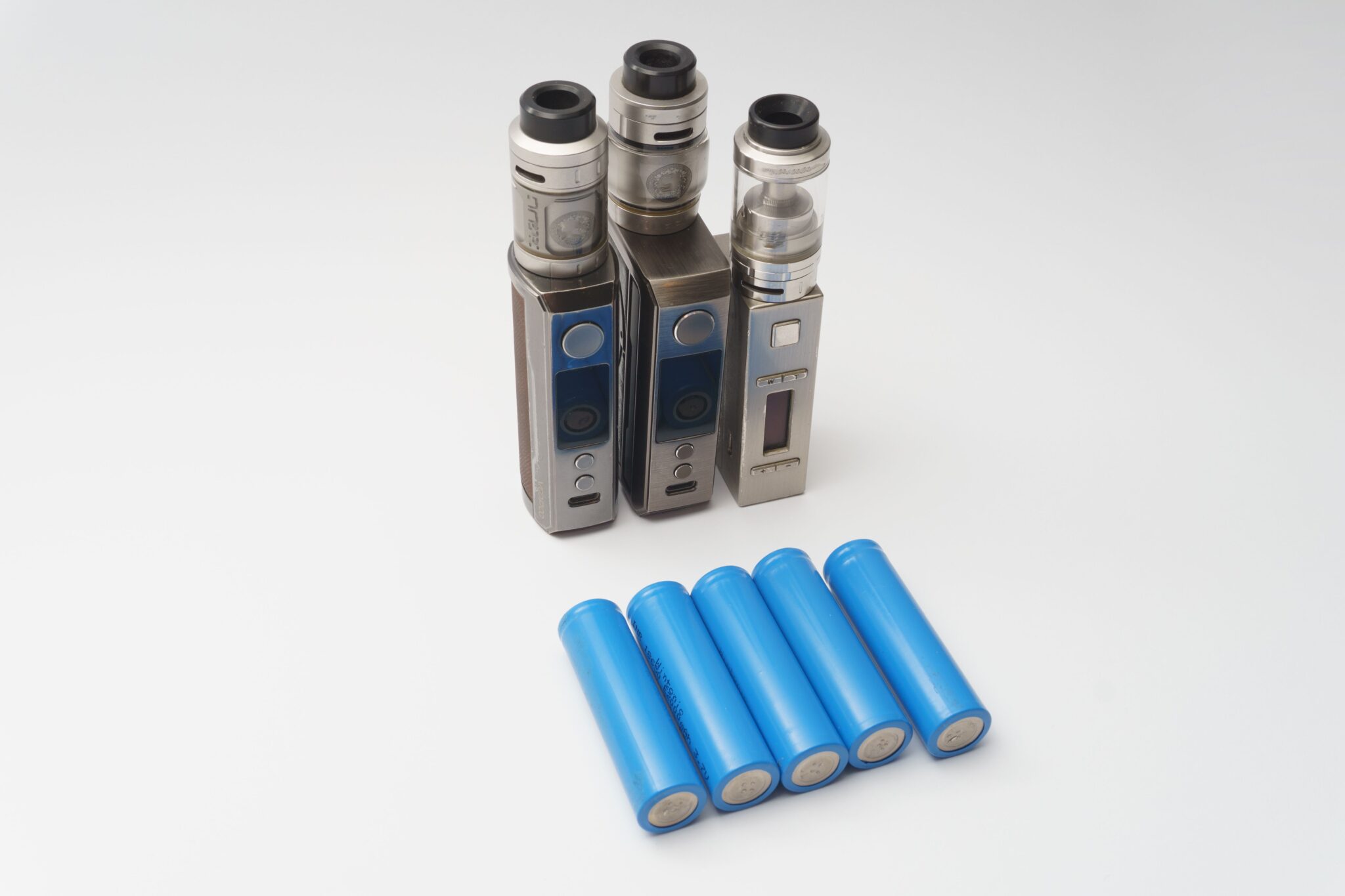
You’ve probably noticed that some vapes advertise 5,000 puffs while others promise 10,000, and the battery capacity seems to track right along with those numbers. It’s tempting to assume a bigger battery automatically means more puffs; after all, that logic holds for most battery-powered devices. But vapes don’t follow such a clean equation. The relationship between battery size and puff count is real; it’s just not the whole story. Coil resistance, wattage output, e-liquid capacity, and how you actually inhale all shape how long your device holds up. Knowing how these factors interact helps you make a smarter choice next time you shop, rather than just chasing the biggest mAh number on the box.
How Battery Size Actually Affects Puff Count
Battery size is measured in milliampere-hours (mAh), and it does matter. A device with a 650 mAh battery runs out of power faster than one rated at 1,500 mAh under identical conditions – which is why disposable vapes you can recharge tend to last longer, since they let you restore battery capacity before the e-liquid runs out, so you’re not throwing the device away prematurely. The catch is that the mAh rating only tells you how much electrical energy the battery stores, not how quickly the device burns through it. A high-powered sub-ohm device can drain a 1,000 mAh battery in a single session. A low-wattage pod system with the exact same battery could last two full days. So yes, bigger mAh is a good sign – but only when you also factor in how hungry the device actually is for power.
What mAh Really Measures in a Vape
The mAh rating on a vape battery represents electrical capacity: the amount of current the battery can deliver over one hour before it’s fully depleted. A 1,000 mAh battery can supply 1,000 milliamps for exactly one hour, or 500 milliamps for two hours. In a vape, the coil pulls a burst of current every time you inhale, and the length and intensity of that draw determine how quickly the battery loses charge. Short, gentle draws pull less current; long, hard draws pull more. Two people using the exact same device with the same battery can get dramatically different puff counts depending on how they vape, someone taking three-second draws will burn through the battery far faster than someone taking one-second draws, even if both devices start fully charged. The mAh number is a baseline measure of storage capacity, not a direct promise of any specific puff count.
Why Wattage and Coil Resistance Change Everything
Wattage is the real engine behind power consumption, and it shifts based on coil resistance. Ohm’s Law determines how much current a coil draws at a given voltage; lower resistance coils run hotter and consume far more power per puff than higher resistance ones. A 0.15-ohm coil running at 60 watts pulls significantly more energy from the battery on every draw compared to a 1.0-ohm coil running at 12 watts. This is why a 3,000 mAh mod used for cloud chasing might need a recharge after just a few hours, while an 800 mAh pod device with a tight, high-resistance coil can run for days. And if you’ve ever wondered why some cheap disposables advertise a 3,000 mAh battery but still feel like they die ahead of schedule, the culprit is almost always a power-hungry coil paired with a battery that sounds impressive but isn’t sized for the load it carries.
The Other Factors That Determine How Long a Vape Lasts
Battery capacity gets most of the attention in product descriptions, but e-liquid volume and your personal puffing habits shape your total puff count just as much. A device with a 2,000 mAh battery and a 2ml tank might run out of e-liquid long before the battery dies. Flip it around, and a device with a 6ml tank but only a 600 mAh battery might leave you with plenty of juice and nothing to power it. The puff count printed on a disposable’s box is typically calculated under lab conditions – consistent two-second draws at a moderate temperature – which rarely matches how any real person actually vapes. Real-world usage almost always delivers a lower number than the advertised count, and that gap widens if you chain-vape or tend to take longer draws than the manufacturer’s test assumed.
E-Liquid Capacity vs. Battery Capacity
Think of battery mAh and e-liquid volume as two separate fuel tanks that ideally run dry at roughly the same time. High-puff disposables have worked to balance these two resources, a device rated at 7,000 puffs typically pairs a large e-liquid reservoir with a proportionally large battery to match. But the balance isn’t always right. Some budget disposables stuff a large battery into a device with a modest e-liquid fill, so the battery outlasts the juice; others do the opposite, and you end up with a dead device that still has e-liquid inside it. When you’re evaluating any vape for longevity, check both the mAh rating and the e-liquid capacity in milliliters. The ratio between them tells you more about actual puff count than either number does on its own.
How Your Puffing Style Affects Battery Life
Draw length is one of the most overlooked variables in vape longevity. Most manufacturers calculate advertised puff counts using two-second draws as the standard. If your average draw is four seconds, you’re consuming roughly twice the energy per puff. Chain-vaping – taking multiple draws in rapid succession without giving the coil time to cool – also pulls more power because the coil stays hot and the device works harder to sustain temperature. Storage temperature matters too; a battery left in a hot car or sitting in direct sunlight loses charge faster and degrades more quickly over repeated cycles. Shorter draws, reasonable breaks between sessions, and keeping the device at room temperature all help extend its life. None of these tweaks change the battery’s mAh rating, but they change how efficiently you’re using the energy that’s already there.
Conclusion
A bigger battery gives you more raw energy to work with, and it’s a meaningful factor in how long a vape lasts. But it doesn’t tell the whole story on its own. Wattage draw, coil resistance, e-liquid capacity, and puffing habits all intersect to determine your real puff count. So does a bigger battery mean more puffs from a vape? Yes, but only when the rest of the device is built to match it. Check both the battery and the e-liquid volume, look at how the coil is spec’d, and adjust your expectations based on how you actually vape rather than what the label says.