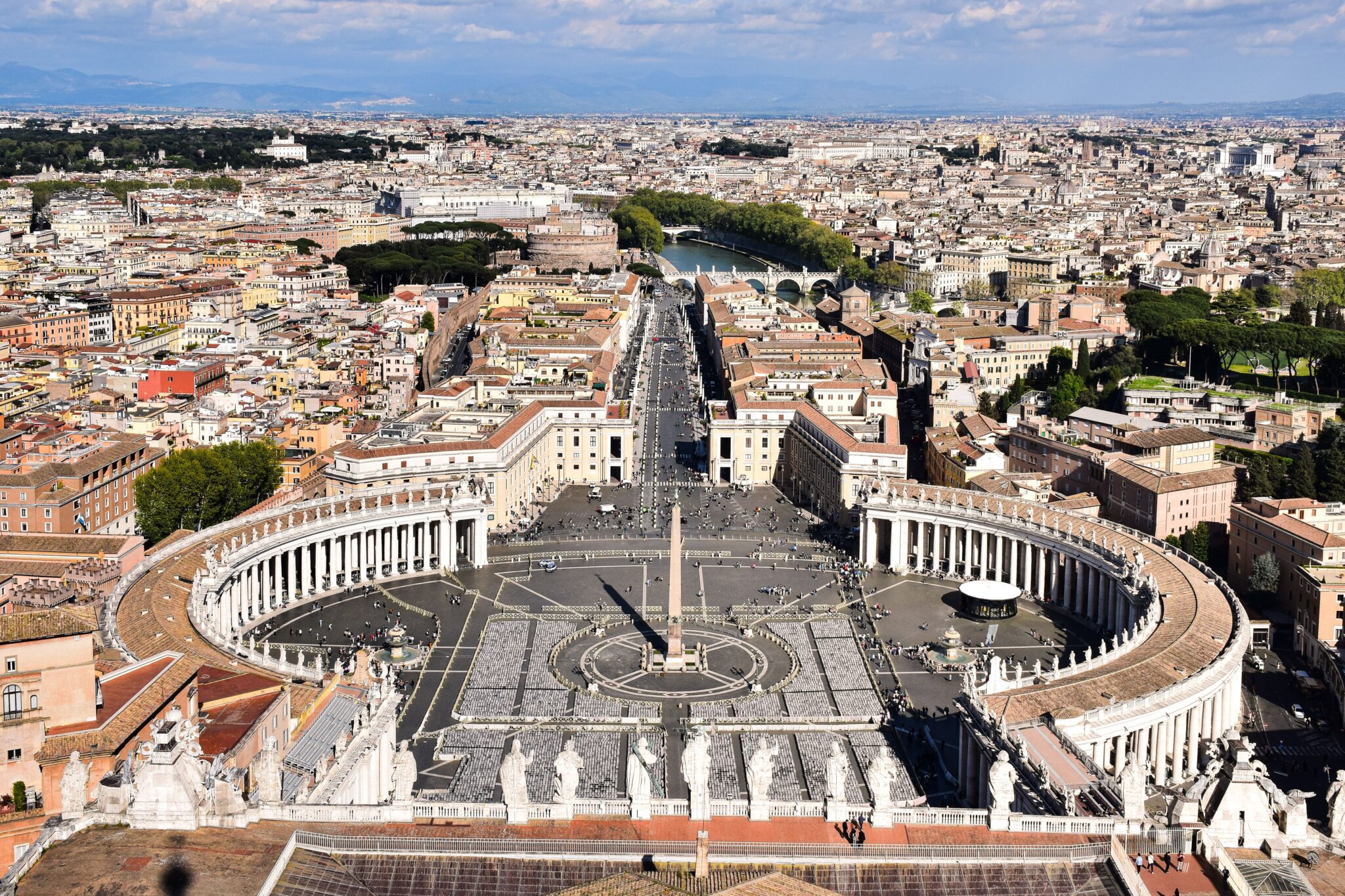
Rome rewards planning, and nowhere is that more true than beneath St. Peter’s Basilica. Most visitors to Vatican City see the basilica’s soaring interior, the dome, and maybe the museums if they’ve booked ahead. Far fewer make it underground, into the ancient necropolis where Saint Peter himself is believed to be buried. That’s not because the experience isn’t worth it. It’s because getting there takes more advance planning than almost anything else in Rome.
If you’ve heard whispers about the Vatican’s underground tour and wondered whether it’s worth the extra effort to book, the short answer is yes, but understanding why requires knowing what actually makes this experience so different from a standard basilica visit.
Why This Tour Isn’t Like Anything Else in Rome
Most of what you see in Vatican City is designed to accommodate enormous crowds. St. Peter’s Square can hold tens of thousands of people. The basilica itself welcomes a constant stream of visitors throughout the day.
The underground tour, often called the Scavi tour, is the opposite experience entirely. According to the Fabbrica di San Pietro, the official body responsible for St. Peter’s Basilica, the ancient necropolis beneath the church allows only about 250 visitors per day, moving through in small guided groups of roughly a dozen people at a time.
That single detail explains almost everything about why this tour requires planning ahead. There’s no walking up and buying a ticket at the door. There’s no last-minute add-on. Access is deliberately limited to protect what’s actually down there.
What You’re Actually Walking Through
The underground tour takes visitors through a genuine archaeological site, not a museum recreation. Beneath the basilica lies a Roman-era necropolis, a city of the dead that predates the current church by centuries, with tombs, mausoleums, and the area traditionally identified as the burial site of the Apostle Peter.
A few things make this section of the visit especially striking:
- You’re walking through original Roman-era streets and structures, not reconstructions
- The passageways are narrow, dimly lit, and genuinely ancient, giving the experience a very different feel from the grandeur above
- Guides explain the archaeological findings that led researchers to identify the traditional tomb site
- The transition from the necropolis up into the basilica itself connects centuries of history in a way that’s hard to fully grasp until you’ve walked it
It’s a very different kind of experience than the basilica’s soaring marble and gold above. Underground, it feels older, quieter, and considerably more intimate.
Why Booking Ahead Actually Matters Here
Unlike many Rome attractions where “book ahead” is more of a convenience recommendation, it’s a hard requirement for the Scavi tour. Between the daily visitor cap, the small group sizes, and the level of demand for a genuinely limited experience, spots fill up well in advance, often weeks or even months during peak travel seasons.
A few practical things worth knowing before you plan:
- Requests typically need to be submitted well ahead of your travel dates, not just a few days before
- Group sizes are intentionally kept small, which means availability is limited even outside peak season
- The tour has a minimum age requirement, so it’s not always suitable for visits with very young children
- Combining the underground tour with basilica and dome access in one booking tends to make for a smoother visit overall
This is where planning through an experienced provider makes a real difference. A well-organized Vatican underground tour booking can help coordinate timing, group logistics, and the additional basilica and dome access that often pairs with the underground portion of the visit.
Tickets&Tours is one option travelers use to navigate this process, helping simplify a booking system that can otherwise feel confusing given how limited and specific the availability actually is.
What to Know Before You Arrive
The Scavi tour is unlike a typical sightseeing stop, so a little preparation can make the experience much easier. Visitors should expect to walk through narrow underground passages with uneven surfaces and limited space, making comfortable shoes particularly important. The environment can also feel cooler and more enclosed than the areas of St. Peter’s Basilica above, so dressing appropriately is worth considering.
Because the tour takes place in an active archaeological site, visitors should follow the guide’s instructions carefully and avoid touching walls, tombs, or other historic features. Photography rules may also differ from those in other parts of Vatican City, so it’s best to confirm the current requirements when arranging your visit. Arriving with enough time to complete security and reach the meeting point can prevent unnecessary stress. Most importantly, treat the tour as a historical experience rather than simply another attraction to check off your Rome itinerary. The slower pace allows you to appreciate details that are easy to miss elsewhere.
Is It Worth the Extra Planning?
For travelers who care about history, archaeology, or simply want to see a part of Vatican City that most visitors never reach, the answer is almost always yes. The limited access that makes this tour harder to book is the same thing that makes it memorable. You’re not moving through a crowd.
You’re walking through a two-thousand-year-old burial site with a small group and a knowledgeable guide, in a space that very few people ever get to see in person. The intimate setting gives you more time to absorb the history without the distractions of a typical crowded attraction. For many visitors, that sense of discovery is what makes the additional planning worthwhile.
Conclusion
The Vatican’s underground tour isn’t difficult to book by accident. The daily visitor limits and small group sizes exist to preserve an archaeological site that’s both fragile and genuinely significant, and that same scarcity is exactly what makes the experience feel worth the extra effort.
For travelers willing to plan ahead rather than leave it to chance, the reward is a quieter, more intimate connection to Vatican history than anything available above ground. If Rome is on your itinerary and you want to see beyond the obvious highlights, this is one advance booking well worth making time for.