The growing availability of digital gaming formats is giving Filipino players another way to experience familiar games, including Bingo. While Bingo Online shares the basic number-matching concept associated with traditional Bingo, its digital presentation differs from the physical environment commonly linked with Perya Bingo.
The comparison highlights differences in setting, card handling, number presentation, game formats, and digital features. Understanding these distinctions can help players identify what remains familiar and what changes when Bingo moves from a physical Perya environment to an online platform.
Perya Bingo Has a Broader Cultural Context
Perya Bingo is traditionally associated with Filipino carnivals, fairs, fiestas, and community gatherings. In these settings, Bingo can appear alongside other carnival-style games.
Perya, however, does not refer to one standardized game. Different Perya activities can involve colors, numbers, cards, dice, balls, or other mechanics. Bingo represents one format within that broader environment.
The physical setting is also part of the traditional experience. Players may use physical cards, listen to number calls, and interact with other participants while surrounded by booths, lights, sounds, and other attractions.
Digital platforms change that environment while retaining elements of the underlying game.
Bingo Online Moves the Format to a Digital Interface
Bingo Online transfers the familiar number-matching concept to a connected device.
Instead of a physical card, players may receive an electronic card or ticket. Numbers can be displayed through the platform interface, while patterns, round information, and other game details can appear on the screen.
The exact format varies between titles.
Some online Bingo games can use automated number generation, while others may include live-hosted presentations. This means players should not assume that every digital Bingo title operates according to exactly the same rules.
Before starting, users can review the specific card structure, number range, required pattern, draw process, and round conditions.
Core Bingo Mechanics Can Remain Familiar
Despite the digital presentation, the basic Bingo concept remains recognizable.
Players receive a numbered card or ticket, follow numbers that are called or generated, and look for a required pattern or winning condition.
However, different Bingo formats can use different card layouts, number ranges, and patterns. Experience with one version therefore does not necessarily mean a player already understands every other format.
The distinction applies to both online and offline bingo games.
Reading the rules for the specific title can clarify how a particular round works and what conditions must be met.
GameZone Offers Multiple Digital Bingo Formats
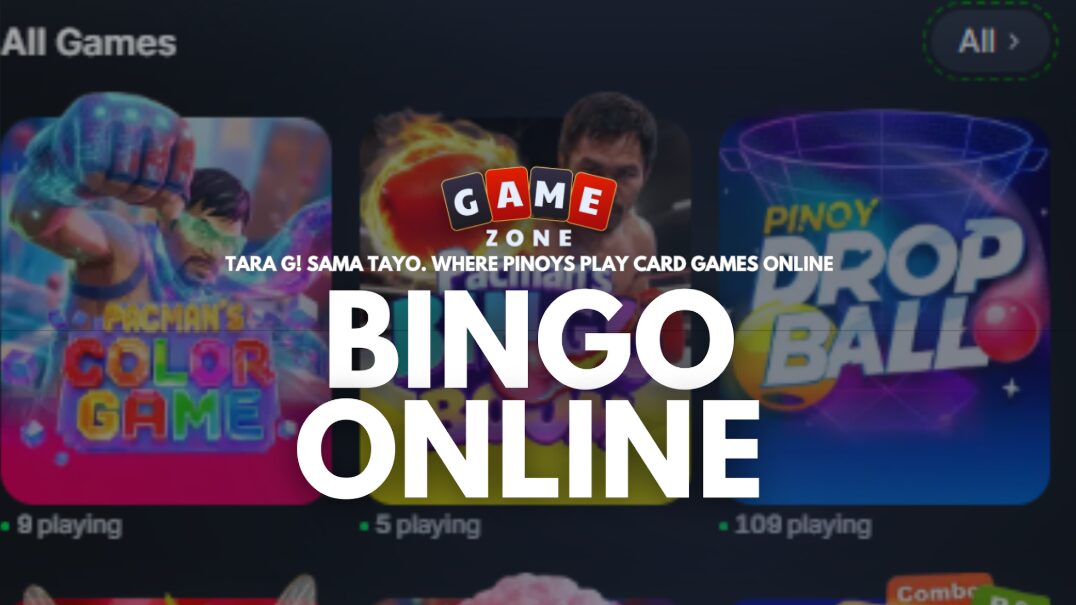
GameZone currently has a dedicated Bingo section featuring titles from providers including BingoPlus, Monte, and Aqua. Its current Peryagame material also includes Bingo alongside other Perya-style formats such as Color Game and Pinoy Drop Ball.
The selection demonstrates the difference between Bingo as a game format and Perya as a broader category of carnival-style entertainment.
A digital platform can place Bingo titles within a larger Perya-inspired collection without suggesting that every title uses identical mechanics.
Because online game libraries can change, users should refer to the current official GameZone section when checking available titles and formats.
Online and Offline Experiences Differ
The primary difference between online and offline bingo games is how the experience is delivered.
Traditional Bingo at a physical venue involves physical cards, equipment, number calls, and interaction with the surrounding environment. Online Bingo replaces those elements with a digital interface.
Cards, numbers, patterns, controls, and round information can be displayed on a computer or mobile device.
Mobile users may also need to consider screen size and readability. Numbers and patterns should be easy to see, while controls should remain accessible throughout the round. A stable internet connection can also be important for following digital gameplay.
These factors affect the user experience without changing the fundamental nature of the game.
Previous Results Do Not Provide Reliable Predictions
Bingo remains a chance-based activity, and previous results should not automatically be interpreted as indicators of future outcomes when a game uses random number generation.
A number that has appeared repeatedly is not automatically less likely to appear in the next round. Similarly, a number that has not appeared recently is not automatically more likely to appear.
Players can instead treat each round as a separate event and avoid relying on patterns from previous results as prediction methods.
Setting personal time and spending limits before playing can also provide clearer boundaries.
Platform Verification Remains Important
The move from physical entertainment to online platforms introduces another consideration: verifying the platform itself.
Filipino users considering digital gaming platforms should check current licensing, accreditation, and regulatory information through official Philippine regulatory sources.
A familiar game name or recognizable format does not by itself establish that a website or application is legitimate.
Users should also review the platform’s current rules, available features, and age requirements before participating. GameZone states that its platform is intended for users aged 21 and above.

A Familiar Game in a Different Setting
The differences between Bingo Online and Perya Bingo largely involve presentation and environment rather than the basic number-matching concept.
Perya Bingo connects Bingo with a physical Filipino carnival setting, while Bingo Online presents the format through a digital interface. Cards, number calls, patterns, and round information can therefore be handled differently depending on the title.
For Filipino players exploring digital Bingo, understanding the specific format remains important. Checking the rules, verifying the platform, recognizing the role of chance, and maintaining personal limits can help users approach the experience with a clearer understanding of what the digital format offers.
The technology may change the setting, but the need to understand the game remains.