Commercial buildings require sturdy overhead protection to keep interior assets safe daily. A sound structure keeps inventory dry, protects heavy equipment, and maintains smooth daily operation for every employee.
Investing in quality materials protects business investments against harsh weather patterns. Property owners who secure their overhead coverage build long-term value into real estate assets.
Protecting Structural Integrity Across Large Facilities
Large facilities require resilient upper barriers to support heavy mechanical systems like massive air handling units. Strong material selection reduces stress on internal support columns and preserves whole facility safety.
Industry reports highlight the expanding global scale of industrial construction material production. A major industry report notes that the global roofing materials market was valued at $143.87 billion in 2025 and is projected to grow to $199.55 billion by 2034.
Building managers must plan carefully around facility load limits when installing new materials. High-quality installations keep heavy snow accumulation or pooled water from sagging internal beam structures.
Extending Lifespan Through Routine Maintenance
Regular checks keep minor surface issues from turning into massive interior water leaks. Property managers avoid emergency closures by scheduling systematic structural checks twice each year.
Property managers often overlook basic scheduled inspections until water damage appears indoors. Working with standard teams like LA Roof Systems Corp. helps spot small defects early before expensive repairs arise. Routine care stops minor cracks from becoming full structural leaks across wide flat layouts.
Proactive sealing around seams extends usability across industrial facilities. Preventative action protects original building materials and lowers long term capital expenses.
Reducing Energy Costs With Modern Materials
Modern reflective coatings significantly lower heat transfer into interior workspaces. Cooler working environments allow climate control machinery to operate with far less mechanical stress. Routine utility costs fall quickly when cooling systems run smoothly during hot summer seasons.
Industry testing highlights direct utility savings from updated top layers. A detailed trade study indicates that reflective and cool roof coatings reduce cooling energy usage by up to 15% in commercial buildings. Lower thermal buildup keeps internal rooms comfortable without straining electrical grids.
Lower power bills directly improve monthly operational margins for facility managers. Smart material selections pay back initial capital investments through continuous monthly electrical savings. Building operators save real money while keeping physical structures cool year after year.
Navigating Unique Commercial Structural Challenges
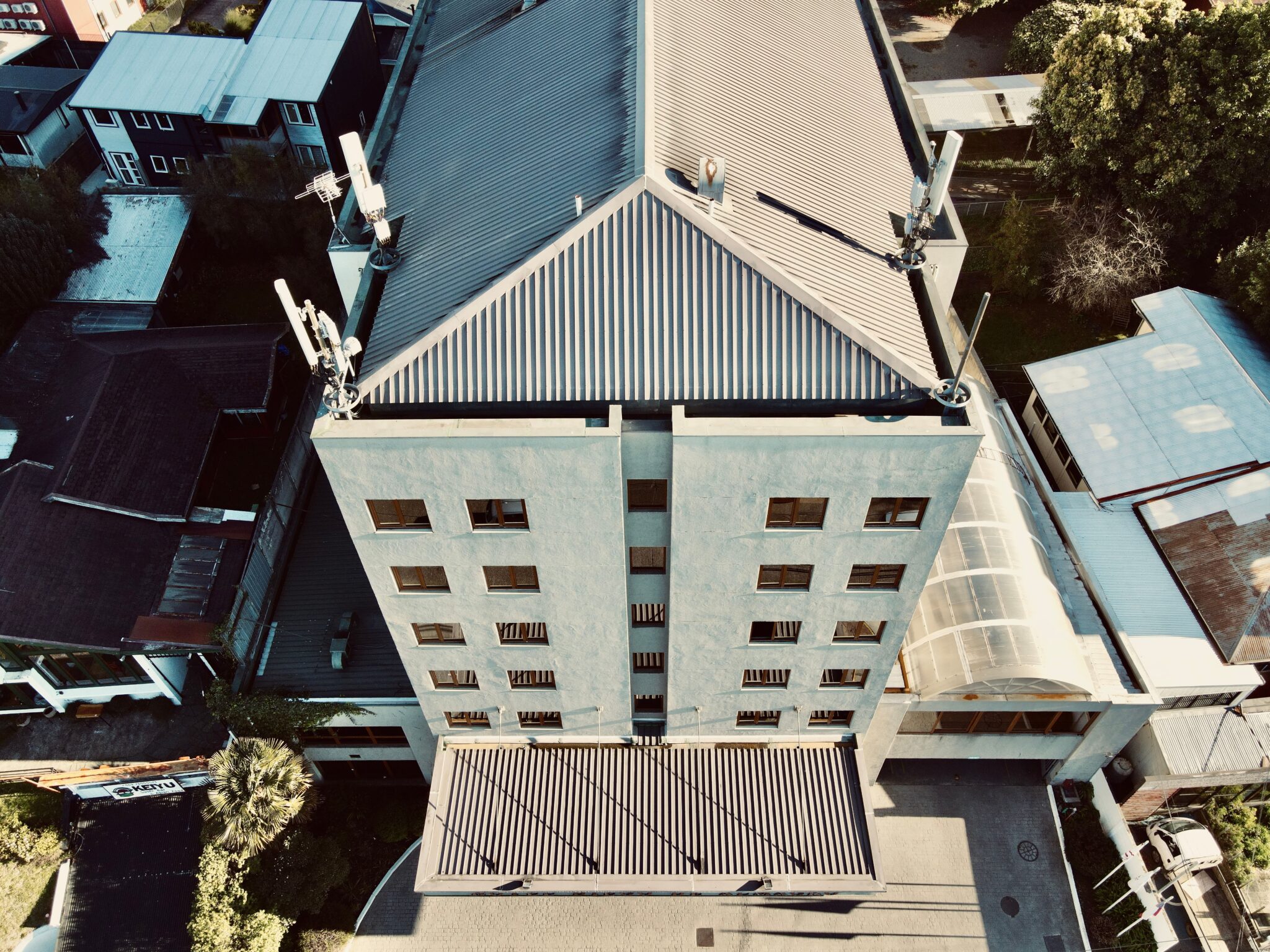
Commercial structures present complex physical profiles compared to basic single-family residential units. Facility designs must accommodate large flat surfaces alongside complex HVAC ductwork arrays. Heavy rooftop machinery adds constant physical stress to support beams below.
Engineers must calculate exact load limits for every square foot of flat surface. Industry analysis points out that commercial properties face unique challenges compared to residential buildings, including flat or low-pitch designs, large surface areas, and heavier load requirements. Planning around structural specs prevents sagging roofs.
Addressing physical demands requires proper engineering and experienced installation crews. Qualified teams design custom drainage plans to move standing water off flat surfaces quickly. Swift drainage protects internal rafters and keeps outer materials from failing early.
Understanding The Commercial Roofing Market Growth
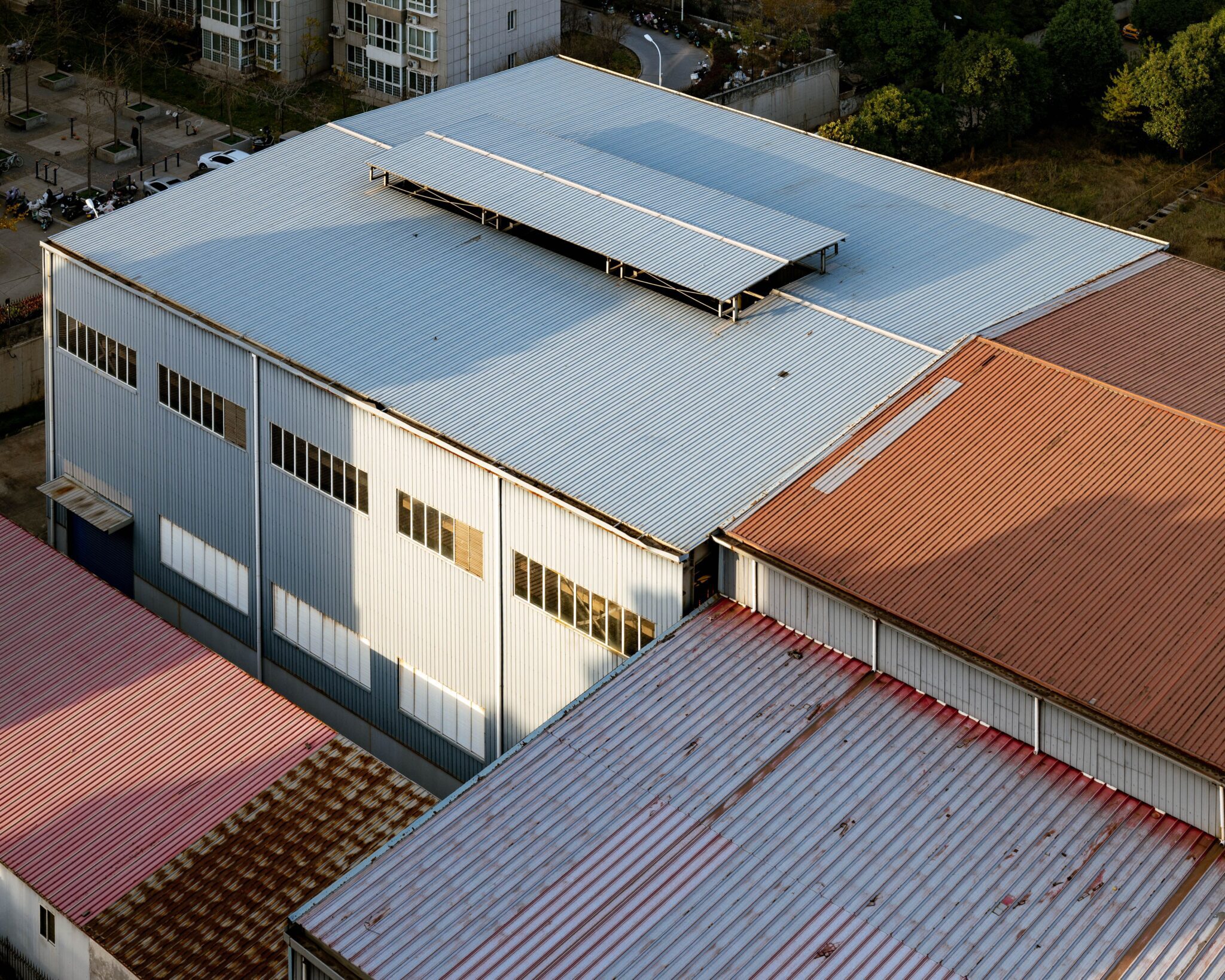
Commercial real estate expansion fuels massive international market investments in protective material manufacturing. Growing industrial sectors demand durable products capable of withstanding extreme environmental exposure. Heavy storms and intense sun push demand for stronger factory membranes.
Financial analyses track steady expansion across industrial structural materials globally. A market study projects that the global commercial roofing market size will reach $22.59 billion by 2034 from $13.68 billion in 2025, registering a CAGR of 5.73%. Rising construction projects keep driving sales upward.
Increased capital flow into material production drives innovation across synthetic manufacturing lines. Property owners benefit from stronger products built for high-traffic industrial conditions. Better synthetic formulas protect massive warehouse spaces against harsh weather for years.
Mitigating Thermal Heat Building Surface Temperatures
Extreme summer heat causes severe thermal stress across dark, unreflective top surfaces. High surface heat causes materials to expand rapidly, creating cracks along seam lines. Sunlight bakes raw roofing materials through long afternoon hours.
Direct surface temperature measurements show dramatic differences between traditional and modern membranes. Standard reporting shows that a conventional dark-colored commercial roof may reach surface temperatures of 150-170°F on a summer afternoon, whereas a cool roof under the same conditions typically stays below 110°F. Light reflective tops bounce solar rays back into the sky.
Lower surface temperatures prevent premature breakdown of rubberized compound layers beneath top coatings. Facility managers protect structural layers simply by picking light colored outer membranes. Selecting lighter shades adds years of operational service to building assets.
Maximizing Financial Savings With Energy Efficient Membranes
Large warehouse facilities incur massive heating and cooling expenses throughout operational seasons. Upgrading reflective outer layers directly lowers mechanical load on interior climate systems. Lower utility demands keep equipment working smoothly without sudden breakdowns.
Financial modeling shows significant annual utility reductions for large square footage structures. Real-world data demonstrates that upgrading from a dark EPDM roof to a white TPO membrane can reduce annual cooling costs by $8,000-$15,000 for a 50,000 sq ft warehouse. Light surfaces bounce heat away before it penetrates work floors.
Operational savings free up enterprise budget resources for business expansion goals. Energy-efficient choices create predictable overhead expenses during extreme temperature swings. Smart choices help keep long-term operating costs stable.
Choosing Sustainable Synthetic Roofing Options
Synthetic material choices offer long-term durability against UV rays and physical wear. Material selection dictates how well outer covers hold up against hail, heavy wind, and flying debris. Strong synthetic layers protect inner building structures year-round.
Modern contractors rely on proven synthetic polymers for tough industrial environments. Industry projections show that thermoplastic polyolefin (TPO) and ethylene propylene diene monomer (EPDM) are expected to continue dominating the commercial roofing market owing to their durability, heat resistance, and energy efficiency. High-tech manufacturing creates reliable protective layers.
Selecting proven synthetic membranes keeps facility managers from dealing with constant patch jobs. High-grade polymers keep seams tight under severe weather strain. Smart material choices prevent emergency repair calls during major storms.
Preserving Warranty Coverage And Product Guarantees
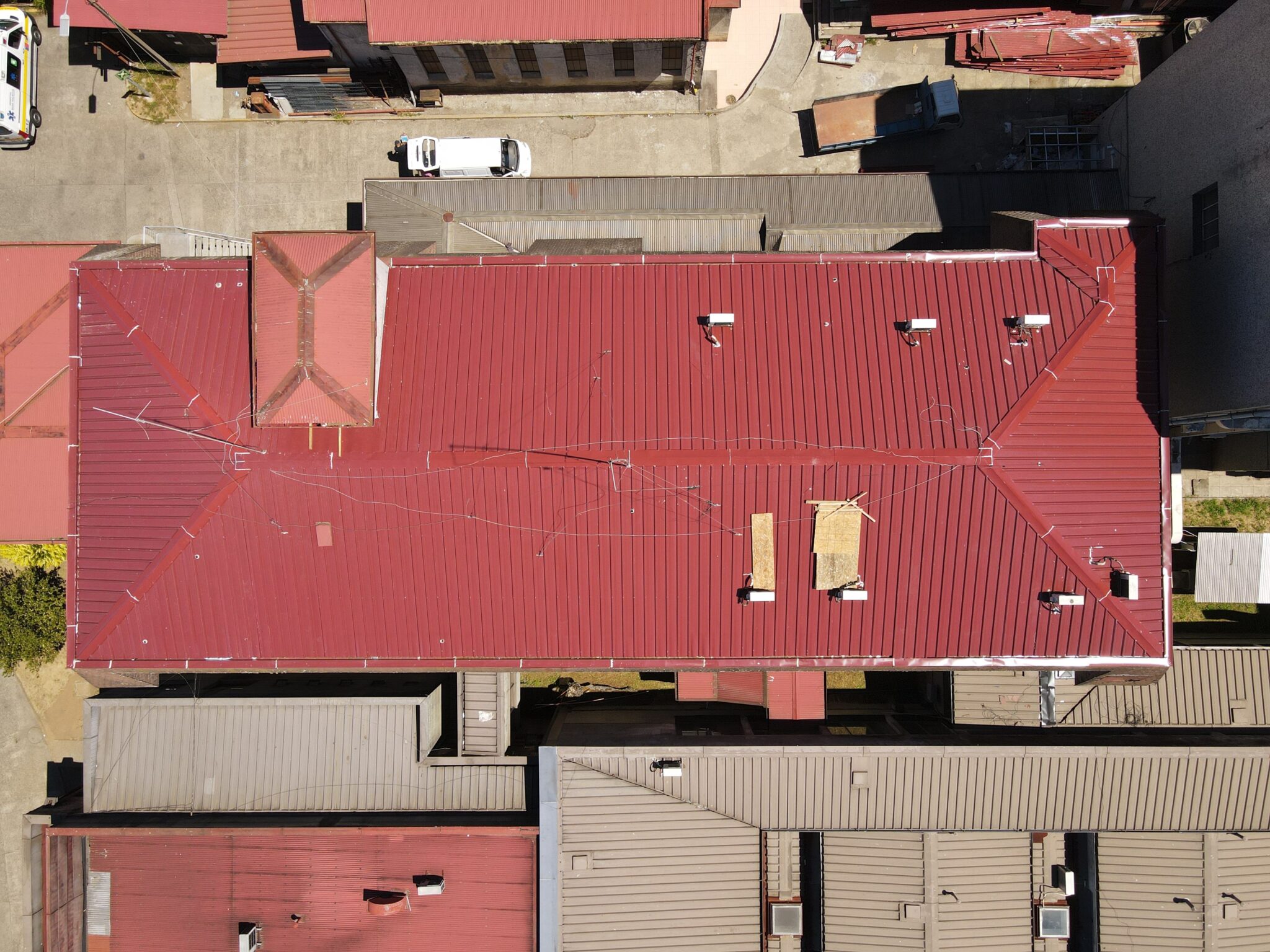
Manufacturer warranties provide financial protection against early material failure or defects. Keeping precise written logs of all maintenance activities protects those financial guarantees. Clear records show that building managers care for their assets properly.
Contract terms clearly outline owner responsibilities regarding systematic physical inspections. Industry guidelines warn that failing to regularly maintain your roof could void warranties, leaving you responsible for the full cost of repairs or replacement. Regular checks keep factory coverage active for years.
Proper maintenance documentation satisfies warranty claim criteria if unexpected severe weather damage strikes. Smart building management protects factory guarantees through regular professional checkups. Routine service visits preserve long-term financial safety.
Preventing Water Intrusion And Mold Accumulation
Water intrusion damages internal ceiling tiles, ruins electrical equipment, and causes structural rot. Stopping moisture penetration at the outer shell keeps internal operational environments safe and healthy. Regular checks prevent minor leaks from ruining inventory stored inside warehouse units.
Facility managers must watch out for distinct signs of moisture breakdown around building seams:
- Flashing separation along parapet walls and rooftop HVAC units
- Standing ponding water that remains 48 hours after rain stops
- Internal ceiling discoloration or persistent damp odors in top floor offices
Taking quick action on minor water entry prevents expensive interior mold remediation projects. Consistent physical checks keep interior air safe for working staff members and preserve valuable property assets. Quick roof repairs stop small cracks from spreading across wide flat commercial structures.
Boosting Property Value For Long-Term Returns
Commercial real estate values depend heavily on the structural health of top overhead assemblies. Potential buyers or tenants scrutinize overhead conditions before signing long-term commercial leases.
Long-term study figures highlight the massive financial impact of routine structural upkeep. Data from the NRCA shows that a well-maintained commercial roof lasts approximately 21 years, whereas a neglected one lasts around 13 years, an 8-year gap.
Extending material life by 8 years saves property owners hundreds of thousands of dollars in early replacement costs. Higher property valuation makes real estate assets more attractive to prospective buyers or investors.
Selecting Qualified Industrial Roofing Experts
Picking the right commercial installation team guarantees peak material performance and long-term overhead protection. Skilled crews understand how to follow precise manufacturer guidelines during membrane placement and seam heat-welding. Taking time to evaluate local contractors helps property owners avoid premature repairs.
Property managers need to check key operational details before signing project agreements:
- Verification of current state licensing, general liability insurance, and worker safety records
- Proven track record managing large flat or low-slope industrial facilities
- Practical hands-on experience installing TPO membranes, EPDM systems, and reflective coatings
Working with trusted contractors prevents expensive project delays and avoids surprise budget expenses. Quality workmanship keeps internal operations dry, maintains full warranty terms, and shields valuable real estate assets against harsh weather patterns for decades.
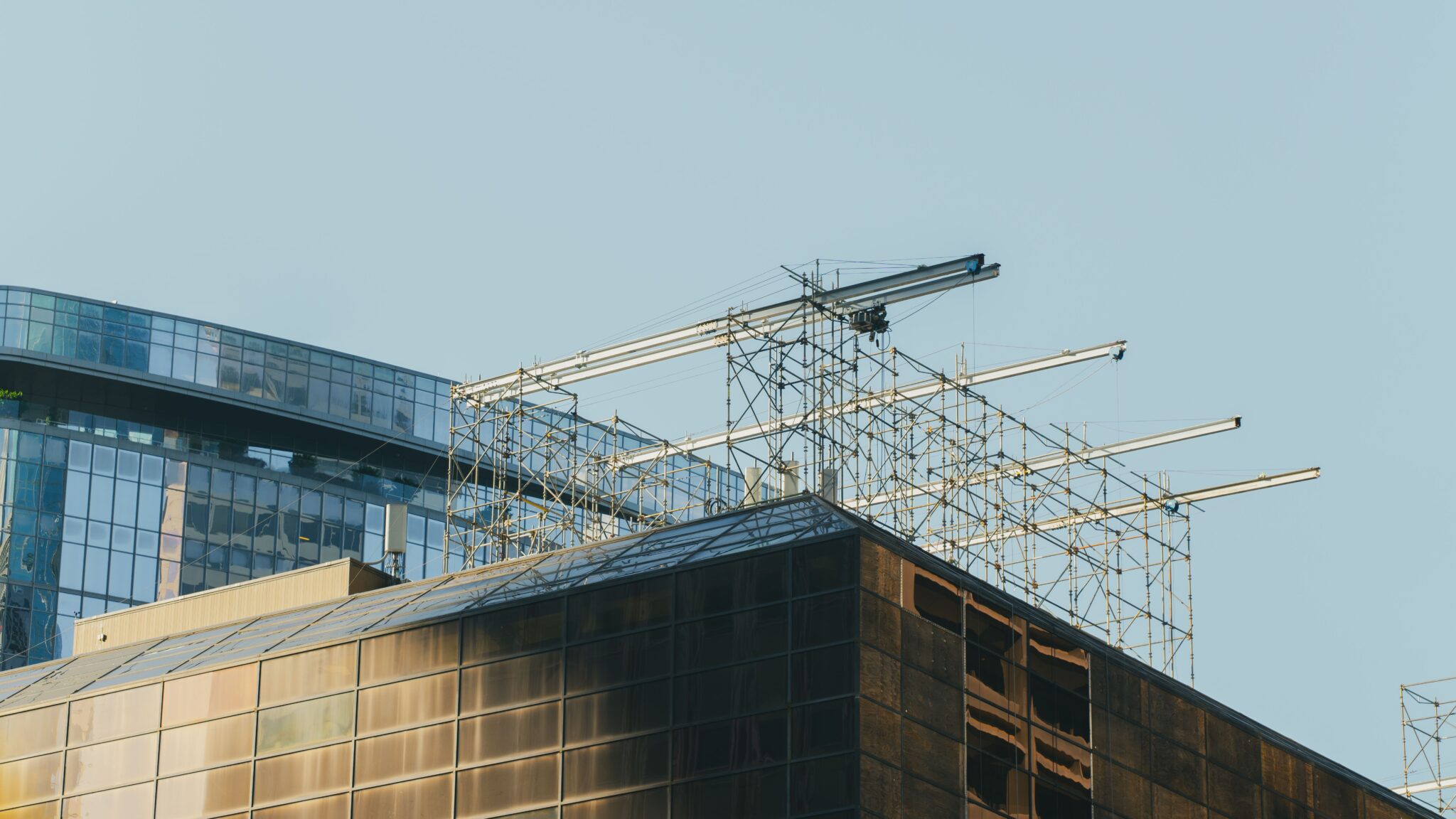
A robust commercial overhead system forms the foundation of facility security and financial savings. Protecting structural assets through regular care prevents costly downtime while preserving real estate value.
Property owners who prioritize quality materials and routine inspections secure long-term business operations. Smart investments made today shield corporate assets and support continuous growth for years ahead.