Weight loss drugs have moved from the fringes to the centre of clinical discussion and public conversation, though not always in a healthy way. The newest generation of injectables is a major improvement on the treatment options available to people with obesity. However, many questions about who they are for, what they can do, and how they can be used remain unanswered. Many professional weight loss clinics, such as Envigore, believe that medication and injectables are tools for clinical management and should be used as such, as a component of a supervised programme, rather than as a standalone treatment.
What the Current Generation of Medications Does
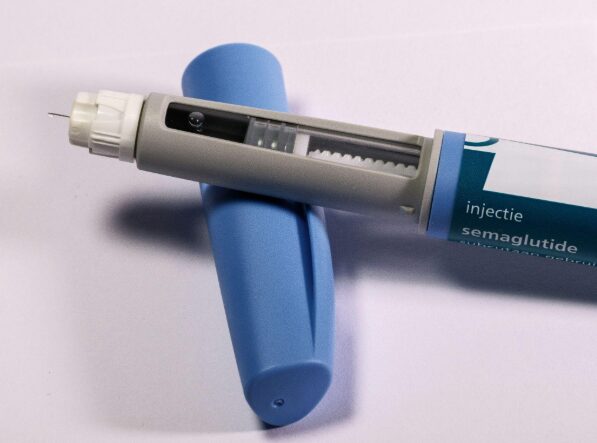
The most popular injectable weight loss treatments available today are designed to mimic hormones that control appetite and metabolism. They signal satiety to the brain, slow stomach emptying, and reduce the reward response to food. These mechanisms are designed to solve the problem at a biological level, which willpower alone cannot solve, for those who have had persistent, physiologically driven hunger that willpower and diet alone cannot stop.
Clinical evidence for these treatments is the strongest ever for drugs in this class. Trial results have demonstrated weight loss results that were previously only seen after surgical intervention, which is an important breakthrough for those with obesity-related health concerns.
Who They Are Clinically Suited To
Injectable weight loss treatments are not suitable for everyone, and responsible prescribing starts with a comprehensive clinical evaluation, not a one-size-fits-all approach. The typical indications for prescription use are a BMI above 30 or a BMI above 27 with at least one other weight-related health risk factor like type 2 diabetes, hypertension or elevated cholesterol.
Once BMI is reached, a clinician will review your complete medical history, current medications, pertinent contraindications to the chosen treatment and whether it appears as though medication is the next best step in your clinical picture. History of lifestyle intervention is also usually taken into account.
What Realistic Results Look Like
The results of these treatments are actually meaningful, and clinical trials give the best idea of what they can accomplish. The average weight loss in the largest trials has been higher than in any other class of weight-loss drugs, and some people have experienced weight loss usually associated with bariatric surgery.
Those figures also reveal considerable variation in individual people’s response. Some people lose much more than averagen while others lose less. A supervised programme monitors your reaction and adapts the programme to suit you, instead of relying on your own interpretation of the results without clinical context.
Why a Supervised Programme Changes the Outcome
Prescribing medication outside a structured context is a less intensive intervention than prescribing it within a clinically managed programme. These treatments can decrease appetite, creating an opportunity to develop new eating patterns, behaviours, and a healthier relationship with food.
Without professional guidance during that time, you may lose some of that opportunity. During treatment, you may feel lighter, but when treatment is over, you may feel hungry and old habits may begin to creep back, without any new structure to support you. A supervised programme takes a planned approach to the medication phase, building the skills and knowledge that will safeguard results after the programme ends.
Managing Side Effects Properly
Gastrointestinal side effects, nausea, changes in bowel habits, and reduced tolerance for certain foods are common in the early weeks of injectable treatment and require proper clinical management. For most people, they ease as the body adjusts, but the process benefits considerably from professional guidance on dose progression, dietary adaptation, and what to expect at each stage.
A programme that leaves you to manage these effects without support is failing a basic standard of care. Regular clinical contact during the early treatment phase is not a luxury; it is part of what makes the medication safe and tolerable.
When Medication Is Not the Right Starting Point
A clinician committed to your long-term outcomes may recommend a different starting point before medication becomes appropriate if an underlying condition is unmanaged, if you haven’t genuinely attempted lifestyle interventions, or if the clinical picture suggests a different primary approach; that guidance is worth trusting. It is not a barrier to treatment; it is an honest assessment of what will actually serve your health rather than simply fulfilling a request.
The Transition After Treatment
Planning for the end of an injectable course should begin before treatment starts. The appetite reduction these medications provide is not permanent. If the programme has not built sustainable habits during the treatment phase, the conditions for regaining weight are already present before the last dose is given.
A well-designed programme anticipates this transition explicitly: building a nutritional pattern, addressing behavioural triggers, and preparing you clinically for the shift before it happens rather than treating it as something to manage later.
Medication as One Part of Something Larger
The most effective use of weight loss medication is as one component of a programme that also includes clinical oversight, dietary guidance, behavioural support, and a clear long-term plan. Within that context, these treatments can produce outcomes that genuinely change health trajectories. Used in isolation, they produce real but often temporary results. The difference between those two outcomes is the programme.