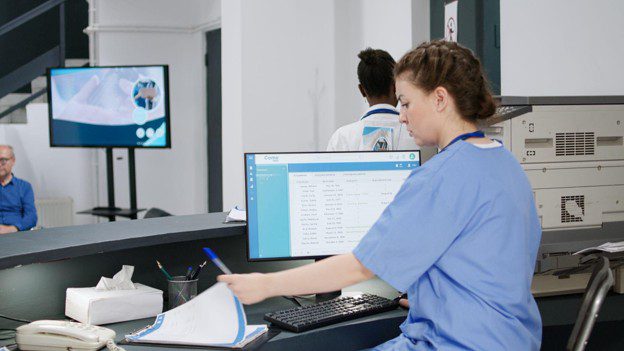
Every extra minute a room sits empty, every supply that goes unused, and every staff member without enough to do costs your surgery center money it does not need to lose. Operational efficiency is not about working faster for its own sake; it is about removing the small delays and waste that build up over a busy week. Centers that pay close attention to these details tend to handle more cases, spend less on overhead, and keep both staff and patients happier. Improving efficiency usually comes down to a handful of specific areas rather than one big fix.
Why Efficiency Matters Across Your Center
A single inefficient step, like a late supply delivery or a confusing schedule, rarely stays contained to one department. Delays in one area tend to push back everything that happens afterward, from the next surgery to the end-of-day paperwork. Many centers turn to an HST Pathways ASC management platform to bring scheduling, supplies, and reporting into one system instead of tracking each area separately.
Small inefficiencies also add up faster than most people expect, since a few minutes lost per case multiplies across dozens of procedures each week. Staff notice these patterns even before the numbers show up on a report, since frustration tends to build around the same recurring problems. Addressing efficiency at this level usually pays off more than focusing on any single big change.
Reducing Downtime Between Cases
The time between when one patient leaves the operating room and the next one arrives, often called turnover time, has a direct effect on how many cases your center can perform in a day. There is no single fixed national standard for this number, but many centers aim for turnover times in the range of 20 to 45 minutes depending on the complexity of the procedure. Even small improvements here can open up room for an extra case on a busy day.
Cutting turnover time usually comes down to clear staff roles, having supplies ready before the current case even ends, and cleaning steps that do not require unnecessary delays. Some centers organize a dedicated team just for room turnover, similar to a pit crew, so cleaning and setup happen at the same time instead of one after another. Small process changes like this tend to matter more than any single piece of equipment.
Keeping Supply Costs Under Control
Supplies that expire on the shelf or get ordered in the wrong quantity quietly drain money from your center every month. Overstocking ties up cash and storage space, while understocking risks delaying a procedure at the last minute. Tracking usage closely enough to order just what you need takes more effort than guessing, but it saves real money over time.
Standardizing supply kits for common procedures also reduces the chance that staff grab the wrong item or waste time searching for something missing. Reviewing which supplies actually get used most, rather than relying on habit, often reveals savings that were easy to miss. A tighter supply process frees up both cash and storage space for other priorities.
Learning From Your Own Performance Data
You cannot fix a problem you cannot see, which is why tracking your own numbers matters more than following a general rule of thumb. Case length, turnover time, and cancellation rates all tell a story about where your center loses time. Facilities that focus on measuring and improving turnover time have reported meaningful gains in daily case volume, as recent reporting on operating room efficiency has described.
Reviewing this kind of data regularly, rather than only after a problem becomes obvious, lets your team catch small issues before they grow. Comparing your own numbers month to month often matters more than comparing against another facility, since every center’s mix of procedures is different. Consistent tracking turns a vague sense that something feels slow into a specific, fixable problem.
Matching Staff Schedules to Real Demand
Staffing too many people on a slow day wastes payroll, while staffing too few on a busy day creates delays and burnout. Looking at actual case volume by day of the week helps you build a schedule that matches real demand. This kind of planning also reduces the last-minute scrambling that happens when a schedule does not match the day’s workload.
Cross-training staff to handle more than one role gives you more flexibility when volume shifts unexpectedly. Clear, predictable schedules also tend to improve staff satisfaction, since fewer surprises mean less stress during an already demanding job. A schedule built around real patterns, not habit, tends to serve both your budget and your team better.
Efficiency as an Ongoing Habit
Operational efficiency in a surgery center rarely comes from one dramatic change; it comes from paying steady attention to turnover time, supply use, data, and staffing. Centers that treat these areas as an ongoing habit, rather than a one-time project, tend to see steadier results over time. Small improvements in several areas usually add up to more than a single large fix ever could. Staying focused on these everyday details is often what separates a center that merely functions from one that runs well.