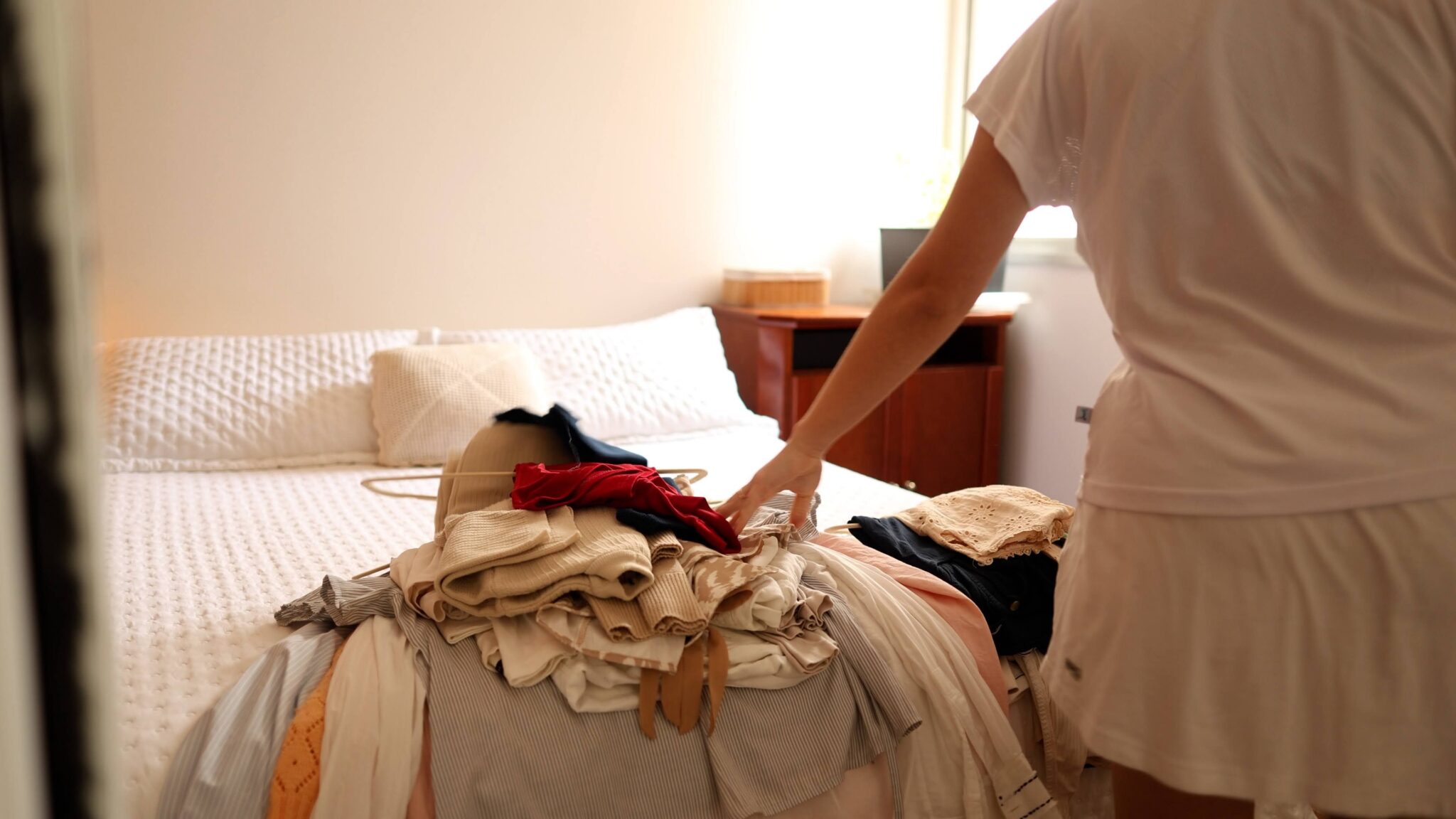
Few organizing philosophies have made as big a cultural splash as the KonMari method. When Marie Kondo’s tidying advice went global, millions of people started folding their shirts into neat rectangles and asking whether their possessions “sparked joy.” But trends evolve, minimalism has taken new forms, and lifestyles look different from what they did a few years ago. So the real question in 2026 is whether this famous approach still delivers results or whether it belongs to a past decluttering wave.
What the KonMari Method Actually Teaches
At its core, the KonMari method is less about throwing things away and more about intentional living. Marie Kondo built her philosophy around keeping only items that bring genuine happiness, then organizing them so everything has a designated home. Rather than tackling one room at a time, the method groups belongings by category, which forces you to confront exactly how much you own. This mindset shift is what separates her advice from typical tidying tips. Understanding the foundation helps explain why the approach still resonates with so many people.
The method follows a specific order designed to build momentum and emotional confidence. Below are the five categories Kondo recommends tackling in sequence:
- Clothing – the easiest place to start and practice the joy-check habit.
- Books – often emotionally loaded but manageable once clothing is done.
- Papers – documents, receipts, and mail that pile up quickly.
- Komono – miscellaneous items like kitchenware, gadgets, and toiletries.
- Sentimental items – saved for last, when decision-making feels natural.
Why the Method Gained Such Massive Popularity
The rise of KonMari coincided with a growing cultural fatigue around consumerism and clutter. People felt overwhelmed by possessions and craved a system that felt both practical and emotionally satisfying. Kondo’s gentle, almost meditative framing gave decluttering a sense of purpose rather than punishment. Her focus on gratitude, even thanking items before discarding them, appealed to those seeking mindfulness in everyday routines. That emotional connection is a major reason the method spread far beyond home-organizing circles.
Where the Method Faces Criticism Today
No approach is perfect, and the KonMari method has drawn its share of pushback over the years. Some critics argue that the “spark joy” test is too vague for practical items that serve a function without any emotional pull. Others point out that the all-at-once category method can feel overwhelming for people with busy schedules or larger households. There are also budget concerns, since replacing discarded essentials can become expensive if decluttering goes too far. Recognizing these limitations helps set realistic expectations before diving in.
To weigh the approach fairly, here is a quick comparison of its strengths and weaknesses:
| Strengths | Weaknesses |
| Encourages intentional ownership | “Spark joy” test can be unclear |
| Builds lasting tidy habits | The category method feels overwhelming |
| Reduces emotional attachment to clutter | Not ideal for practical-only items |
| Creates a calming home environment | Time-consuming for large homes |
How the Method Holds Up in 2026
Lifestyles have changed, but the underlying principles of the KonMari method remain surprisingly relevant. Remote work, smaller living spaces, and a renewed interest in sustainability have made intentional ownership more appealing than ever. Instead of buying more storage, many people now prefer owning less and valuing what they keep. The method’s emphasis on mindfulness fits neatly with the current wellness-focused mindset. In that sense, the philosophy has aged better than many quick-fix organizing fads. Just as people look for joyful, engaging experiences in their downtime, such as the online casino games and slots found at Fiery Play, they increasingly want their homes to reflect the same sense of intentional enjoyment.
Adapting the Method to Modern Homes
Rather than following the system rigidly, many people now customize it to fit their reality. Digital clutter, for example, was barely a concern when the method first appeared, yet inboxes and photo libraries now demand attention too. Applying the joy-check principle to apps, subscriptions, and digital files extends the philosophy into new territory. This flexibility is a big reason the approach continues to feel useful rather than outdated.
Sustaining a tidy space requires more than one intense cleanup session. Building small, consistent habits keeps clutter from creeping back over time. Setting realistic goals also prevents burnout during the process. A little planning goes a long way toward making decluttering feel rewarding instead of exhausting. These simple adjustments help the method work for real, everyday life.
Bringing It All Together
Sustaining a tidy space requires more than one intense cleanup session. Building small, consistent habits keeps clutter from creeping back over time. Setting realistic goals also prevents burnout during the process. A little planning goes a long way toward making decluttering feel rewarding instead of exhausting. These simple adjustments help the method work for real, everyday life.
The Marie Kondo approach still works in 2026, especially for those who embrace its mindset rather than treating it as a strict rulebook. Its focus on intentional living, mindfulness, and lasting habits keeps it relevant even as trends shift. If you have been considering a fresh start at home, now is a great time to test the method for yourself.