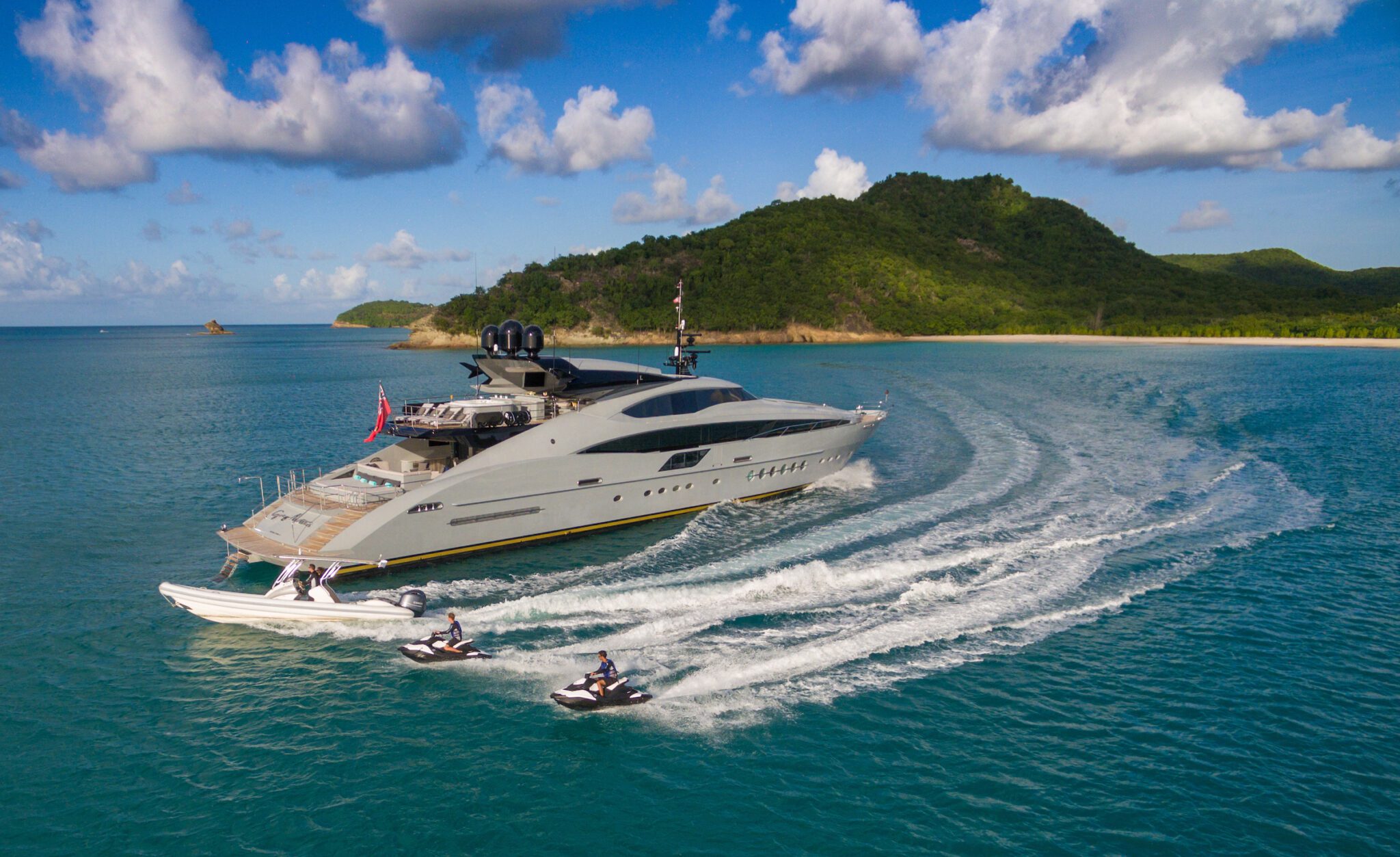
For many prospective yacht owners, the dream of ownership comes with a practical question: Can chartering the vessel generate enough income to offset the costs?
The answer is yes—but with important qualifications.
A yacht is rarely a conventional profit-making investment. However, when the right vessel is professionally managed, properly marketed and operated by an exceptional crew, charter income can significantly reduce annual ownership expenses. In select cases, a successful charter program may even produce a positive financial return.
Understanding the Charter Market
The Caribbean and Mediterranean remain two of the world’s most active luxury yacht charter markets. Demand for private yacht vacations continues to be strong, particularly among affluent travelers seeking privacy, personalized service and access to destinations that are difficult to experience from land.
Competition, however, is substantial. With thousands of yachts available for charter, guests can be highly selective.
The vessels that consistently attract bookings tend to share several characteristics. They are generally newer, impeccably maintained and equipped with an appealing selection of water toys, wellness amenities and entertainment options.
Above all, they have an outstanding crew.
A yacht may feature exceptional design, spacious accommodations and the latest technology, but the onboard experience ultimately determines whether guests return or recommend the vessel to others. Attentive service, strong culinary offerings and a knowledgeable captain and crew frequently distinguish the most successful charter yachts from the rest of the market.
How Many Charter Weeks Are Needed?
A commonly cited industry benchmark is approximately 12 to 14 weeks of charter bookings per year. For many commercially operated yachts, this level of activity may cover a substantial portion of annual operating expenses.
The precise economics depend on several factors, including the yacht’s size, charter rate, financing, maintenance requirements, crew costs, insurance, marina fees and management expenses. Charter income should therefore be viewed as a way to offset ownership costs rather than as guaranteed profit.
There are also notable exceptions.
Yachts operating in highly specialized destinations, including Alaska, Antarctica and other expedition regions, may command premium charter rates because of their limited availability and unique itineraries. Vessels equipped with extraordinary features—such as helicopters, submarines, extensive dive equipment or custom adventure amenities—may also stand out in a crowded marketplace.
Structuring Yacht Ownership Correctly
For owners who intend to charter their yacht, the ownership and operational structure can be just as important as the vessel itself.
Establishing the yacht as a legitimate commercial enterprise may create certain tax and financial-planning opportunities for U.S. owners. When properly structured and operated, some business-related expenses may be deductible, potentially improving the overall economics of ownership.
Bonus depreciation has also been an important consideration for qualifying buyers. Under certain tax rules, eligible owners have historically been able to deduct a substantial percentage of a yacht’s purchase price during the first year it is placed into commercial service.
However, depreciation rules, percentages and eligibility requirements can change. Owners must also satisfy strict standards regarding business use, documentation and commercial activity.
For this reason, no buyer should rely on a tax strategy without consulting an experienced maritime attorney and a qualified tax adviser familiar with yacht ownership, charter operations and current IRS requirements.
Creating Philanthropic Value
Yacht ownership may also provide opportunities to support charitable organizations.
Some owners make their vessels available for qualified nonprofit events, fundraising experiences or charity auctions. Donating a private cruise or charter experience can help an organization raise meaningful funds while introducing new supporters to its mission.
Depending on how the contribution is structured, there may also be tax considerations for the owner. As with commercial chartering, charitable use should be reviewed with qualified legal and tax professionals to ensure that the donation is properly documented and compliant with applicable regulations.
For impact-minded owners, this approach can transform a luxury asset into a platform for philanthropy, relationship-building and memorable donor engagement.
The Most Popular Charter Destinations
Caribbean, Bahamas and British Virgin Islands
The primary charter season generally runs from Thanksgiving through Easter, when travelers seek warm-weather escapes from North America and Europe. Summer bookings are also becoming increasingly popular.
In the British Virgin Islands, sailing catamarans are particularly sought after. Their stability, spacious layouts and shallow drafts make them well suited for island-hopping and accessing secluded anchorages. They can also be among the most commercially productive vessels in the region.
Mediterranean
The Mediterranean charter season typically runs from June through late September. Popular itineraries include the French Riviera, Italy, Greece, Croatia, Spain and the Balearic Islands.
High-profile events, including the Cannes Film Festival, Monaco Grand Prix and major summer social gatherings, can create especially strong demand during peak weeks.
Alaska
Alaska’s charter season generally extends from June through September. Expedition-style yachts are particularly well positioned in this market, offering guests access to glaciers, wildlife, remote waterways and destinations that are difficult to reach by traditional means.
The Bottom Line
A yacht should not be purchased solely as a financial investment. The costs of crew, maintenance, insurance, management, dockage and ongoing upgrades can be substantial.
Nevertheless, with the right vessel, an experienced management company, a highly trained crew and a carefully planned charter strategy, an owner may offset a meaningful portion of those expenses.
The most successful owners approach chartering as a professionally operated hospitality business rather than simply making a private asset occasionally available for rent. They understand their target market, invest in the guest experience and maintain the vessel to the highest possible standards.
With realistic expectations and qualified legal, tax and maritime guidance, yacht ownership can offer both an extraordinary lifestyle and valuable financial advantages.