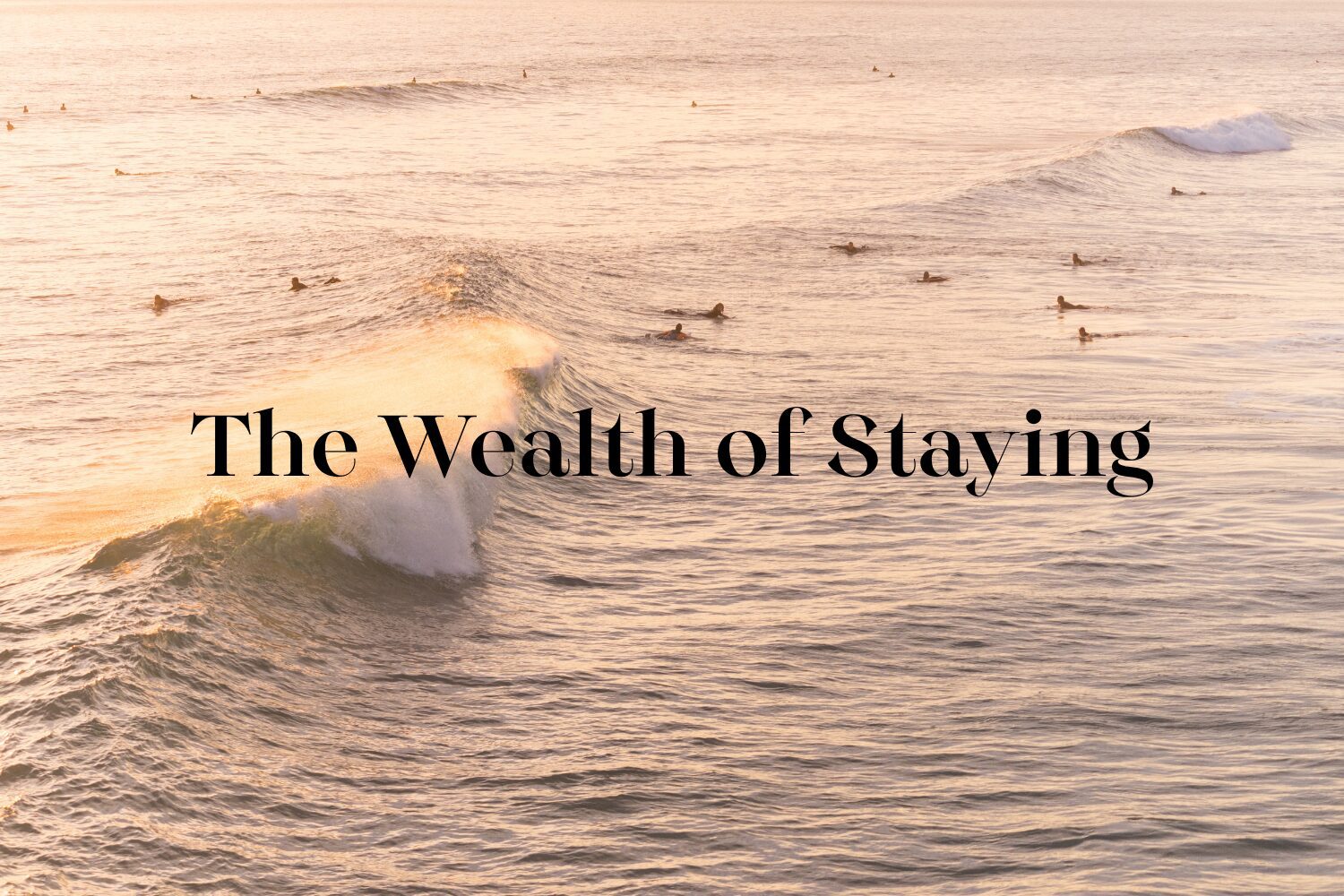
On a particularly inviting day in Malibu, Olivier de Givenchy was watching the waves near his family’s home when a neighbor stopped to talk. The neighbor’s brother, he explained, had left California for tax reasons. He had chosen to stay.
“I’m staying here because I get 15% more out of life,” the man told him. “So I’m okay paying 15% more in taxes.” The two agreed that 15% might be tolerable, even rational. Perhaps not 30%. But the exchange stayed with de Givenchy because it distilled a question that balance sheets can’t fully answer: What is a place worth when it gives something meaningful back?
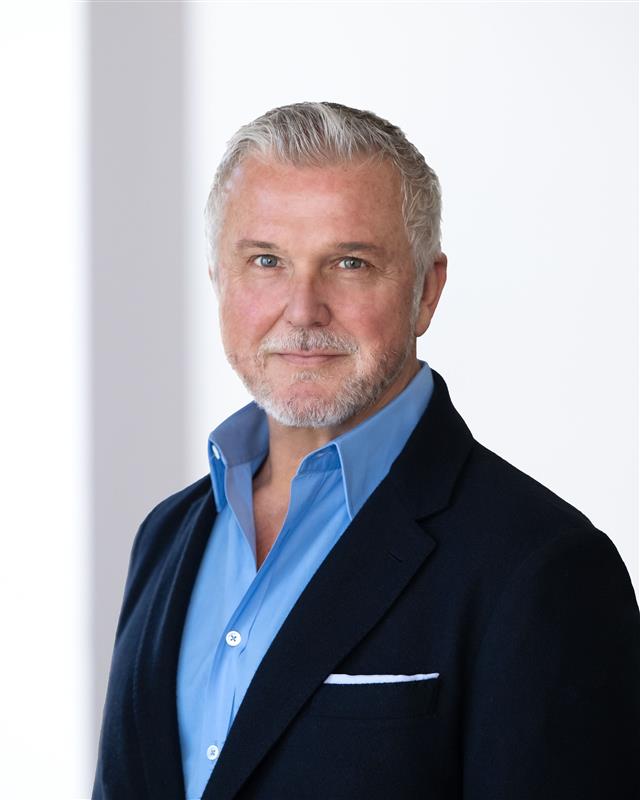
For de Givenchy, CEO of J.P. Morgan Private Bank’s West Region, the most consequential wealth-planning conversations are rarely about tax rates alone. They are about family, identity and the emotional geography of a life. Where children will grow up, where friendships and institutions have been built, and what a family hopes to contribute to the community it calls home. He also serves as chair of the Academy Museum of Motion Pictures, placing him at the intersection of finance, culture and Los Angeles civic life.
“The question is, where do they want to live?” he says of the ultra-high-net-worth families he advises. “Where do they think their families want to live going forward, and what impact do they want to have on the communities that they live in?” It’s a more expansive view of wealth stewardship, beginning not with minimizing obligations, but determining what the wealth is for. How should it serve the person who created it? How can it prepare the next generation without diminishing ambition? And, ultimately, “Who do they want to be remembered as?”
The Price of Belonging
The debate over whether wealthy families will leave high-tax states often reduces complex lives to a comparative chart. California versus Florida. New York versus Texas. Income tax, estate tax, property tax and residency requirements arranged in orderly columns.
Olivier De Givenchy does not dismiss those calculations. “There is such a thing as overtaxing,” he says, and a point at which even deeply rooted families will reconsider where they live. But in his experience, taxes are often a catalyst, not the entire cause.
He saw a version of this dynamic while working with clients in France. Families did not necessarily leave because they objected to paying taxes, he says. The uprooting came when they felt that, even after making a considerable contribution, they were being told it was insufficient. Or even so far that the wealth they had created was itself undeserved.
“Most of our clients are very happy to pay the right amount of taxes,” he says. “They just want to make sure that the taxes are well used and that they see the result,” both in their immediate communities and in the long-term health of the state or country in which they live.
This is a distinction that matters. Taxation may be a financial obligation, but belonging is a social fabric. Families are more likely to remain invested in a place when they feel that they are regarded as participants in its future rather than simply a source of revenue.
De Givenchy recalls speaking with one exceptionally wealthy Californian who was absolute in his plan to stay regardless of what happened politically. He had more than enough to live comfortably. His concern was not whether he would be taxed, but whether increasing contributions would be used effectively. “People want to pay their fair share of taxes,” de Givenchy says. “There is such a thing as too much. There’s a number that will make people really think about where they live. And, as importantly, how is this money truly being used?”
For families evaluating a move, his perspective suggests a different sequence of questions. Before calculating potential savings, they should consider what might be lost: proximity to children, trusted advisers and lifelong friends. And then you can’t count out access to schools, universities and cultural institutions and the business relationships you’ve built and even the regular familiarity and the sense of recognition that comes from being part of a community over time all go into a sense of place. The most financially optimal jurisdiction may not always produce the richest life.
Something to be considered is the economic consequences when enough families decide that the balance has shifted.
De Givenchy points to his brother, a successful jeweler who once lived in New York. As more of his clients moved to Florida, he eventually followed them. Illustrating why the movement of wealth is rarely limited to the wealthy themselves. Advisers, craftspeople, restaurateurs, household employees, designers and specialized service providers often move alongside them or they lose the business.
“The risk,” de Givenchy says, “is that not only the very wealthy move, but the people who rely on the very wealthy for their trades.”
In Los Angeles, he sees the entertainment industry as an important example. Its public image may be one of actors, red carpets and studio executives, but its economic foundation includes electricians, florists, drivers, makeup artists, hairdressers and hundreds of thousands of other workers.
Entertainment, he says, is to Los Angeles what the automotive industry once was to Detroit: not simply a prestigious local industry, but an ecosystem. When productions migrate to locations offering more competitive incentives, the impact extends far beyond the people whose names appear in the credits.
California, he believes, is capable of winning that business back, but it cannot rely on climate, history and reputation alone. “Just be competitive,” he says. “Because the competition is out there.” At the same time, he remains an energetic advocate for the state. California continues to attract people who want to invent, build and reinvent themselves. Its universities, concentration of capital and culture of possibility remain difficult to replicate.

“You can be a Rothschild, come to California and reinvent yourself,” he says, “or you can be someone from another country or from anywhere in the middle of the U.S.” What binds those arrivals is not necessarily capitalism but creativity, the conviction that something new can be made and that an unconventional person can find a place within it.
The next generation of California wealth is arriving quickly, particularly among founders and employees of technology, aerospace, artificial-intelligence and defense companies. For someone who has spent years living comfortably on a salary and holding concentrated equity in a company, a liquidity event can transform life almost overnight.
“You suddenly come from living in an apartment as an engineer with your family very comfortably, and the next day you’re worth a hundred million,” de Givenchy says. “A lot goes through your mind.”
The first job of an adviser, in his view, is education rather than product selection.
Should the client maintain a concentrated position in the company that created the fortune or begin diversifying? What income will be available after the transaction? How should a new home be financed? How much is enough? What happens next when the identity, community and daily purpose associated with building a company suddenly change?
Many newly wealthy clients initially want to buy a home, particularly in California, where property embodies achievement. De Givenchy sees no reason to discourage that enjoyment, provided it is considered within the client’s broader financial life. “We help them plan,” he says. “We advise them on their longer-term decisions.” The goal is to create enough structure around the wealth that clients can use it confidently without allowing it to dictate every decision.
For entrepreneurial clients, the answer to “What will I do next?” after a big sale or acquisition often arrives quickly. Many are imagining the next venture to start and crucially, the ecosystem required to build it (engineers, investors, prospective co-founders and advisers) may still be sitting nearby. Remaining in place in this case is both a lifestyle decision and an investment in future opportunity.
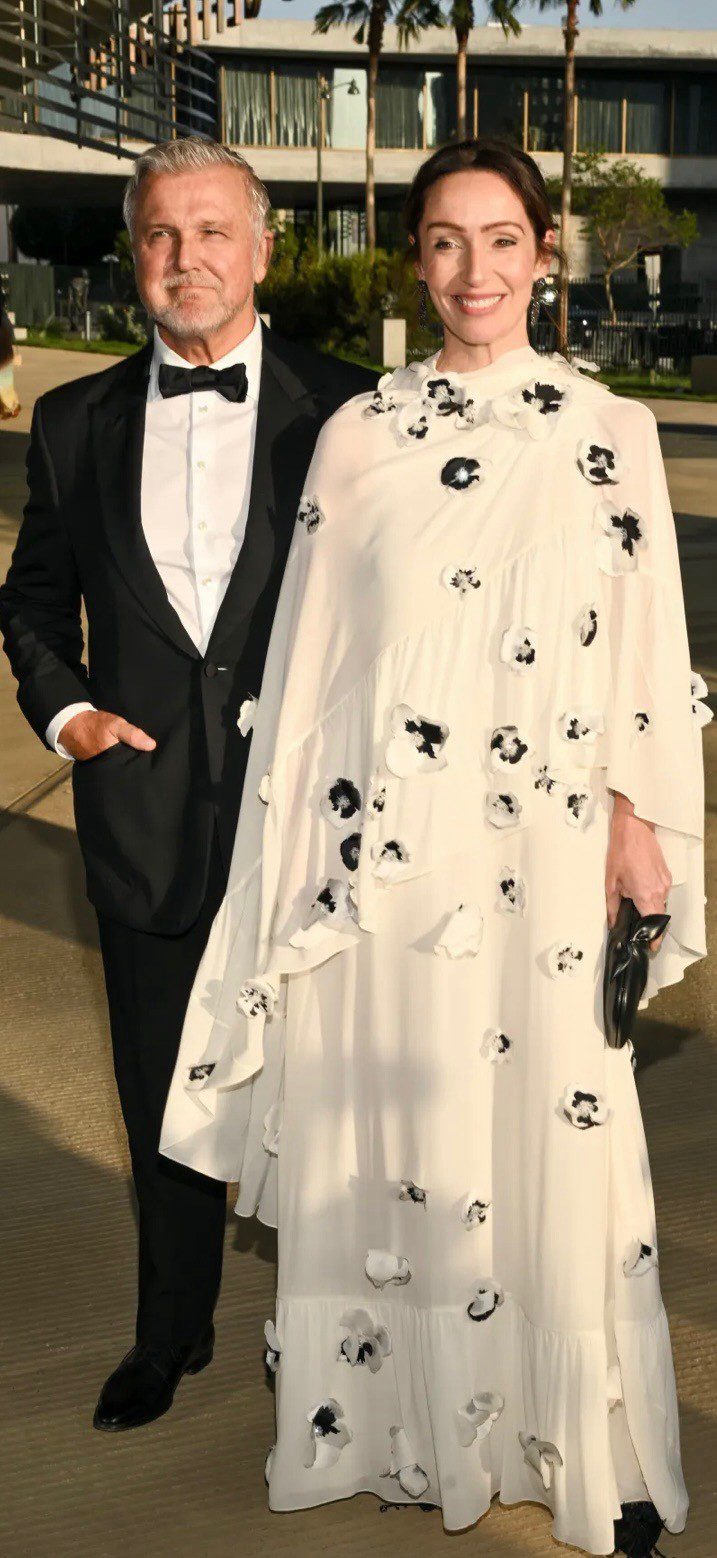 De Givenchy’s own understanding of legacy was formed long before he became a banker.
He is half French and half American, one of seven children and one of two sets of identical twins in his family. His father served in the French Resistance, trained in Brooklyn and later met de Givenchy’s American mother in postwar Germany, where her father was serving as a U.S. Army colonel. Their courtship, marriage in Paris and eventual life together became part of the family mythology de Givenchy grew up hearing.
His uncle, Hubert de Givenchy, built one of the defining fashion houses of the 20th century, helped in part by a celebrated creative partnership with Audrey Hepburn. De Givenchy’s father served as president of the company and led its fragrance business. Yet the family culture at home was restrained.
“We come from a very Protestant French family,” de Givenchy says. “We didn’t show wealth and we didn’t flaunt it.” Beautiful objects were admired, but they were also treated as part of a continuum. “We were always told, ‘This is not for us. It’s for the next generations.’”
From that upbringing came a philosophy: Wealth should be enjoyed, but never assumed to be permanent. His parents had lived through World War II and their parents through World War I. History had shown the family how quickly fortunes, institutions and daily life could change.
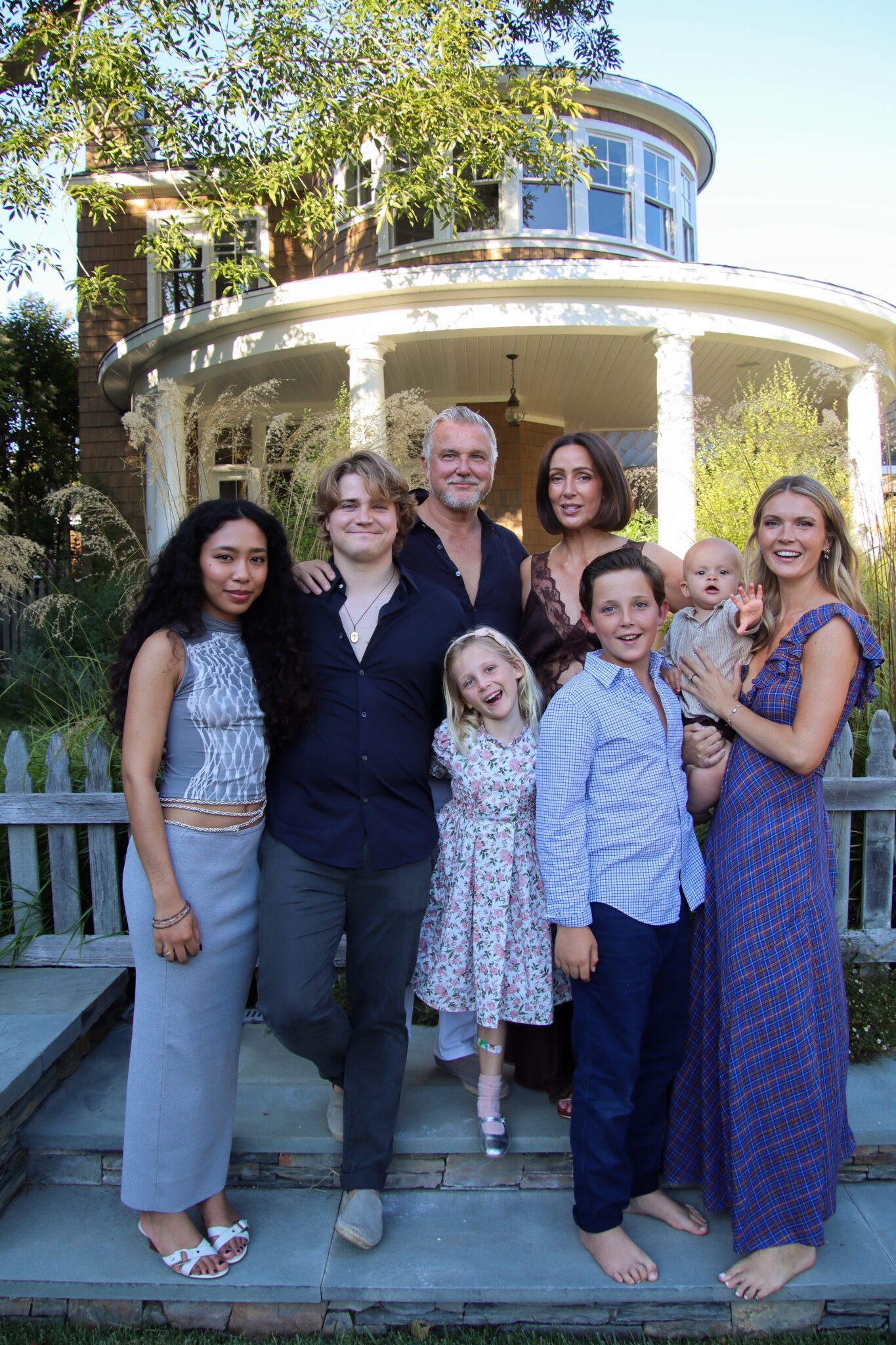
“Wealth is the result of your passions,” he says. “And as such, you should enjoy it, respect it.” De Givenchy is proud of his surname and wants his children to respect it. But he also wants them to create “their own legacy, their own last name, their own stories.”
That expectation shaped his own career. Most of his brothers pursued artistic paths. He became, as he puts it, “the banker,” prompting relatives to jokingly ask what had gone wrong.
He began at Citibank in an early international private-banking training program. He understood that his surname may have helped attract attention, but rather than treating it as an advantage, he regarded it as a warning. “I had to be better. I had to work harder,” he says. “I had to show that I was not just there because I was someone with a good last name.”
After Citibank and Bankers Trust, he joined J.P. Morgan in 1993. His career eventually took him to London, where he led the private bank’s businesses across the U.K., Ireland, the Nordics and South Africa and served as CEO and chairman of J.P. Morgan International Bank before moving west.
The through line has been creativity, a quality he regards as increasingly important in an industry built around analysis and technical expertise. As artificial intelligence assumes more routine tasks, he believes original thinking, curiosity and the ability to form meaningful relationships will distinguish both bankers and clients.
“I don’t think I’m your usual banker,” he says.
Among families with more than enough capital to meet their needs, money frequently recedes as the main subject of conversation. “The conversations are not about money itself,” de Givenchy says. “It’s about the values.”
That shift also affects how families invest. Many of his clients are not motivated exclusively by generating another return. They are drawn to an investment because they understand its purpose, believe in the people behind it or want to participate in the future it represents.
For advisers to ultra-high-net-worth families, this requires understanding the person beyond the portfolio: how the family travels, where its members gather, which causes command their attention, what they want their children to learn and where they feel most at home.
It also explains J.P. Morgan’s effort to meet clients in the communities where they increasingly spend their time. De Givenchy speaks enthusiastically about the firm’s western offices and its consideration of a presence in Aspen, which has evolved from a seasonal destination into a primary or semi-primary residence for families from New York, Chicago, Florida and California.
“Once you’re part of a community and you know each other,” he says, the place assumes a different meaning. “We want to be in front of our clients where they are.” Wealth does not exist apart from place. It is created within networks of talent, institutions and relationships, and is expressed in how a family strengthens those networks.
The ultimate measure of a wealth plan is therefore not simply to reduce a tax burden or preserve capital, it is whether it allows a family to live and to remain where life feels richest, and to give the next generation both a foundation and the freedom to build something new.
Sometimes that may mean moving. Sometimes it means staying in Malibu, looking out at a perfect wave and deciding that a certain premium is worth paying for 15% more life.