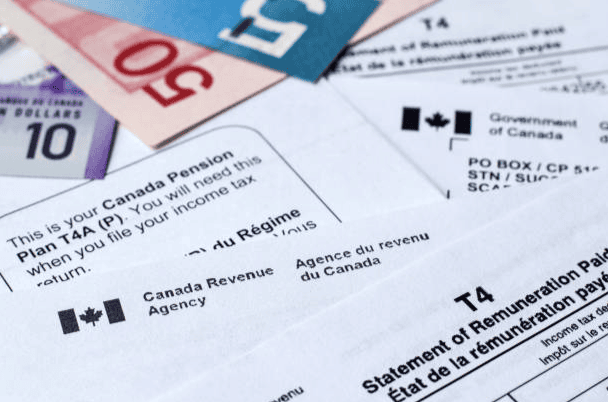
Filing an income tax return for the first time can feel confusing. With new forms, different deadlines and a multitude of credits and deductions, it’s easy to get lost in the details. The good news is that the Canadian tax system follows a fairly predictable pattern each year. When you familiarize yourself with the basics, filing is far less stressful, and this guide covers all the essential facts you need to know before you start your filing.
Who Needs to File a Personal Tax Return
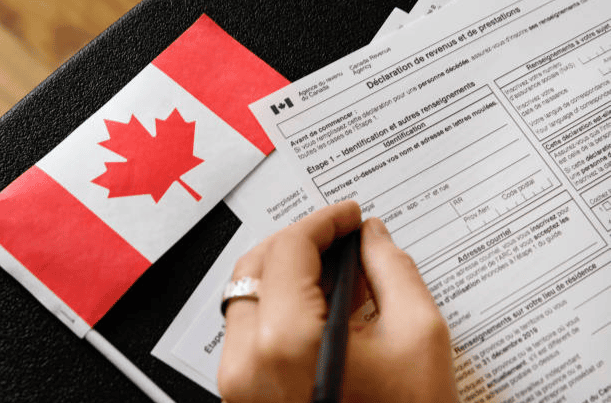
The majority of Canadians with earnings must file an annual personal income tax return (T1) with the CRA. Part-time workers such as employees, the self-employed, the retired, and students with part-time work. Filing is typically a good idea, even if you make little or no money. It enables you to access benefits like the GST/HST credit, the Canada Child Benefit, and some provincial credits, and also ensures that your information is current with the CRA.
Gather Your Documents Before You Start
Before you sit down to file, take time to collect the paperwork you will need, such as:
- T4 slips from employers
- RRSP contribution receipts
- Records of self-employment or rental income
- Receipts for medical costs, tuition or childcare.
Being organized decreases the likelihood of errors and makes the whole process quicker. If your situation includes multiple income sources, or you would simply prefer a second set of eyes on your return, working with an Ottawa Tax Accountant such as Nour & Daniels Tax can help make sure nothing gets missed, and everything is filed correctly.
Know the Key Filing Deadlines

For most individuals, the deadline to file a personal tax return is April 30. For self-employed individuals or their spouses, the deadline for filing is June 15, although balances due for 2016 are due by April 30. The late filing fee and daily interest will add up in short order the longer a return is not filed and may result in a late filing fee. You might wish to jot it down on your calendar early, or even set up an easy reminder, and save yourself some real cash later.
Common Deductions and Credits Worth Knowing
Canada offers several legitimate ways to reduce the tax you owe, including:
- RRSP contributions, which lower your taxable income
- The basic personal amount, which applies to virtually all filers
- Medical expenses above a certain threshold
- Tuition fees for eligible students
- Childcare costs and charitable donations
All deductions and credits must be well documented. Your return won’t be accepted unless your claims are accurate and well documented, so don’t guess a figure if you can’t support it.
Choose How You Will File
When your documents have been finished, you have various choices. The return may be filed online with software that is certified for CRA or you can fill it out on paper and mail it or ask a tax professional to prepare and file it for you. Paper filing generally takes a longer time to process as compared to online filing, which takes about two weeks. If your return contains more than a simple T4 slip, or investment or self-employment income, it may be advisable to seek professional assistance.
What Happens After You File
After you submit your return, the CRA will assess the return and send a Notice of Assessment. This document is a confirmation of your return and will indicate if you are owed a refund or if there is a balance due. Retain this notice and supporting receipts for 6 years as the CRA may ask for documentation during this time period. If any of the notice items are different from what you thought, take the time to read your return to find out why.
Conclusion
With a bit of knowledge, tax filing need not be stressful. Understand who needs to submit a claim, collect documents early, understand deadlines and only claim what you are entitled to. Regardless of how complicated your situation is, or how simple, being organised and asking questions when you don’t understand something will help you to stay compliant and feel more confident each tax season.