A Runway Without Borders: hiTechMODA Lands in Tokyo
The production company known for rewriting the rules of the fashion showcase staged its latest international outing at the Hilton Tokyo Bay, pairing designers from four continents with Indigenous and Native American creators on a single stage.
Before the first look walked, the room was already in conversation. The evening at the Hilton Tokyo Bay opened not with lights and music but with a designer exhibition and networking session, guests circulating among vendor displays and speaking directly with the people whose work they would shortly see in motion. It is an unusual sequence for a fashion event, where mystery is typically part of the currency, and it announced hiTechMODA’s priorities before a single garment had made its case.
The Tokyo showcase marked the latest chapter in the production company’s international expansion, following presentations in New York City, Paris, Milan and Cannes. hiTechMODA Productions has built its reputation on a reconsideration of what a runway is for, foregrounding inclusivity, innovation and sustainability, and the Japanese staging extended that project into one of the most fashion-literate cities in the world. The proposition is straightforward and quietly radical: that access to a professionally produced international stage should not be reserved for those who already have it.
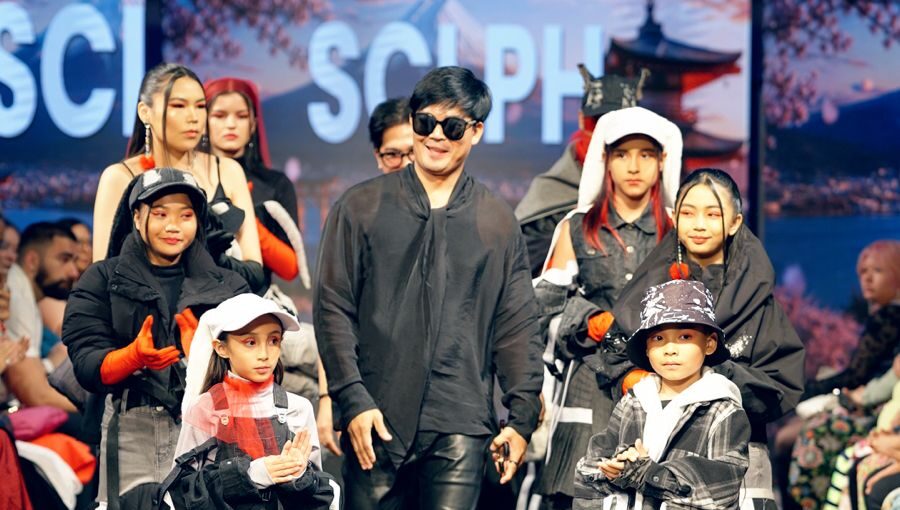
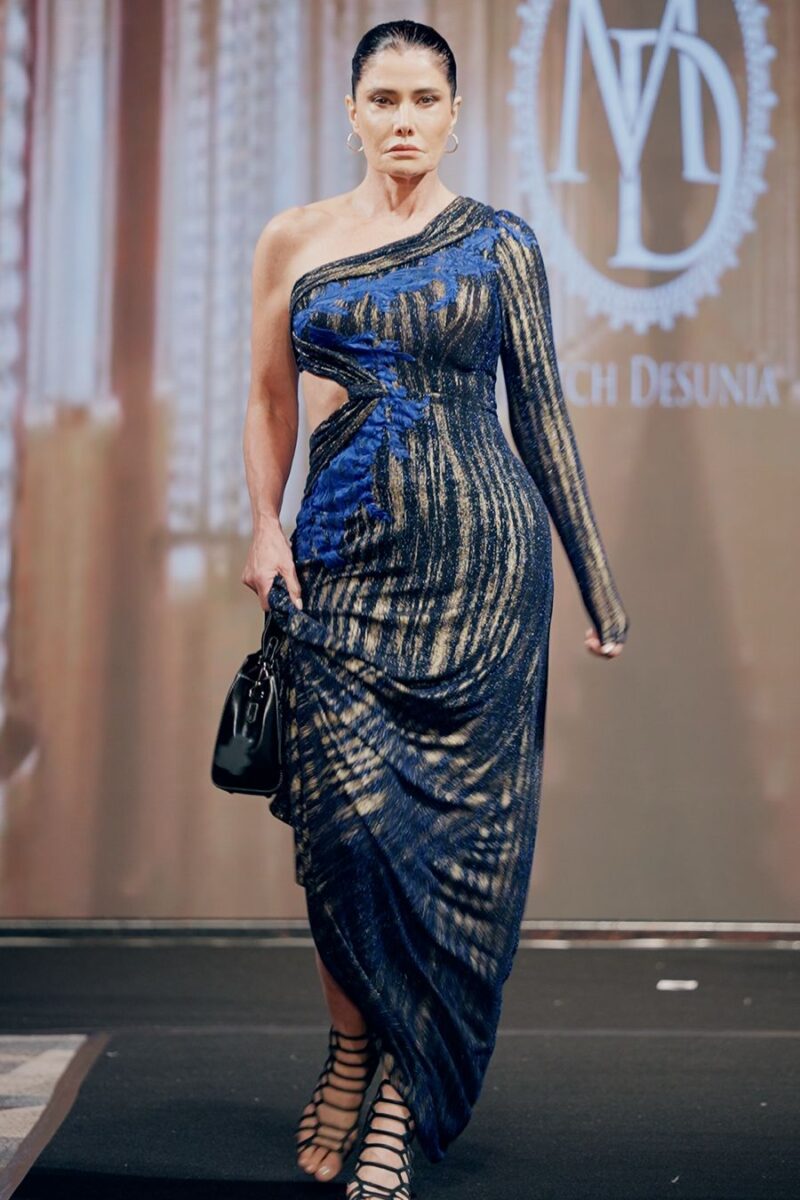
The international segment opened the main showcase with a roster drawn across continents. Mitch Desunia arrived from London, C. Lysias Designs and House of Willow from Canada, joined by Red Hummingbird Designs, Cool Kimono Crafts of Tokyo, Altrn8tv and Nita Belle’s Closet from the United States, SCI PH of Canada, and Yuna Style of Tokyo. The range ran from contemporary ready-to-wear to concept-driven work that treated the runway as a testing ground rather than a shop window, and the sequencing let those registers speak to one another rather than compete.
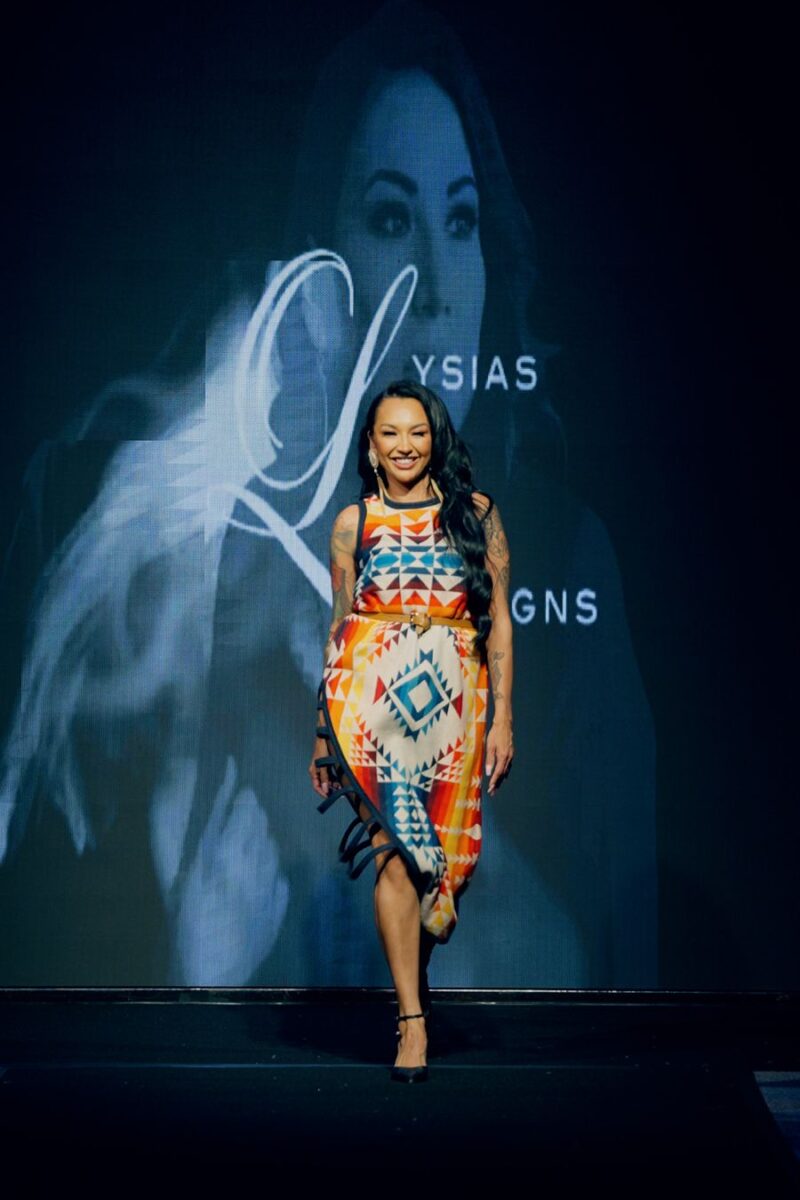
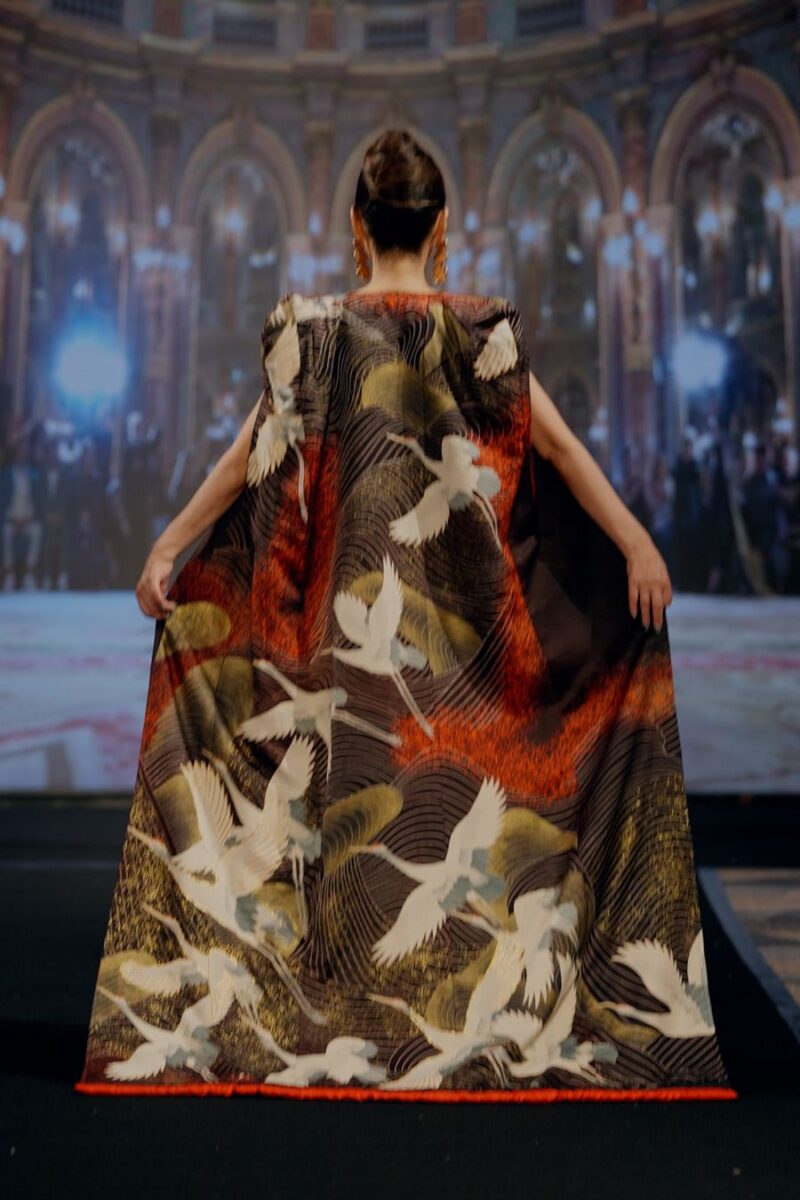
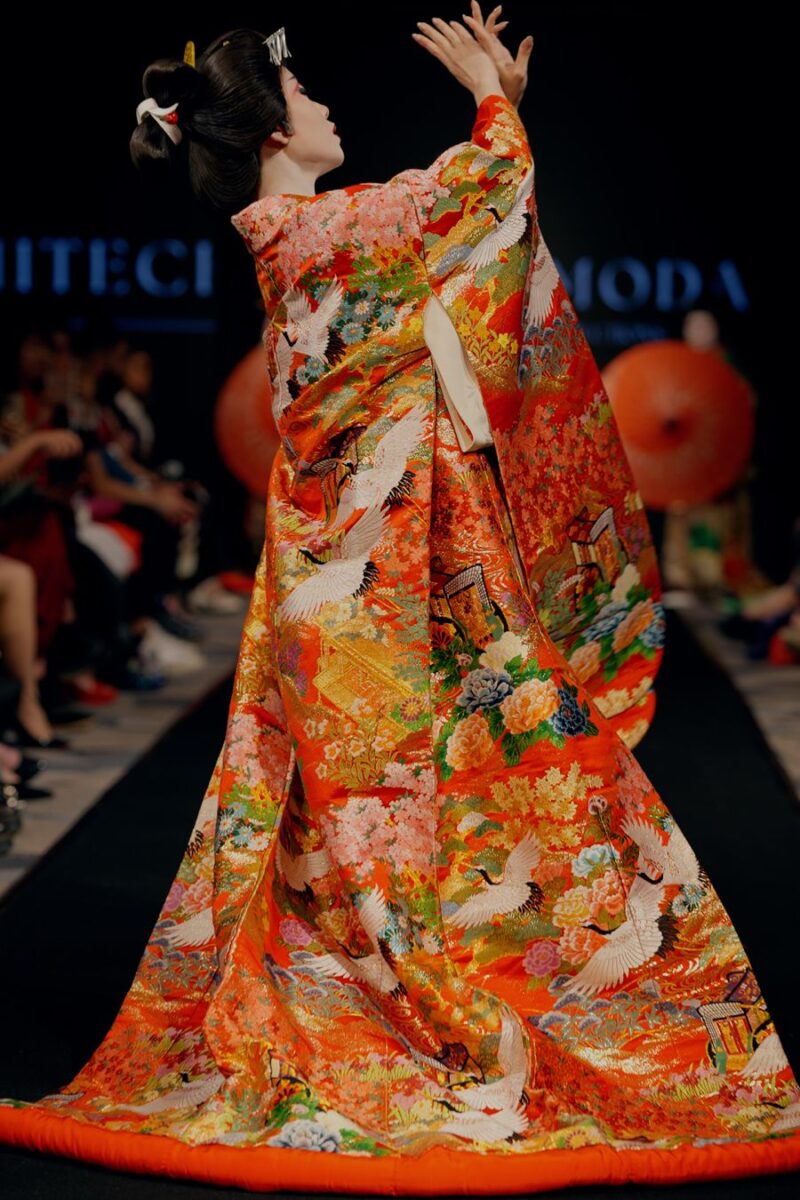
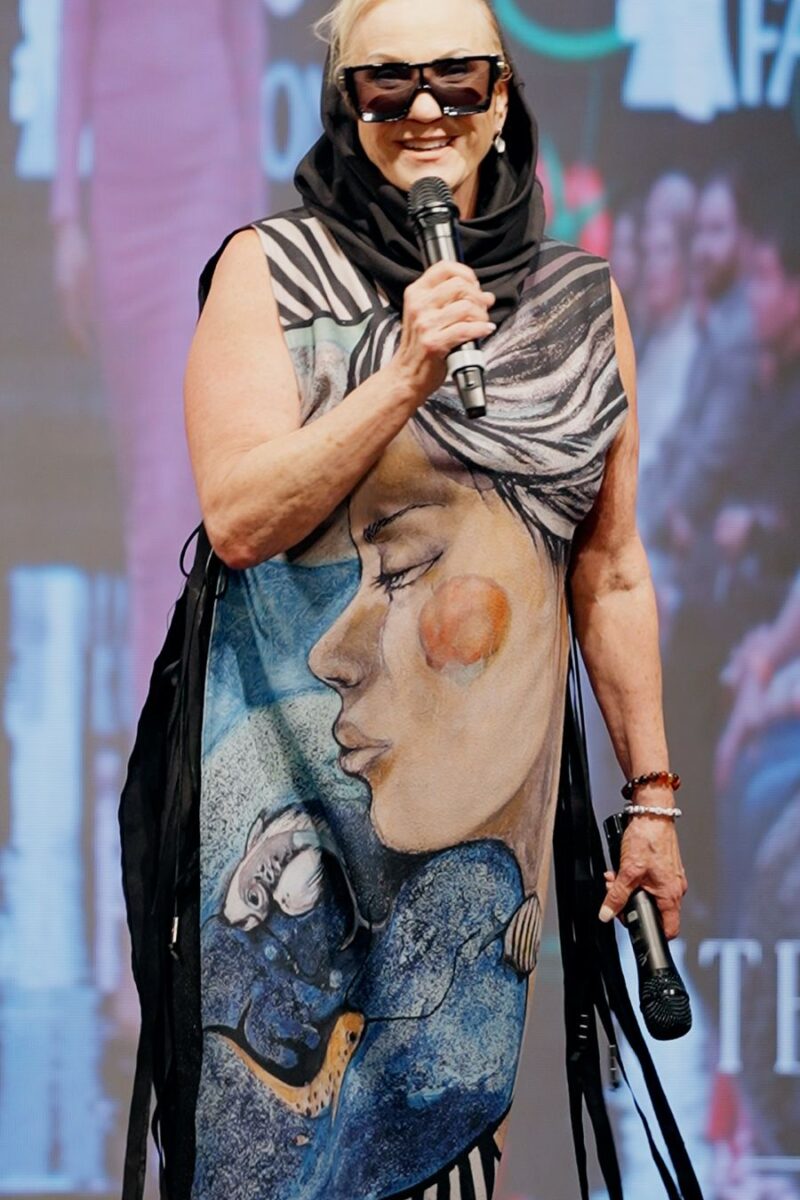
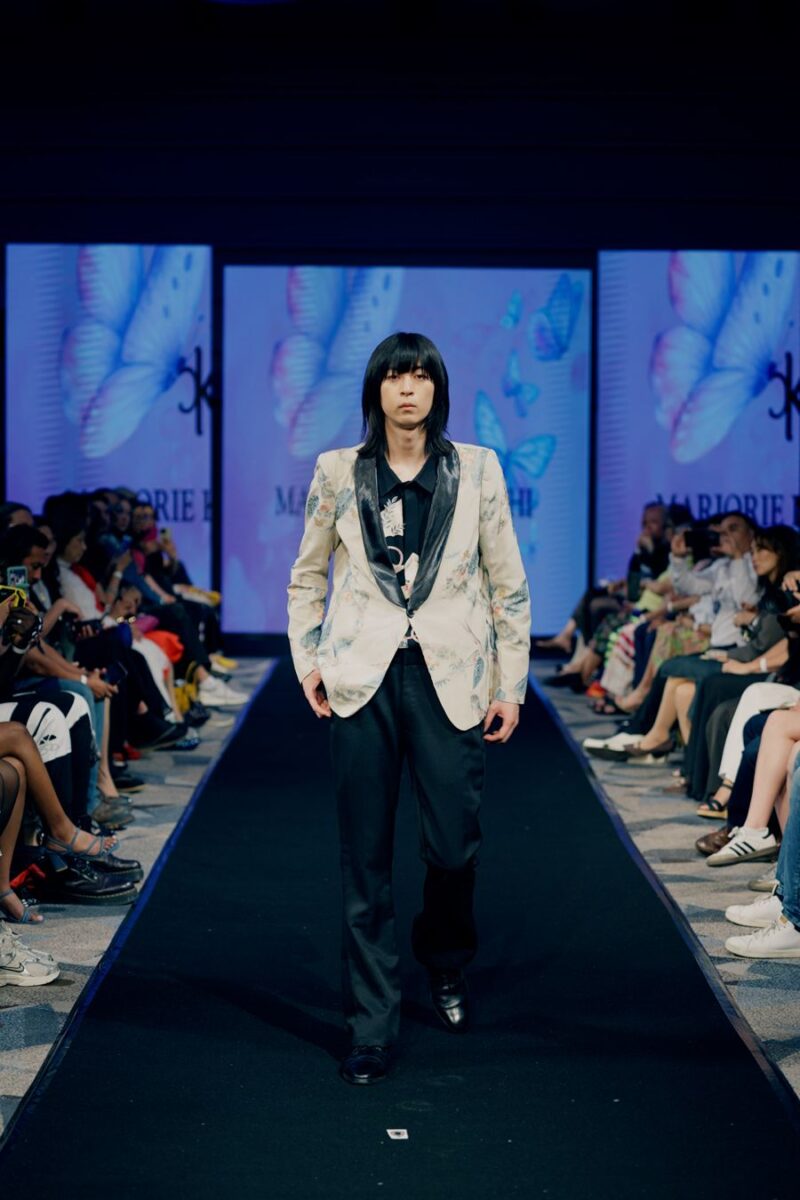
The evening then shifted into its cultural segment, where craftsmanship and identity took the foreground. Presentations came from The Bebia Cho Company, Designs by Star Cherie, Bineshii Creations, Rebekah Jarvey, Tracey Toulouse and Ally’s Ribbons, with additional performers contributing to an immersive presentation. The segment centered Indigenous and Native American design perspectives, work in which technique carries meaning and inherited practice sits alongside contemporary construction. Presenting that work in Tokyo, a city with its own deep relationship to handcraft and lineage, gave the pairing a resonance that would have read differently anywhere else.
Pamela Privette, founder and executive producer of hiTechMODA, framed the production in terms of access. “hiTechMODA was created to open doors and expand the definition of who belongs on the runway,” she said. “Tokyo gives us a remarkable opportunity to bring designers and cultural voices together in one of the world’s most dynamic fashion cities. This production is about fashion, but it is also about connection, respect, innovation, and the shared language of creativity.”
That framing explains the evening’s structure. The networking format that opened the night was not a preliminary to the real event; it was the argument in miniature, treating fashion as dialogue rather than declaration. Placing intricate handcrafted pieces on the same stage as forward-looking contemporary design proposed that these are not separate conversations, and that the distance between a personal narrative and a global one is shorter than the industry usually assumes.
hiTechMODA Productions has built an award-winning practice around exactly this premise, producing runway experiences that emphasize technology, sustainability and inclusivity while giving designers at every career stage a platform of genuine scale. Most fashion weeks operate on the logic of the gate. This one operates on the logic of the door, and in Tokyo it was propped open.