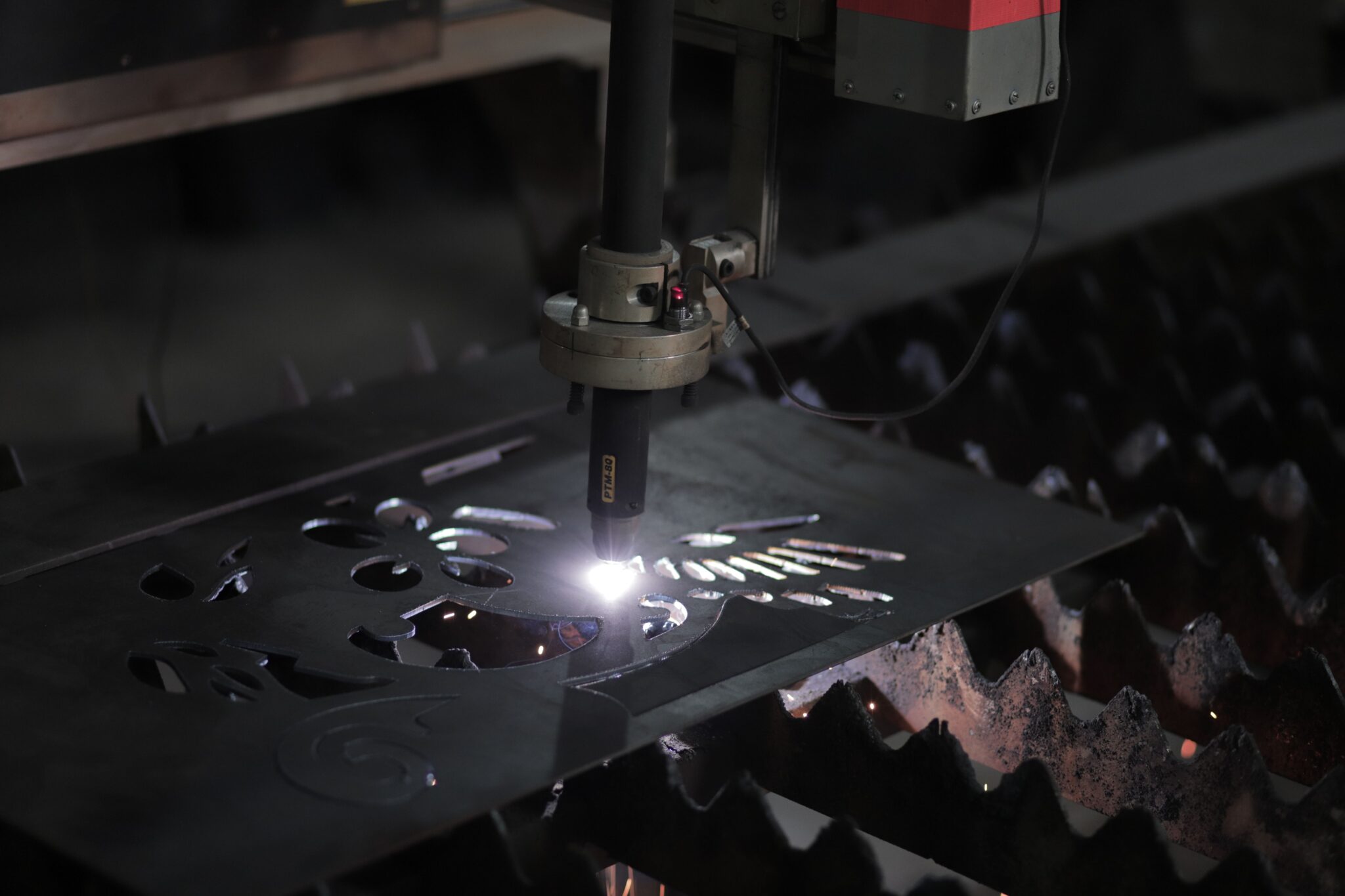
Fabrication shops are under more pressure than ever to cut faster, waste less material, and handle a wider range of jobs without adding new equipment for every material type. That pressure is exactly why so many shops have shifted toward water jet cutting over the past decade. Unlike many traditional cutting methods, water jet systems can process a wide variety of materials with exceptional precision while minimizing heat-related damage.
This flexibility allows manufacturers to improve workflow, reduce rework, and take on more complex projects without sacrificing quality or efficiency. Here’s a closer look at what makes this technology such a practical fit for modern fabrication work.
1. It Cuts Almost Any Material
Unlike laser or plasma cutting, which are limited by material type and thickness, water jet systems can cut metal, stone, glass, and composites with the same machine. That versatility reduces the need for multiple specialized tools on the shop floor.
For shops juggling varied client requests, having one machine capable of handling most jobs simplifies both scheduling and floor space planning, which frees up capital that would otherwise go toward multiple specialized machines.
This kind of versatility also makes it easier to say yes to unusual or one-off requests that would otherwise require outsourcing.
2. There’s No Heat-Affected Zone
Because water jet cutting doesn’t rely on heat, it avoids warping, discoloration, or hardening along the cut edge. This matters a lot for materials sensitive to temperature changes, where a heat-based method could compromise the final part.
- No thermal distortion on thin materials
- Cleaner edges that often need no secondary finishing
- Safe for heat-sensitive composites and layered materials
Skipping secondary finishing steps alone can save meaningful time across a high volume of parts, particularly for shops running tight production schedules.
That saved time can then go toward taking on additional jobs rather than reworking parts that didn’t come out right the first time.
3. Precision Stays Consistent Across Jobs
Modern systems can hold tight tolerances across long production runs, which matters for shops handling parts that need to fit together precisely. That consistency reduces scrap rates and rework, both of which quietly add up over time.
Fewer rejected parts also means fewer delays passed on to clients waiting on finished components, which strengthens long-term business relationships.
Shops that can consistently hit tight tolerances also tend to win more repeat business from clients in precision-sensitive industries.
4. It Reduces Material Waste
Efficient nesting software paired with a narrow cutting path means more parts per sheet of material. For shops working with expensive metals or stone, that reduction in waste can meaningfully affect overall project costs.
This efficiency is a big reason more fabrication businesses are investing in a water jet cutter instead of relying solely on older cutting methods that leave more material behind as scrap.
OMAX, a Hypertherm Company, notes that shops switching from older methods often see a noticeable drop in material costs within the first several projects.
Over the course of a year, those small savings per sheet tend to add up into a substantial reduction in overall material spend, especially for shops working with premium materials. That saved material can also be redirected toward additional jobs, effectively increasing shop capacity without any new equipment purchases.
5. It Handles Thick and Thin Materials Equally Well
Some cutting methods struggle once material thickness increases beyond a certain point. Water jet systems remain effective across a wide thickness range, which gives shops more flexibility without needing separate equipment for different job sizes.
This flexibility becomes especially valuable for shops that take on custom or one-off projects where material specs vary from job to job. Being able to quote a wider range of jobs with existing equipment also opens up new business opportunities that might otherwise require a specialized subcontractor. That broader capability tends to make a shop more competitive when bidding on larger or more varied contracts.
According to the U.S. Department of Energy, advanced manufacturing technologies like precision cutting systems play a growing role in improving efficiency and reducing waste across U.S. manufacturing operations.
Final Takeaway
As fabrication demands keep diversifying, having equipment flexible enough to keep up matters more than ever. For shops looking to reduce waste, improve precision, and take on a wider variety of jobs, this technology is worth serious consideration.
The upfront investment tends to pay for itself through reduced waste and fewer rejected parts well within the first year of regular use. For most shops, that return on investment makes the decision straightforward, especially as material and labor costs continue climbing across the industry.