AI continues to reshape not only the technology sector, but also the broader capital markets. A few years ago, venture capital investors were pouring money into SaaS services, marketplaces, and consumer applications. Today, capital is rapidly flowing into the infrastructure of the new economy — memory, computing power, robotics, and physical AI. Moreover, the scale of this redistribution is already beginning to resemble the largest investment cycles of recent decades.
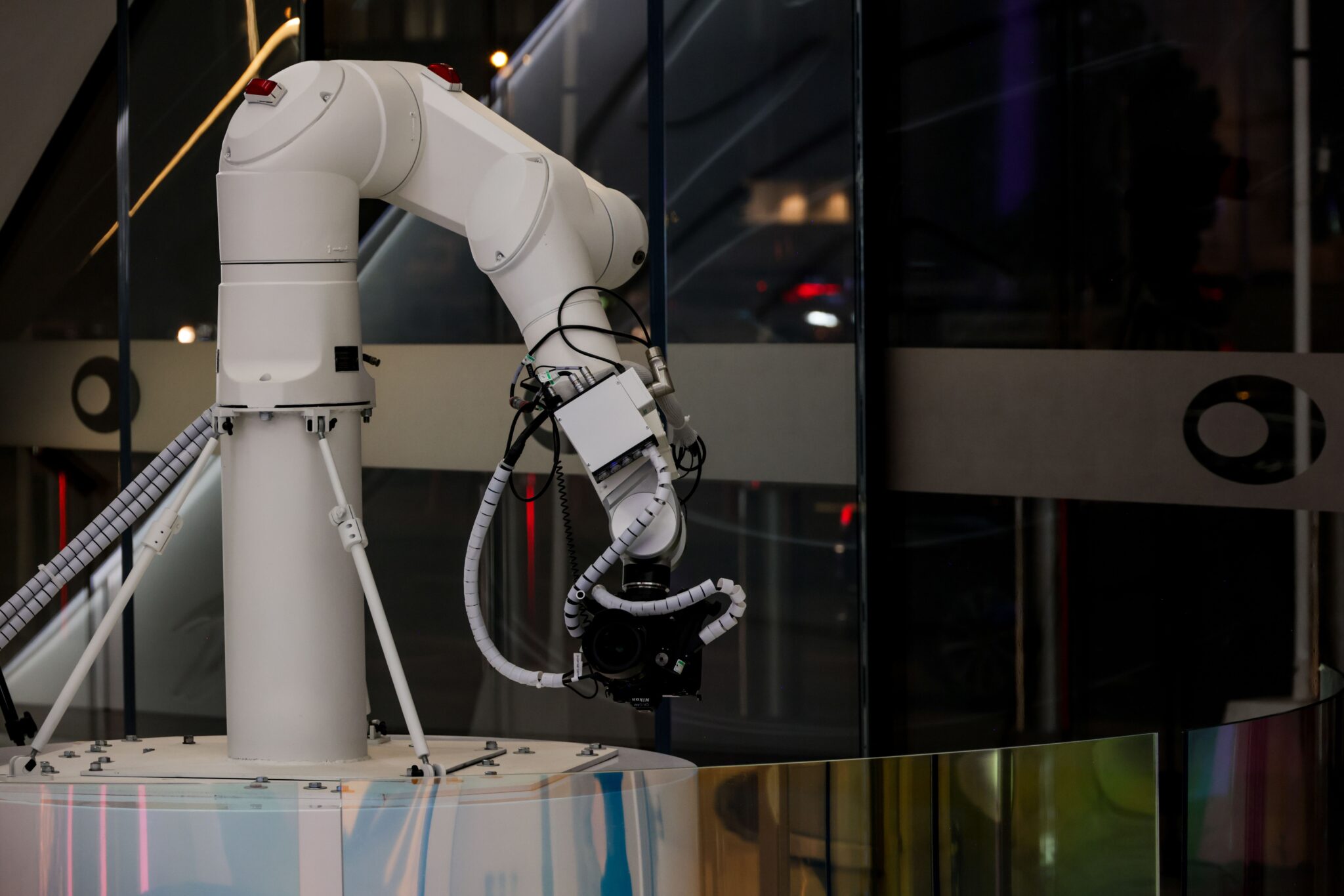
Investments in robotics and so-called physical AI increased from $4.2 billion in 2019 to $26 billion last year. In less than five months this year, investment volume has already exceeded $23 billion. A similar pattern is observed in the advanced computing segment, where companies developing AI chips, data center solutions, and quantum technologies have raised more than $20 billion since the beginning of the year alone.
The rationale behind this shift is becoming increasingly clear. Previously, software was the primary target of funding. Today, however, generative AI is beginning to perform some of the tasks for which many software startups were originally created. As a result, venture capital is increasingly looking for growth opportunities in AI infrastructure, from data centers and semiconductors to robots and industrial equipment.
Notably, even investors who previously focused on entirely different sectors are now joining this trend. Jeff Bezos supported Project Prometheus, which develops AI systems for modeling the real world, while Uber co-founder Travis Kalanick invested in Atoms, a company that creates robots for industry, logistics, and the extractive industries.
At the same time, the market is becoming less tolerant of companies that have failed to adapt to the new AI reality. More than 220 American startups that were once considered unicorns with valuations of over $1 billion have already lost more than half of their value.
In effect, AI is creating not only a new generation of winners, but also a new category of losers. More than $250 billion of investments directed at OpenAI and Anthropic ahead of their upcoming IPOs are pulling liquidity away from other segments of the venture capital market. Many startups that flourished during the era of cheap capital and the pandemic boom now find themselves squeezed between technological disruption and valuation resets.
The transformation has been particularly painful for the enterprise software market. There are 75 SaaS companies among the underperformers. Their traditional per-user monetization models are beginning to look less resilient amid the rise of autonomous AI agents and automation tools. Moreover, modern AI-powered development tools enable smaller teams to build products faster and at a lower cost, further reducing the value of old business models and making many previous estimates unjustified.
While the venture capital market is undergoing a painful restructuring, investors are increasingly looking for assets that directly benefit from the AI infrastructure boom. And this is where the memory market becomes particularly interesting.
Until recently, memory manufacturers were viewed as classic cyclical businesses, highly dependent on fluctuations in demand for smartphones and PCs. However, the development of AI has dramatically changed the structure of the market. Today, memory is becoming one of the scarcest resources of the new computing era.
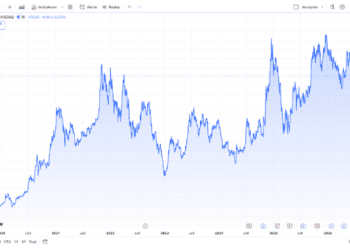
It is not surprising that the combined market capitalization of leading memory manufacturers such as Micron, Samsung, and SK hynix surpassed that of the world’s largest oil companies for the first time. Collectively, they are now worth about 22% more than the three leading oil giants, despite the continued dominance of Saudi Aramco.
It is also symbolic that memory is increasingly being compared to the oil of the digital age. If oil powered the industrial economy, memory increasingly powers the AI economy. Data center scaling is impossible without it, and therefore so is the continued growth of the artificial intelligence industry.
Long-term contracts are becoming another source of stability. Previously, memory was traded almost as an exchange-traded commodity with high price volatility, but now the largest customers are trying to secure supplies for years to come. Micron has already signed its first five-year agreement, Sandisk has signed several long-term contracts, and SK hynix openly acknowledges that demand over the next three years significantly exceeds its production capacity.
As a result, the industry is gradually shifting from a cyclical model to a more predictable revenue structure. As early as next year, up to 30% of memory shipments could be covered by long-term agreements, while some of the largest companies on the stock screener, including Microsoft, Google, and Amazon, have effectively reserved most of the world’s server memory production.
This creates a paradoxical situation. Venture capital is aggressively searching for the next major opportunity in robotics and physical AI, while public markets may still have not fully repriced the companies that already supply one of the most scarce and strategically important resources of the AI era.
And while software is gradually becoming a commodity thanks to AI itself, computing infrastructure, memory, robotics, and physical systems are becoming the new focal points for investment. Judging by current capital flows, that’s where investors see the next multi-trillion dollar market.