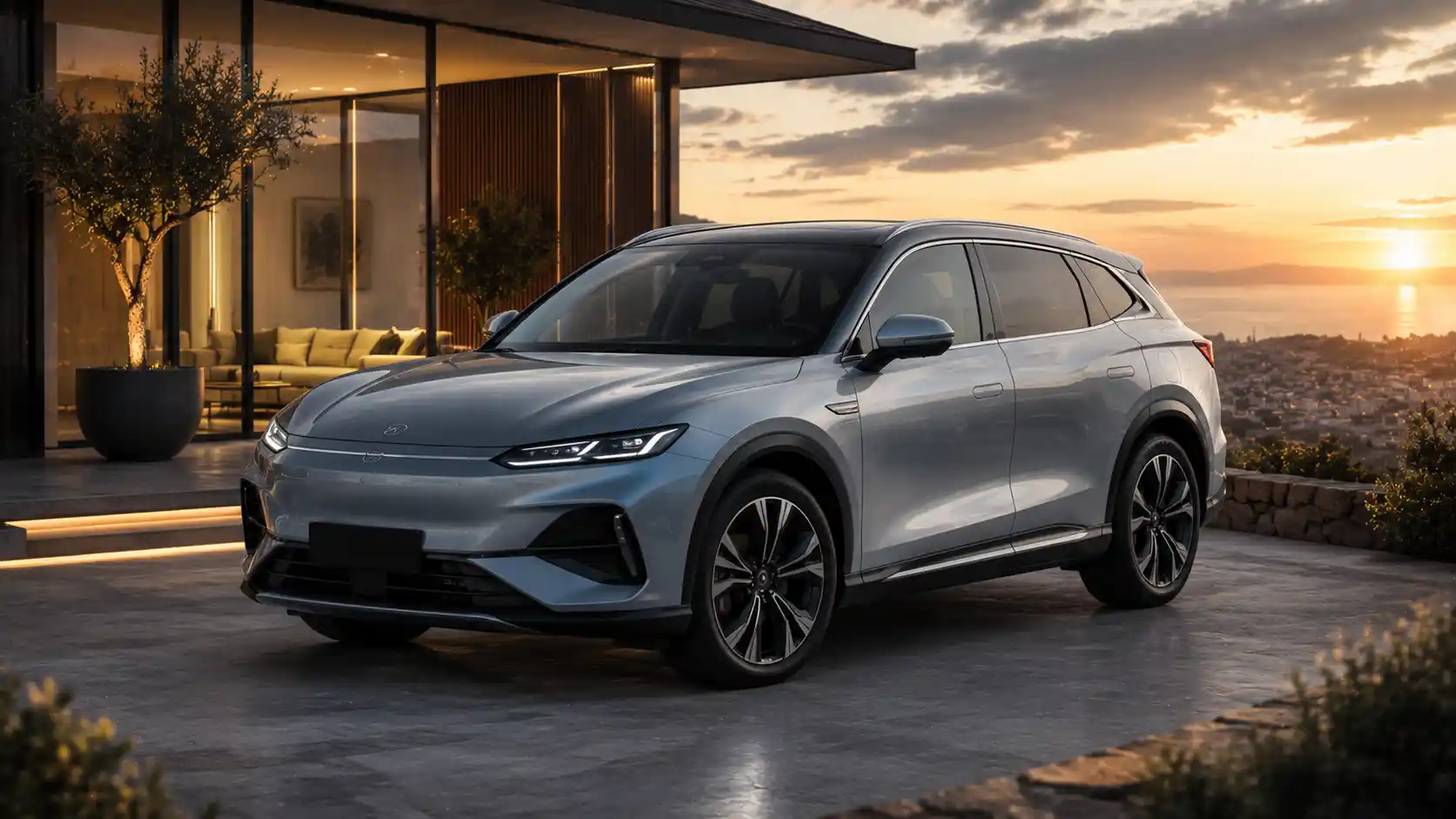
BYD Sealion has emerged as one of the most intriguing new entrants in the premium EV landscape, raising an important question for the automotive industry: can a Chinese manufacturer genuinely compete with Europe’s most established luxury SUV brands? As the BYD Sealion 7 expands into international markets, it is attracting buyers who once defaulted to German and Scandinavian marques, thanks to its blend of advanced technology, premium design, and competitive pricing.
The timing is significant. Europe’s automakers have long dominated the luxury electric SUV segment through decades of engineering excellence, strong brand equity, and loyal customer bases. Yet the market is changing rapidly. Electrification has reshaped vehicle development, software has become as influential as mechanical engineering, and consumers increasingly expect sophisticated digital experiences alongside premium craftsmanship. In this environment, innovation often carries as much weight as heritage.
BYD has recognized this shift and is positioning the Sealion family as more than another value-oriented EV. With technologies such as the Blade Battery, Cell-to-Body (CTB) construction, intelligent driver assistance, and a refined cabin, the company aims to challenge perceptions of what buyers should expect from modern premium mobility. Whether the Sealion can truly rival European luxury SUVs from BMW, Mercedes-Benz, Audi, Volvo, Porsche, and Genesis remains open to debate. What is beyond dispute, however, is that it has become one of the most closely watched products in the evolving global electric vehicle market.
The Rise of the BYD Sealion and BYD’s Premium Ambitions
BYD’s transformation is one of the automotive industry’s most remarkable success stories. Originally recognized as a battery manufacturer, the company has evolved into one of the world’s largest producers of electrified vehicles, supported by extensive investments in research, manufacturing, and vertical integration.
Unlike many competitors that source critical components from multiple suppliers, BYD develops many of its batteries, electric motors, semiconductors, and electronic systems internally. This integrated strategy gives the company greater control over quality, production efficiency, and technological innovation while helping contain manufacturing costs.
The Sealion lineup represents the next stage of that evolution. Rather than focusing solely on affordability, BYD has deliberately targeted buyers seeking premium design, advanced connectivity, and sophisticated engineering. The result is a vehicle intended to compete on capability rather than price alone.
This ambition reflects broader changes across the global automotive industry. Luxury is increasingly defined by digital intelligence, sustainability, and seamless user experience rather than traditional indicators such as engine size or brand history. BYD understands that winning premium customers requires more than competitive specifications—it demands a convincing ownership experience from purchase through long-term use.
As the company expands across Europe, Australia, Southeast Asia, Latin America, and the Middle East, the Sealion serves as both a flagship product and a statement of intent: Chinese manufacturers are prepared to compete directly with the world’s most respected automotive brands.
What Makes the BYD Sealion Competitive in the Luxury SUV Segment?
Premium buyers expect far more than impressive acceleration or long driving range. They look for craftsmanship, intuitive technology, refinement, and confidence that every aspect of the vehicle has been carefully considered.
The BYD Sealion addresses those expectations through a balanced package that emphasizes both innovation and usability.
Battery technology remains one of its greatest strengths. BYD’s proprietary Blade Battery has become a defining feature of the company’s electric vehicles, offering enhanced durability, efficient packaging, and a strong reputation for safety. Combined with Cell-to-Body construction, the battery becomes an integral structural component rather than simply a power source, contributing to rigidity and overall vehicle efficiency.
Digital technology also plays a central role. Large displays, connected infotainment, intelligent voice controls, and over-the-air software updates create an ownership experience that continues evolving after purchase. Increasingly, these capabilities matter as much to premium buyers as traditional performance metrics.
The Sealion further strengthens its position through:
- Premium-quality interior materials
- Spacious passenger accommodation
- Advanced driver assistance systems
- Intelligent energy management
- Fast charging capability
- Quiet electric refinement
- Comprehensive digital connectivity
These features allow BYD to compete in conversations traditionally dominated by European luxury manufacturers. Rather than attempting to imitate them, the company focuses on combining contemporary technology with practical everyday usability.
Importantly, the Sealion also benefits from BYD’s manufacturing scale. Vertical integration enables the company to deliver sophisticated technology at pricing levels that often remain below comparable premium competitors. That combination of value and innovation has become one of its most persuasive selling points.
Design, Technology, and the Premium Ownership Experience
Exterior styling communicates confidence without unnecessary extravagance. The Sealion’s flowing body lines, aerodynamic profile, slim LED lighting, and carefully proportioned stance project understated sophistication rather than overt aggression.
Inside, the cabin reflects changing definitions of automotive luxury. Clean surfaces, high-quality materials, supportive seating, ambient lighting, and expansive digital displays create an environment that feels contemporary rather than traditional. Instead of emphasizing complexity, the design prioritizes intuitive interaction and visual simplicity.
Technology sits at the center of the experience.
Key innovations include:
- Blade Battery architecture
- Cell-to-Body structural integration
- High-resolution digital cockpit
- Intelligent voice recognition
- Wireless smartphone connectivity
- Cloud-connected vehicle services
- Over-the-air software updates
- Advanced navigation systems
Safety remains equally important.
Driver assistance systems include:
- Adaptive cruise control
- Autonomous emergency braking
- Lane-centering assistance
- Blind-spot monitoring
- Rear cross-traffic alert
- Driver attention monitoring
- 360-degree surround-view cameras
- Intelligent parking assistance
These technologies work together to reduce driver workload while enhancing confidence during everyday driving.
Ride quality further reinforces the premium positioning. Electric propulsion delivers smooth acceleration, minimal vibration, and exceptionally quiet operation. Meanwhile, careful suspension tuning emphasizes comfort without sacrificing body control, creating the refined character expected from a modern premium SUV.
The ownership experience also extends beyond the vehicle itself. Over-the-air updates enable software improvements throughout the vehicle’s lifecycle, while connected services continue adding functionality over time. Increasingly, this ongoing digital evolution has become an essential part of premium ownership.
| BYD Sealion Feature | Luxury Buyer Benefit | Competitive Advantage |
|---|---|---|
| Blade Battery | Enhanced safety and durability | Industry-leading battery innovation |
| Cell-to-Body construction | Greater rigidity and efficiency | Improved structural integration |
| Premium digital cockpit | Sophisticated user experience | Modern software-first cabin |
| Intelligent driver assistance | Increased confidence and convenience | Comprehensive active safety package |
| OTA software updates | Vehicle improves after purchase | Supports software-defined ownership |
The significance of these features extends beyond individual specifications. Together, they demonstrate how luxury is increasingly shaped by intelligent engineering, digital connectivity, and thoughtful usability rather than by traditional prestige alone. That shift provides the context for understanding how the BYD Sealion measures up against Europe’s most respected luxury electric SUVs.
How the BYD Sealion Compares With Europe’s Luxury SUV Leaders
Any assessment of the BYD Sealion must consider the formidable competition it faces. European manufacturers have spent decades refining their premium SUV offerings, building reputations based on engineering excellence, driving dynamics, and brand prestige. Yet electrification has created a more level playing field, allowing newer entrants to compete through software, battery technology, and intelligent vehicle architecture.
The BMW iX3 appeals to drivers seeking balanced handling, refined interiors, and the familiarity of BMW’s premium ownership experience. The BYD Sealion counters with advanced battery integration, competitive pricing, and a feature-rich cabin that delivers strong value without compromising on sophistication.
The Audi Q6 e-tron showcases Audi’s expertise in digital interfaces, cabin quality, and electric platform development. While Audi retains an advantage in brand recognition, the Sealion narrows the gap by offering impressive technology, premium materials, and an integrated battery system at a more accessible price.
The Mercedes-Benz EQE SUV emphasizes luxury, comfort, and advanced driver assistance. Its prestige remains a powerful draw, but the BYD Sealion demonstrates that intelligent connectivity, high-quality construction, and refined electric performance are no longer exclusive to legacy luxury brands.
The Volvo EX40 combines Scandinavian design with a strong reputation for safety. BYD answers with the Blade Battery, comprehensive driver assistance systems, and a spacious, technology-focused interior that appeals to buyers seeking modern luxury without the traditional premium price tag.
Meanwhile, the Porsche Macan Electric targets enthusiasts with engaging performance and exceptional chassis engineering. The Sealion does not attempt to replicate Porsche’s sporting character. Instead, it prioritizes balanced everyday usability, comfort, and ownership value—qualities that resonate with a broader audience.
These comparisons reveal that today’s premium SUV market is increasingly defined by technology, efficiency, and digital experiences rather than heritage alone. The BYD Sealion may not replace established European icons overnight, but it competes convincingly by redefining what luxury buyers can expect for their investment.
Can Brand Prestige Match Technological Innovation?
One of the biggest questions surrounding BYD’s expansion into Europe concerns brand perception.
Luxury purchasing decisions are often influenced by more than objective specifications. Heritage, reputation, dealership experience, and emotional connection continue to shape consumer preferences. Brands such as BMW, Mercedes-Benz, Audi, and Porsche have cultivated customer trust over generations, making them difficult competitors for any newcomer.
BYD approaches this challenge differently. Instead of relying on legacy prestige, it emphasizes engineering innovation, digital intelligence, and value. The company’s vertically integrated manufacturing model allows it to develop proprietary batteries, electric motors, and electronic systems while maintaining tight quality control.
For many buyers—particularly younger professionals and technology-focused consumers—this approach carries genuine appeal. Luxury increasingly reflects seamless digital experiences, intuitive software, and sustainable mobility rather than conventional status symbols alone.
Nevertheless, technological excellence does not automatically translate into premium brand equity. Long-term ownership satisfaction depends on factors such as:
- Reliable after-sales service
- Strong dealership networks
- Software stability and updates
- Warranty support
- Parts availability
- Customer trust
- Consistent product quality
These areas will ultimately determine whether BYD can establish itself as a lasting premium competitor across European markets.
| Luxury Electric SUV | Biggest Strength | Best Buyer Profile |
|---|---|---|
| BYD Sealion | Technology, battery innovation, and value | Buyers seeking premium features without traditional luxury pricing |
| BMW iX3 | Balanced driving dynamics | Drivers loyal to BMW refinement |
| Audi Q6 e-tron | Digital cabin and engineering | Technology-focused premium buyers |
| Mercedes-Benz EQE SUV | Luxury comfort and prestige | Executive buyers seeking maximum refinement |
| Volvo EX40 | Scandinavian safety and design | Families prioritizing safety and sustainability |
| Porsche Macan Electric | Performance and driving engagement | Enthusiasts wanting a premium electric SUV |
Rather than positioning itself as a direct replacement for these established models, the BYD Sealion introduces an alternative philosophy—one where intelligent engineering, battery innovation, and accessible pricing become central elements of modern luxury.
The Challenges and Opportunities Facing Chinese Luxury EV Brands
The rise of Chinese manufacturers represents one of the most significant shifts in today’s automotive industry. Companies like BYD have moved beyond competing on affordability and now challenge established brands through innovation, manufacturing efficiency, and software integration.
Yet significant obstacles remain.
Brand recognition varies considerably across international markets, and premium customers often value familiarity alongside technological capability. Building trust requires years of consistent product quality, dependable customer support, and strong ownership experiences.
Expanding dealership and service infrastructure presents another challenge. Premium buyers expect convenient maintenance, knowledgeable staff, and efficient after-sales care. Meeting those expectations across multiple regions demands substantial long-term investment.
Despite these hurdles, the opportunities are equally compelling.
Demand for electric vehicles continues growing as governments introduce stricter emissions regulations and consumers increasingly prioritize sustainability. At the same time, software-defined vehicles are changing expectations across every market segment. Buyers now evaluate infotainment systems, driver assistance features, connectivity, and over-the-air updates alongside traditional measures such as ride comfort or performance.
BYD enters this environment with notable strengths. Its expertise in battery technology, large-scale manufacturing capabilities, and integrated development process position it well for continued expansion. If the company successfully strengthens customer support and dealer networks, it could become one of the most influential global premium EV manufacturers over the coming decade.
Will the BYD Sealion Redefine Luxury Electric SUVs?
The BYD Sealion reflects a broader redefinition of luxury itself.
Historically, premium vehicles differentiated themselves through handcrafted interiors, powerful engines, and prestigious badges. While those attributes remain valuable, buyers increasingly place equal importance on intelligent software, sustainability, digital ecosystems, and advanced safety technologies.
The Sealion aligns closely with these changing priorities. Rather than emphasizing exclusivity alone, it focuses on delivering a comprehensive ownership experience built around innovation, comfort, connectivity, and efficiency.
Its success also illustrates how rapidly the automotive industry is evolving. Battery technology now influences vehicle packaging, safety, structural rigidity, and performance. Software updates allow continuous improvements after purchase. Connected services transform vehicles into evolving digital platforms rather than static products.
As these trends accelerate, the distinction between mainstream and premium segments may become increasingly blurred. Manufacturers capable of integrating technology intelligently while maintaining competitive pricing are likely to shape the future of the luxury SUV market.
Unique Insight
The BYD Sealion represents more than another premium electric SUV entering an already crowded marketplace. It symbolizes a broader transformation in how luxury is defined and delivered.
Chinese automakers are no longer competing primarily on cost. Instead, they are influencing global automotive development through battery innovation, software integration, intelligent safety, and highly efficient manufacturing. The Blade Battery and Cell-to-Body architecture demonstrate how engineering advances can reshape industry expectations rather than simply matching existing standards.
Equally significant, software, connectivity, and ownership experience have become key differentiators alongside performance and design. Buyers increasingly evaluate digital ecosystems, charging convenience, and over-the-air updates as carefully as they assess cabin materials or acceleration figures.
Still, long-term success will depend on more than technology. Customer trust, reliable dealer support, responsive after-sales service, software maturity, and sustained brand equity will ultimately determine whether BYD secures a lasting position alongside Europe’s luxury manufacturers.
The Sealion’s greatest opportunity is therefore not replacing Europe’s premium brands overnight. Instead, it lies in redefining what modern buyers expect from a luxury electric SUV by combining innovation, intelligent mobility, premium quality, and compelling value into a single platform.
Conclusion
The BYD Sealion has established itself as one of the most credible challengers to Europe’s luxury electric SUV leaders by combining advanced battery technology, premium design, intelligent connectivity, and competitive pricing. Although established manufacturers such as BMW, Mercedes-Benz, Audi, Volvo, and Porsche continue to benefit from decades of brand prestige and loyal customer bases, the competitive landscape is changing rapidly.
Rather than relying solely on affordability, the BYD Sealion demonstrates that innovation, software-defined mobility, and engineering excellence can create genuine alternatives within the premium segment. If BYD continues strengthening its dealer network, customer support, and long-term brand reputation, the Sealion has the potential to become a defining force in the future of luxury SUVs.
Frequently Asked Questions
What is the BYD Sealion?
The BYD Sealion is a premium electric SUV developed by BYD, featuring advanced battery technology, intelligent software, and modern design.
Is the BYD Sealion considered a luxury electric SUV?
Yes. Its premium interior, advanced driver assistance systems, connected technology, and refined driving experience position it within the luxury electric SUV segment.
Which European SUVs compete with the BYD Sealion?
Key competitors include the BMW iX3, Audi Q6 e-tron, Mercedes-Benz EQE SUV, Volvo EX40, and Porsche Macan Electric.
What makes the BYD Sealion different from European luxury SUVs?
It combines proprietary battery technology, competitive pricing, intelligent connectivity, and extensive standard equipment while challenging traditional ideas of premium value.
Does the BYD Sealion use BYD’s Blade Battery?
Yes. The Blade Battery is one of the Sealion’s defining technologies, offering enhanced safety, durability, and structural efficiency.
Is the BYD Sealion available in Europe?
BYD continues expanding its European presence, with the Sealion being introduced in an increasing number of regional markets.
How does the BYD Sealion compare with the BMW iX3?
The Sealion emphasizes technology, battery innovation, and value, while the BMW iX3 retains advantages in brand heritage and established ownership experience.
Is the BYD Sealion good value for luxury SUV buyers?
Yes. It offers premium features, intelligent safety, and advanced EV technology at pricing that is often highly competitive within the segment.
What challenges does BYD face in Europe’s luxury market?
Building long-term customer trust, expanding dealership networks, supporting after-sales service, and strengthening brand recognition remain key priorities.
Can the BYD Sealion become a serious rival to European luxury SUVs?
Yes. BYD Sealion has the technology and product quality to compete, although long-term success will depend on ownership experience, customer confidence, and sustained global brand development.