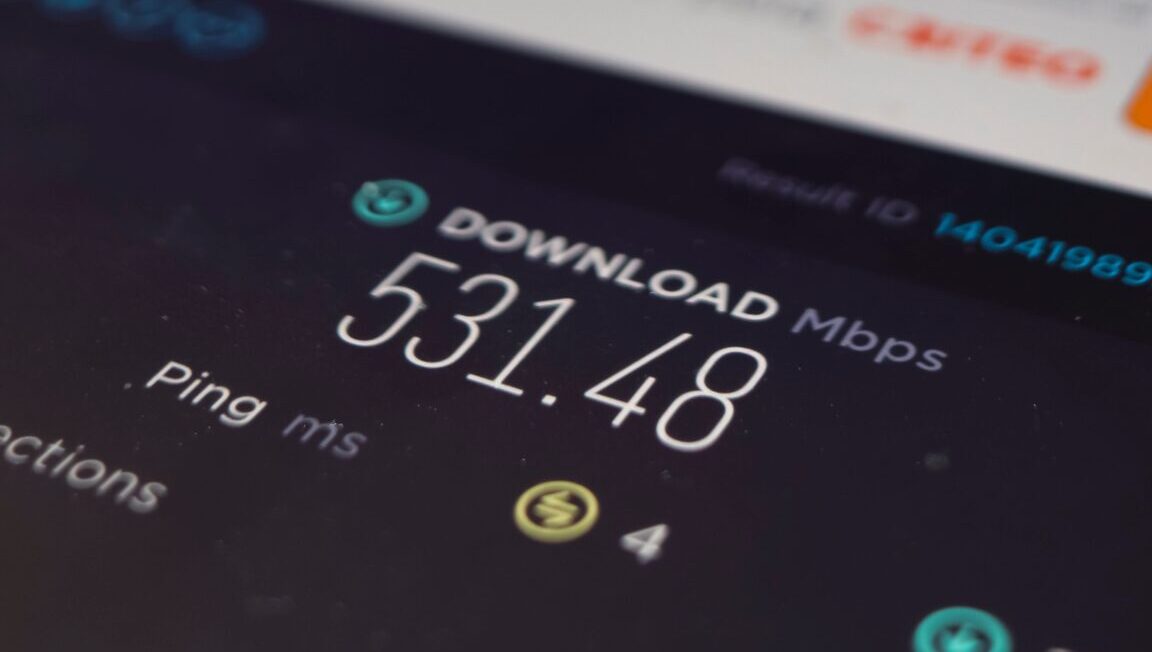
Remote communities judge progress by usefulness. A stronger connection can mean fewer missed appointments, shorter errands, steadier schoolwork, and quicker contact with essential offices. Where weather, fuel costs, and long roads shape daily choices, speed carries real value. Faster service helps households protect time, reduce stress, and keep routines moving when distance already asks more from our families.
Distance Changes Demand
In Interior Alaska, online access often fills gaps left by limited storefronts, seasonal travel, and long service routes. Reliable Fairbanks internet helps residents compare costs, submit documents, check road conditions, reach repair teams, and handle routine accounts without building a day around one task. That difference can be practical, quiet, and immediate.
Work Gets More Productive
Remote work needs a stable upload speed, low delay, secure sign-ins, and clear video. Without that base, talent can leave even when local roots remain strong. Better service lets accountants, designers, coordinators, and tradespeople handle more duties from home or a small office. Employers benefit as well, since hiring can include skilled residents who prefer staying near family.
School Feels Fairer
Slow service can turn homework into a technical problem. A student may know the material yet miss a deadline because a file stalls. Improved access supports live lessons, research databases, recorded lectures, and teacher messages. Parents can review grades, answer school forms, and help with assignments without waiting for quiet network hours. That steadiness protects learning time.
Health Access Improves
Healthcare depends on timing, clear records, and early questions. Faster internet can support virtual visits, refill requests, lab portals, and follow-up notes after an appointment. Digital care cannot replace hands-on exams, imaging, or emergency treatment. Still, it can prevent unnecessary travel, help clinicians review symptoms sooner, and give patients a safer path for routine concerns.
Local Stores Compete
Small businesses in remote regions manage freight delays, narrow margins, and irregular demand. Stronger service helps owners track inventory, process payments, update listings, and answer customer questions before sales drift elsewhere. Vendors also become easier to compare. A shop can review shipping windows, adjust orders, and tell customers what is available now. That clarity keeps more spending inside the community.
Home Life Shifts
Daily convenience often arrives in modest forms. Families can pay bills, renew licenses, back up photos, stream lessons, and manage home systems with fewer interruptions. Shared homes need sufficient capacity to handle overlapping tasks. One person may attend class while another joins a work call, and a caregiver checks a patient portal. Speed reduces friction during those ordinary overlaps.
Public Services Move Faster
Many public services now begin online. Permit forms, benefit applications, tax records, school notices, and meeting agendas all depend on workable access. When connections improve, residents can finish paperwork before offices close or weather changes plans. Libraries, clinics, schools, and municipal teams can also publish updates sooner. Clearer communication helps people make informed choices without repeated trips.
Safety Becomes More Practical
Safety in remote areas is often about minutes. Weather alerts, outage reports, wildfire updates, and travel notices become more useful when they arrive quickly. A stable connection can also support cameras, medical monitoring devices, backup communication plans, and coordination during storms. It does not remove risk from distance, darkness, or ice. It gives households more information when judgment matters.
Communities Remain Connected
Internet speed can strengthen community ties without weakening local identity. Elders can join video calls. Artists can sell work outside town. Local groups can share event details, recordings, language resources, and oral histories. That contact matters during winter, illness, caregiving, or busy work seasons. People remain connected to family, faith, classes, and civic meetings even when travel is hard.
Growth Needs Planning
Speed numbers alone do not solve access problems. Affordability, working devices, repair support, and basic digital skills shape the final result. Communities gain more when planning includes schools, clinics, businesses, tribal offices, and residents. Each group sees different pressure points. A shared view helps infrastructure align with lived needs, including education, care, commerce, safety, and public services.
Conclusion
Faster internet changes remote life by lowering the daily cost of living far away. Work can stay closer to home, students receive steadier tools, patients gain better access to routine care, and local businesses respond with greater precision. The greatest benefits appear in ordinary moments, such as finished forms, clear calls, timely alerts, and fewer wasted hours. Better access helps our communities remain independent while staying connected.