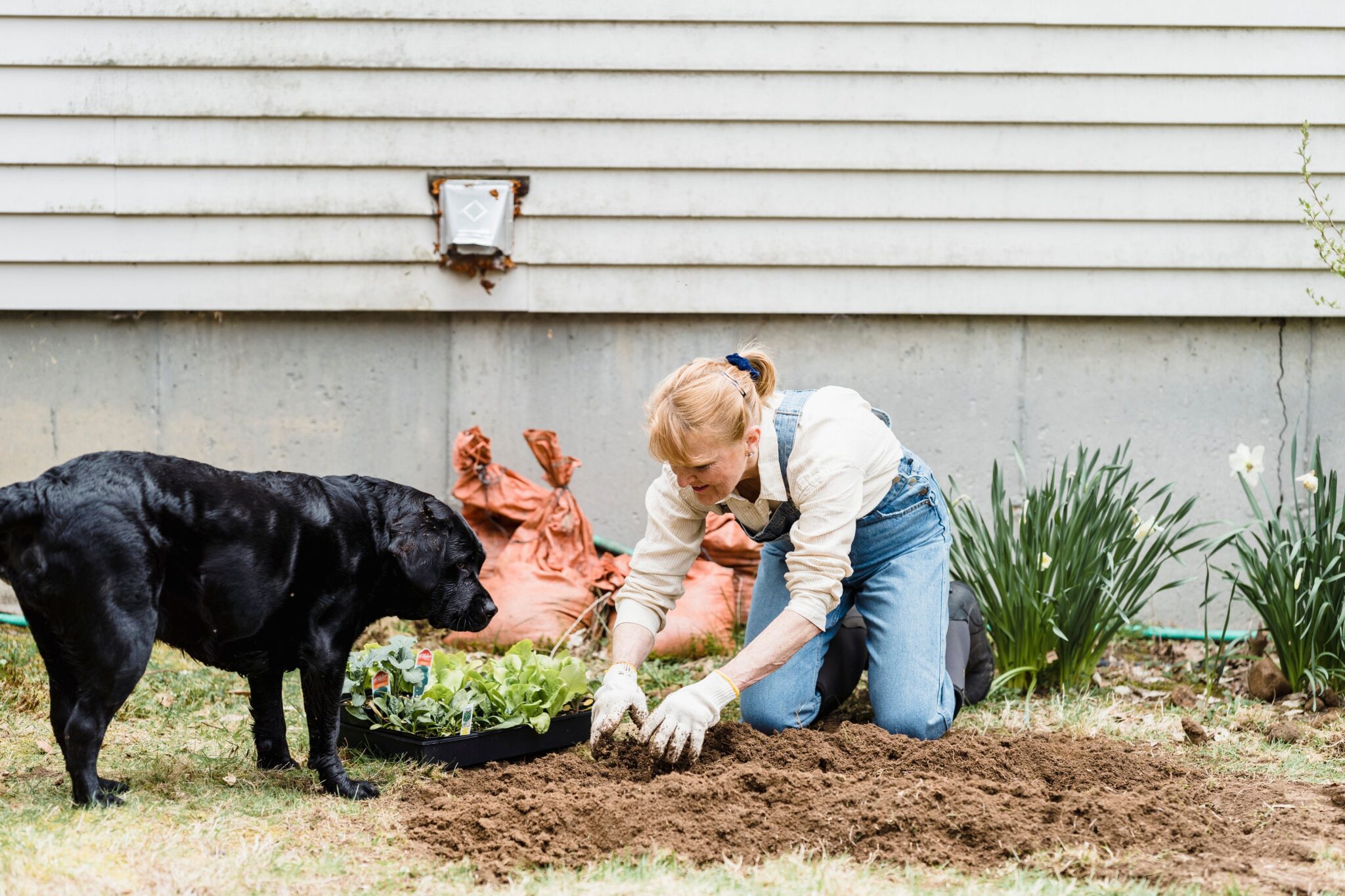
A yard pocked with holes is usually a symptom, not defiance. Dogs dig to cool their bodies, follow odor trails, drain nervous energy, hide prized items, or seek escape. Breed history can add more pressure. Terriers and sled breeds often need stronger outlets than quiet companion dogs. Progress starts with cause, then pairs management with rewards. That approach protects turf while respecting a dog’s normal drives.
Find the Real Trigger
Owners should note the time, weather, location, and body language before each hole appears. Fence-line digging suggests escape interest, while shallow pits under shrubs often signal heat relief. A focused guide on how to stop dog from digging in yard should begin with observation, because treatment works best when it matches the reason.
Burn Extra Energy
Unused physical energy often turns into soil work. Brisk walks, fetch, tug, and controlled chasing games help drain that drive before yard time. High-energy dogs may need several short sessions, spaced throughout the day. Movement also supports lean muscle, joint range of motion, and deeper rest. Better sleep can make outdoor behavior easier to guide.
Add Brain Work
A busy nose can quiet restless paws. Puzzle bowls, scent trails, treat searches, and brief cue practice give the nervous system useful work. Toys should rotate, since novelty keeps interest higher. Many dogs dig because the yard offers the most exciting task available. Change that menu, and the habit often weakens.
Block Favorite Spots
Certain surfaces almost invite digging. Loose soil, fresh mulch, bare turf, and damp corners give paws quick feedback. Cover repeat sites with pavers, dense groundcover, flat stones, or temporary panels. Refilled holes need firm packing, since soft ground can trigger another attempt. Repair should remove the reward, not just hide the damage.
Create a Dig Zone
Some dogs need permission to dig somewhere appropriate. A sand pit, soil box, or marked corner can spare the rest of the lawn. Bury toys close to the surface at first, then praise every correct choice. Training works faster when the approved area feels distinct, smells interesting, and stays easy to access.
Keep It Clear
Borders matter. Pavers, edging, or a low rail help define the allowed space, so the dog can tell where digging pays.
Improve Shade and Comfort
Heat is a common medical trigger for digging. Dogs may scrape soil to reach cooler ground and reduce body temperature. Shade sails, trees, raised cots, cooling mats, and constant access to clean water can reduce that need. Outdoor sessions should be shorter during high heat. Morning and evening play usually protects paws, breathing, and hydration.
Secure Fence Lines
Fence digging can point to prey drive, separation stress, social frustration, or a learned escape route. Lay wire flat below the surface, add pavers along the base, or install a buried barrier. Visual triggers also matter. Blocking views of wildlife, walkers, or neighboring pets may reduce arousal before digging starts.
Reward Better Choices
Good timing changes behavior. When a dog steps away from a tempting patch, the reward should arrive immediately. Calm redirection is more effective than scolding after the hole exists. Punishment may raise stress and push digging into unsupervised moments. Clear cues, steady routines, and shared family rules make training easier to repeat.
Avoid Risky Deterrents
Strong odors, hot spices, and harsh sprays can irritate paws, eyes, lips, and nasal tissue. Some dogs lick them anyway, which adds digestive risk. Physical barriers and reward-based training are safer first steps. Any commercial repellent should be labeled pet-safe and used exactly as directed. Fear, pain, or panic should never be part of yard training.
Match Breed Instincts
Breed history shapes digging intensity. Terriers were developed to pursue animals underground, while dachshunds have a long-bodied build suited to burrowing. Huskies may dig cooling beds or escape routes. These instincts do not make damage unavoidable. They mean enrichment, supervision, scent games, and an approved dig site may need greater priority.
Conclusion
A clean yard comes from reading the dog, not fighting instinct. Boredom, heat, anxiety, prey interest, and escape attempts each call for a different plan. Exercise, scent work, barriers, shade, fence security, and prompt rewards work best when coordinated as a routine. Once the cause is clear, training becomes kinder and more precise. With steady follow-through, most families can protect grass and keep outdoor time healthy.