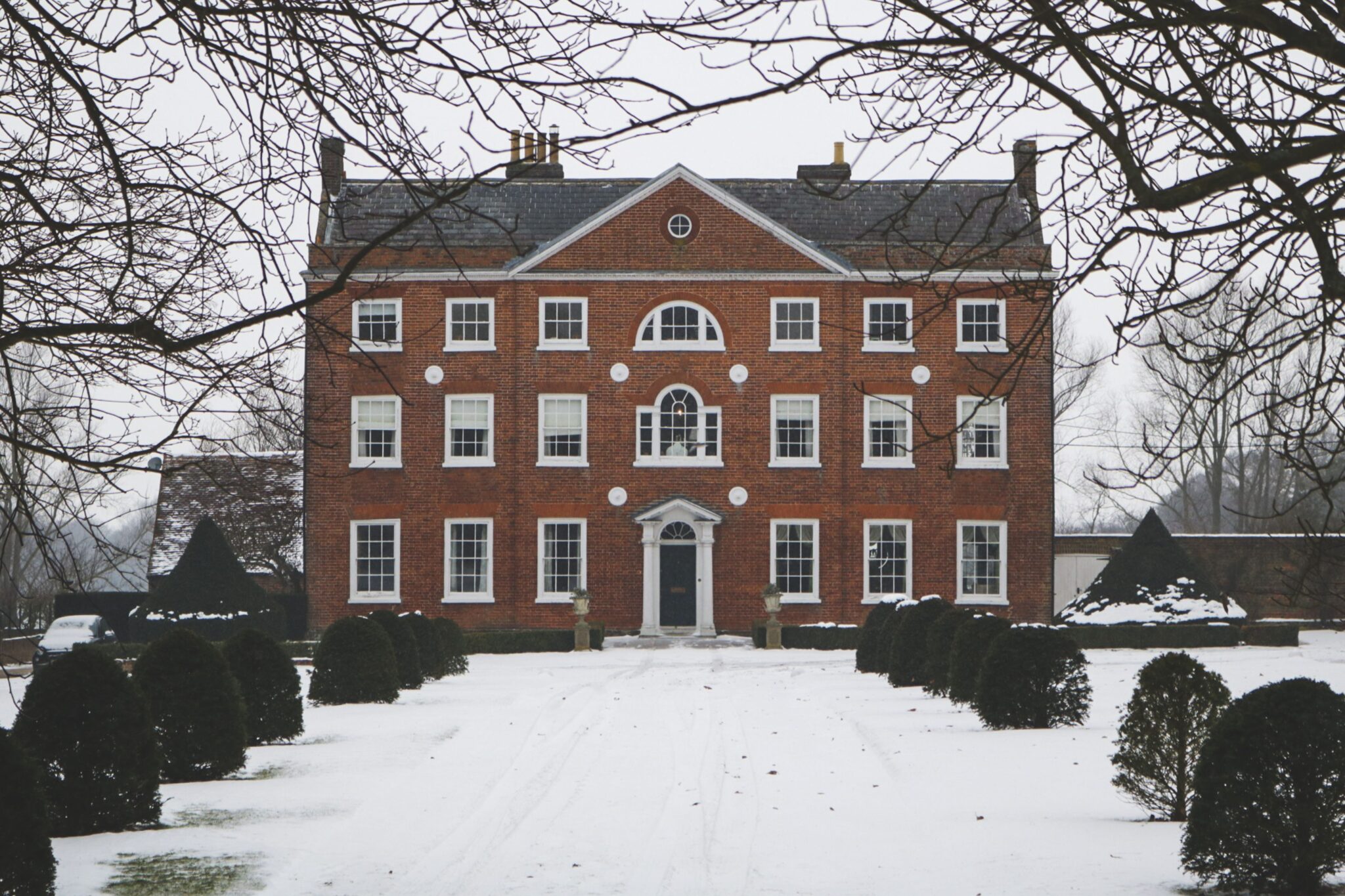
Large homes require a lot of energy to stay comfortable during the colder months. Managing the indoor climate across thousands of square feet presents a unique set of management problems. Property owners frequently face massive utility bills trying to keep every room warm.
Standard residential systems often fall short when applied to sprawling floor plans. Finding the right balance between comfort and energy conservation requires a deliberate approach. Modern technology provides several paths to optimize your property configuration.
Zoning Your Property Properly
Heating an entire mansion to a single temperature wastes a massive amount of energy. Most large estates contain guest wings or formal dining spaces that remain empty for weeks. Implementing a smart zoning system allows you to control separate areas independently.
Smart thermostats can adjust the temperature based on actual room occupancy throughout the day. Homeowners frequently rely on their heating services to map out the specific zones correctly. Professional calibration guarantees that every area receives the exact amount of warmth needed without wasting fuel.
Localized management keeps active living spaces comfortable, dialing back energy use in vacant quarters. You avoid paying to heat unoccupied square footage. The reduction in monthly utility bills can be substantial.
Upgrading To Variable Capacity Systems
Older HVAC units operate on an all-or-nothing basis, turning completely on or completely off. The constant cycling consumes a great deal of electricity and creates noticeable temperature swings. Modern variable-capacity systems adjust their output continuously to match the exact heating demand.
Industry data highlights how much energy advanced setups save over traditional models. A report from ACHR News shared that variable-capacity VRF systems are up to 40% more energy efficient than fixed-capacity options. Making the switch helps stabilize indoor temperatures and lowers power consumption.
The technology works by running at lower speeds for longer intervals. Steady operation eliminates the loud blasts of air associated with older systems. It creates a much more peaceful indoor environment for your family.
Evaluating Energy Expenses
Managing a large property means tracking multiple operational costs throughout the year. Home improvement experts track your spending patterns to help people budget better. A publication pointed out that heating and cooling remain one of the largest energy expenses in any home.
Recognizing the fact helps estate managers prioritize their mechanical upgrades. Investing in thermal efficiency yields a much higher return than aesthetic renovations. Lowering core operational costs increases the long-term value of the estate.
The financial reality forces a closer look at the physical structure of the building. Windows, doors, and insulation performance dictate how hard your equipment has to work. Addressing structural gaps protects your machinery from premature wear.
Implementing Geothermal Heating Solutions
Ground-source heat pumps offer an incredibly reliable alternative to conventional fuel burners. These setups leverage the constant temperature found just a few feet below the Earth’s surface. They move heat rather than creating it through combustion.
An article in HPAC Engineering explained that the Earth serves as a reliable and renewable heating source that replaces systems relying on combustible fossil fuels. The transition removes the need for regular oil or propane deliveries to the estate. It provides a clean, self-sustaining method to manage your indoor climate.
The initial installation requires drilling loops on the property grounds. Though the upfront cost is higher, the operational savings over the years cover the investment. The equipment lasts significantly longer than standard outdoor units.
Integrating Radiant Floor Heat
Forced-air systems often cause hot air to rise straight to the high ceilings found in grand estates. Radiant floor heating solves the issue by warming the room from the ground up. The method distributes warmth evenly across large rooms.
Choosing floor-based warmth offers several distinct benefits for large properties:
- It eliminates drafts and airborne dust particles.
- It operates completely silently beneath your flooring.
- It keeps stone and tile floors comfortable during winter.
The setup integrates perfectly with modern heat pumps. Walking across a warm floor creates a sense of comfort that air vents cannot match. It allows you to lower the thermostat a few degrees without feeling cold.
Securing The Thermal Envelope
High-efficiency machinery cannot do its job if heat escapes through the walls. Large estates often feature expansive glass windows and complex roof lines that leak air. Sealing the gaps prevents your expensive indoor air from leaking outside.
Adding insulation to attics and crawlspaces creates a barrier against the winter chill. Upgrading to triple-pane glass protects large viewing windows from heat loss. Structural improvements keep the load on your HVAC system manageable.
Regular maintenance checks keep the entire house airtight. Energy audits can pinpoint hidden leaks behind architectural details. Fixing issues keeps your heating equipment running at peak performance.
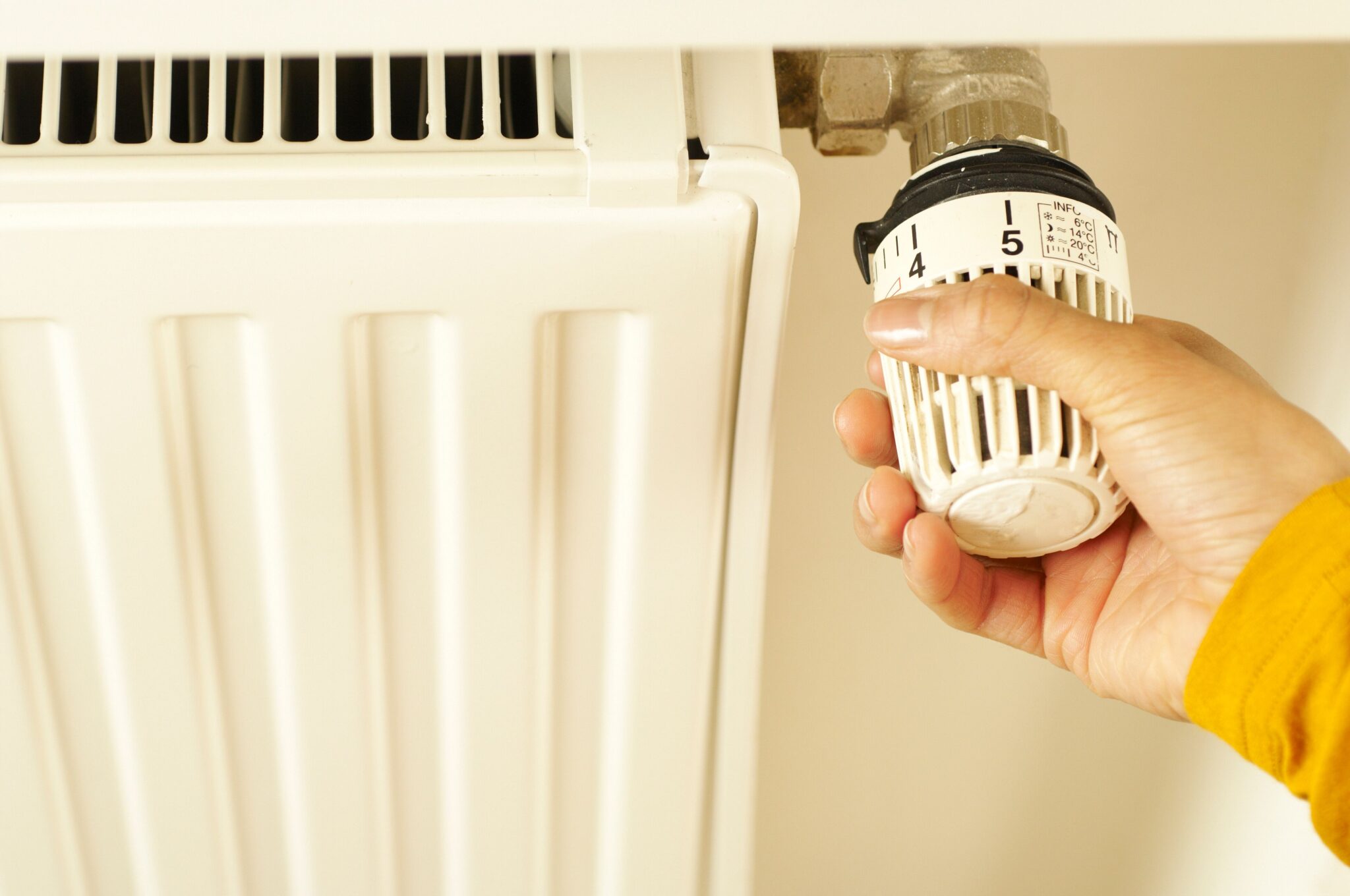
Maintaining a large estate requires smart strategies and modern technology. Upgrading your equipment and zoning your floor plan can lower your utility bills. Proper planning keeps every corner of your home comfortable.
Taking a comprehensive approach to thermal management protects your investment. Working with skilled professionals helps you choose the right options for your layout. Modern systems provide the perfect balance of luxury and efficiency.