The SpaceX trillion-dollar valuation narrative has become one of the most closely watched stories in global finance because it reflects more than investor excitement around rockets. Within capital markets, SpaceX increasingly represents a new category of infrastructure company one that combines transportation, communications, manufacturing, and long-duration technological ambition into a single operating system for the future economy.
When Elon Musk founded SpaceX in 2002, many analysts viewed the idea as unrealistic. Aerospace was capital intensive, government dominated, and notoriously difficult for new entrants. However, over two decades, SpaceX evolved from repeated launch failures into one of the world’s most influential private companies.
That transformation happened through disciplined capital deployment, vertical integration, reusable launch economics, and the creation of recurring revenue streams through satellite infrastructure. Moreover, the rise of mega-private companies and investor appetite for infrastructure-scale technology accelerated interest in SpaceX valuation growth.
Today, discussions around SpaceX are increasingly tied to institutional space investing, global connectivity, and the future architecture of economic expansion beyond Earth.
Elon Musk SpaceX Strategy: Building Beyond the Traditional Aerospace Model
SpaceX was never designed to compete only for launch contracts.
From the beginning, Elon Musk framed the company around reducing the cost of reaching orbit and eventually enabling large-scale human expansion beyond Earth. That vision shaped decisions that appeared financially irrational in the short term but strategically powerful over time.
The company’s early years tested survival.
Falcon 1 suffered multiple launch failures. Capital constraints intensified. Investors questioned whether private aerospace could compete against established contractors.
However, SpaceX survived because its operating philosophy differed from traditional aerospace.
Key strategic principles included:
- Vertical integration across manufacturing
- Faster engineering iteration cycles
- Lower launch cost structures
- Internal software and operational control
- Long-duration infrastructure investment
Consequently, SpaceX reduced dependency on external suppliers and accelerated innovation speed.
That strategic model became the foundation for future valuation expansion.
From Falcon Failures to Reusable Rocket Dominance
The breakthrough phase arrived with reusable rockets.
Historically, launch systems destroyed major hardware after every mission. SpaceX challenged that assumption.
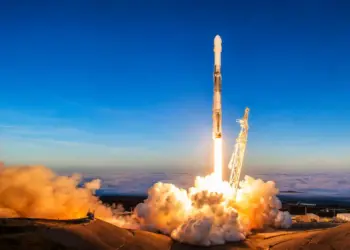
Falcon 9 introduced partial reusability and fundamentally changed rocket launch economics.
Instead of treating launches as custom industrial projects, SpaceX moved toward repeatable transportation economics.
Several effects followed:
- Reduced launch replacement costs
- Higher mission frequency
- Increased customer confidence
- Improved operating leverage
- Expanded commercial opportunities
Falcon Heavy extended those capabilities.
Meanwhile, launch cadence became a competitive advantage.
Traditional aerospace firms often optimized for contract cycles.
SpaceX optimized for operational repetition.
That distinction helped create private space company dominance and altered how investors valued industrial technology.
Reusable launch economics transformed SpaceX from an aerospace manufacturer into a transportation infrastructure platform.
Starlink Revenue Model: The Recurring Engine Behind Valuation Growth
Launches built capability.
Starlink introduced recurring economics.
Many investors believe the Starlink revenue model explains a large portion of long-term valuation expectations because subscription businesses behave differently from project-based aerospace revenue.
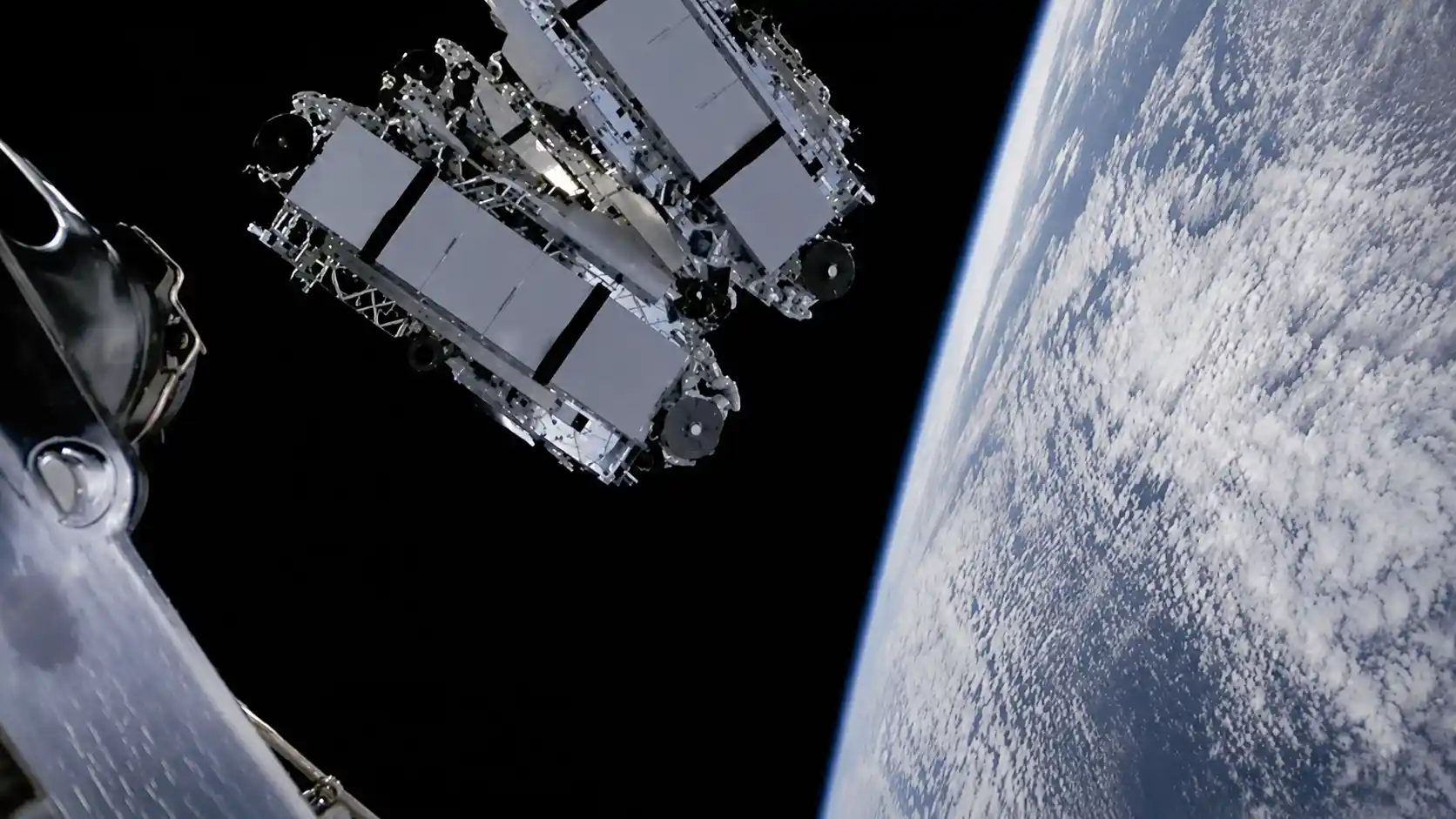
Starlink created a global communications network supported by SpaceX launch infrastructure.
That integration produced several advantages:
- Direct consumer revenue
- Enterprise connectivity services
- Government communications demand
- Geographic diversification
- Long-term infrastructure monetization
Additionally, satellite internet changes the business profile.
A launch generates revenue once.
Connectivity generates recurring cash flow.
That distinction matters.
Future of satellite internet discussions increasingly focus on network ownership rather than individual launches.
Consequently, Starlink shifted investor perception from aerospace exposure toward infrastructure ownership.
Starship Program Economics and the Long-Term Expansion Thesis
Starship represents the company’s highest-risk and highest-upside initiative.
Supporters believe it could reduce launch costs dramatically and unlock entirely new economic layers.
Potential applications include:
- Satellite deployment
- Cargo transportation
- Lunar logistics
- Orbital manufacturing
- Long-duration exploration systems
However, Starship program economics remain dependent on execution.
Large-scale infrastructure requires capital discipline.
Development timelines remain uncertain.
Nevertheless, investors increasingly value optionality.
If launch costs continue declining, entirely new markets could emerge.
SpaceX therefore becomes not only a transportation provider but potentially the enabling layer for future orbital economies.
Government Contracts and Strategic Credibility
Government partnerships strengthened the investment narrative.
Space agencies and defense institutions increasingly rely on commercial providers for launch execution and communications infrastructure.
These relationships matter because they improve revenue diversification and long-term planning visibility.
Strategic drivers include:
- National security demand
- Defense communications
- Launch reliability
- Technology partnerships
- Infrastructure resilience
Meanwhile, credibility compounds over time.
Government participation does not guarantee success.
However, it often validates operational capability.
That validation supported acceleration in SpaceX valuation growth.
How SpaceX Compares to Historic Trillion-Dollar Companies?
Historical comparisons reveal why investors discuss SpaceX differently.
| Company | Early Growth Phase | Infrastructure Expansion | Long-Term Outcome |
|---|---|---|---|
| Apple | Consumer hardware | Ecosystem integration | Global platform |
| Microsoft | Software scale | Cloud infrastructure | Enterprise dominance |
| Amazon | Commerce growth | Logistics + cloud | Infrastructure leader |
| Nvidia | Compute acceleration | AI platform expansion | Technology backbone |
Apple built ecosystems.
Microsoft built operating layers.
Amazon built logistics and cloud.
Nvidia built computational infrastructure.
SpaceX attempts something broader.
It combines transportation, communications, industrial manufacturing, and orbital infrastructure.
Investor skepticism often appears strongest before infrastructure transitions become obvious.
That pattern connects SpaceX with previous trillion-dollar transformations.
Investor Demand, Secondary Markets, and Institutional Capital
Private markets became an important signal.
Secondary trading increased investor access while maintaining private ownership structures.
Institutional demand emerged through:
- Sovereign wealth participation
- Venture capital exposure
- Infrastructure allocation strategies
- Long-duration thematic funds
- Private market accumulation
Meanwhile, scarcity amplified demand.
Limited availability created valuation pressure.
However, elevated pricing also introduces risk.
Private markets sometimes reflect enthusiasm more than fundamentals.
Nevertheless, institutional interest suggests space economy expansion increasingly attracts strategic capital.
Risks and Constraints That Could Challenge the Narrative
No trillion-dollar trajectory is guaranteed.
Several constraints remain significant.
Risk factors include:
- Capital intensity
- Launch execution failures
- Regulatory restrictions
- Satellite competition
- Dependence on government demand
Additionally, geopolitical conditions affect infrastructure deployment.
Space systems increasingly intersect with communications and defense priorities.
Investors therefore evaluate both technological and political exposure.
High expectations also create pressure.
Future growth must justify long-term assumptions.
The Future of the Space Economy
The next phase of growth may depend less on launches and more on infrastructure utilization.
Several themes increasingly shape market expectations:
- Orbital infrastructure markets
- Satellite broadband expansion
- Defense intelligence applications
- AI and satellite convergence
- Interplanetary logistics systems
Moreover, artificial intelligence may increase the value of satellite networks.
Data collection scales.
Connectivity scales.
Infrastructure ownership compounds.
As a result, markets increasingly evaluate space as an economic layer rather than a scientific category.
Unique Insight: Space Is Becoming a Global Utility Layer
The SpaceX trillion-dollar valuation story ultimately extends beyond company growth.
It reflects the emergence of space as infrastructure.
Electricity transformed industry.
Internet transformed communication.
Space infrastructure may transform mobility and connectivity.
Starlink becomes a connectivity layer.
SpaceX becomes the transportation system.
Valuation therefore reflects ownership of enabling systems rather than individual products.
Elon Musk is effectively attempting to build a multi-planetary industrial platform.
Markets are increasingly pricing not only current revenue but future economic architecture.
Conclusion
SpaceX’s rise from repeated launch failures to one of the world’s most valuable private companies illustrates how infrastructure businesses can reshape entire industries.
The company’s combination of reusable rockets, satellite connectivity, government credibility, and long-duration ambition changed expectations around what private aerospace can achieve.
Whether SpaceX ultimately reaches trillion-dollar scale remains uncertain.
What appears increasingly clear is that investors no longer view space as a distant frontier—they increasingly view it as the next foundational layer of global economic infrastructure.
Frequently Asked Questions
How did Elon Musk build SpaceX?
He combined long-term vision, aggressive engineering cycles, vertical integration, and repeated capital deployment into reusable launch and infrastructure businesses.
What makes SpaceX so valuable?
Investors increasingly value SpaceX because it combines launch services, communications infrastructure, and long-duration growth opportunities.
Is SpaceX really close to a trillion-dollar valuation?
The narrative reflects future infrastructure potential rather than current revenue alone, although private valuation expectations continue evolving.
How does SpaceX make money?
Revenue comes from launches, Starlink subscriptions, government partnerships, and emerging infrastructure services.
What is Starlink’s role in SpaceX’s valuation?
Starlink introduces recurring subscription economics that strengthen long-term valuation expansion.
What is Starship and why does it matter?
Starship aims to reduce launch costs and create entirely new commercial opportunities in orbital and interplanetary systems.
Who invests in SpaceX today?
Institutional investors, venture firms, private funds, and long-duration capital groups increasingly seek exposure.
How does SpaceX compare to NASA contractors?
SpaceX emphasizes vertical integration, rapid iteration, and commercial scalability rather than traditional contract structures.
What are the biggest risks for SpaceX?
Capital intensity, regulatory complexity, competition, and execution remain the largest challenges.
Could SpaceX become a trillion-dollar company?
Supporters argue the SpaceX trillion-dollar valuation thesis depends on infrastructure ownership, recurring revenue, and long-term space economy expansion.