There’s a certain thrill that comes with sitting behind the wheel of a high-end vehicle. The leather is softer, the engine quieter, the acceleration almost indecently smooth. For many affluent drivers, a luxury car isn’t just transportation – it’s a signal. A declaration of success, taste, and power.
But beneath all that prestige lies an uncomfortable truth: luxury cars have a complicated relationship with road safety. And the data tells a story that glossy brochures never will.
The Allure — and the Overconfidence
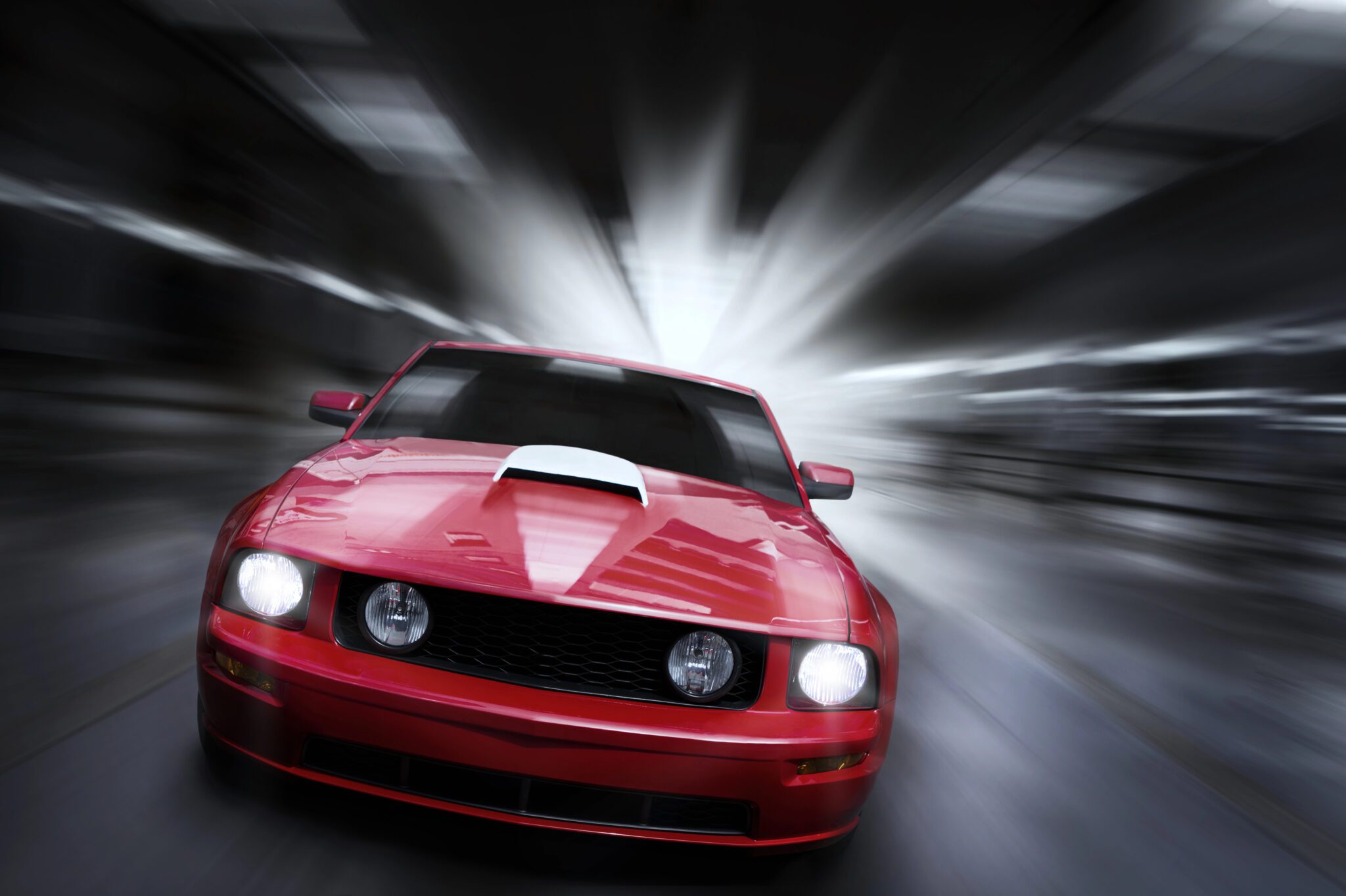
High-performance luxury vehicles are engineered to go fast. That’s a feature, not a flaw. But the same engineering that delivers 0-60 in under four seconds also raises the stakes when something goes wrong.
Research into driver psychology has consistently found that high-status vehicles correlate with riskier behavior on the road. A UC Berkeley study found that drivers of expensive cars were significantly more likely to cut off other vehicles and ignore pedestrian right-of-way than those driving modest ones. The researchers theorized that higher social status — or the perception of it — reduces the tendency to follow social norms, including traffic laws.
This isn’t a character flaw unique to wealthy drivers. It’s a well-documented psychological pattern: when people feel insulated from consequences — financially, socially, or physically — they tend to take more risks. And luxury car owners often feel exactly that kind of insulation.
What the Crash Data Actually Shows
When you look at accident statistics by vehicle type, the picture becomes more nuanced. Luxury vehicles, on average, are involved in fewer accidents per mile driven than economy cars. On the surface, that sounds reassuring. But it masks a more troubling pattern.
When luxury cars do crash, the outcomes tend to be more severe. High-performance vehicles — particularly sports sedans, supercars, and performance SUVs — are disproportionately represented in high-speed fatality data. The IIHS driver death data has flagged multiple luxury and performance models over the years for elevated driver death rates, not because the cars are poorly built, but because of how they’re driven.
Speed amplifies everything. A collision at 80 mph doesn’t just cause more damage than one at 40 mph — the physics mean it causes roughly four times the energy impact. Luxury car owners who push their vehicles to the limits of capability are playing in a different risk category entirely.
A History Worth Looking At
The relationship between luxury vehicles and accidents isn’t new. Look back through the history of American road safety and you’ll find high-end cars appearing regularly in landmark crash cases and safety debates.
In the 1960s and 70s, as muscle cars and luxury performance vehicles proliferated, highway fatality rates climbed dramatically. The federal government responded with the creation of the NHTSA in 1970, partly in response to a culture of high-powered cars being driven without meaningful safety oversight.
More recently, recalls have become a recurring storyline for luxury brands. Ferrari, Lamborghini, BMW, Mercedes-Benz, and Porsche have all issued significant recalls over the past decade — covering everything from brake failures and software glitches to steering defects. These aren’t obscure issues. In several cases, the defects were linked to real accidents and injuries before the recalls were announced.
This is why vehicle history matters so much, even at the top of the market. Before buying any pre-owned luxury car, running a thorough VIN check can surface past accidents, open recalls, and title issues that a test drive will never reveal. A spotless exterior and a confident seller aren’t substitutes for verified data.
The SUV Blind Spot
One of the more underreported safety stories of the past decade involves luxury SUVs. Vehicles like the Range Rover, Cadillac Escalade, BMW X7, and Mercedes GLS have exploded in popularity among affluent buyers. They offer size, comfort, and an elevated driving position that many owners interpret as safety.
But there’s a paradox here. The same elevated height that makes occupants feel safer also raises the center of gravity, increasing rollover risk. Large luxury SUVs are also significantly heavier than the vehicles around them — making collisions with smaller cars more dangerous for the other party, even when occupants of the SUV walk away unharmed. The IIHS has noted that US road fatality rates, a dynamic that rarely features in luxury SUV marketing.
Insurance claims data has shown that large luxury SUVs generate some of the highest third-party liability costs in the market. The people who pay the price for that sense of security aren’t always the ones inside the vehicle.
The Status-Speed Cycle
There’s a cultural dimension to all of this that’s worth naming directly. Luxury car marketing has always traded on speed, freedom, and status. Watch any high-end automotive ad and you’ll see empty coastal roads, dramatic acceleration, and the implicit message that the rules of everyday driving don’t quite apply.
That messaging shapes behavior in ways that are hard to quantify but easy to observe. Supercars driven at triple-digit speeds on public roads. Performance sedans weaving through highway traffic because the capability is there. Status SUVs parked across two lanes because the driver simply doesn’t expect consequences.
None of this is exclusive to luxury car owners, of course. But the combination of high-performance engineering, aspirational marketing, and the psychology of status creates a particular kind of risk that the industry rarely acknowledges.
Buying Smart in a High-Stakes Market
The used luxury car market is booming. Post-pandemic shifts in supply chains, inflation in new car pricing, and growing demand for certified pre-owned vehicles have pushed more affluent buyers toward second-hand Porsches, BMWs, and Teslas than ever before.
That market comes with risks. Luxury vehicles depreciate sharply in their first few years — which is why they’re attractive used — but they also carry complex histories. A car that was driven hard, involved in an accident, or subject to a recall that was never completed can look immaculate on the outside while hiding serious issues underneath.
Due diligence in this market isn’t optional. A comprehensive vehicle history check is as standard a step as a pre-purchase inspection from a trusted mechanic. Knowing a car’s full story before money changes hands is simply smart buying — and in the world of performance vehicles, it can be the difference between a sound investment and a costly mistake.
The Road Ahead
Luxury car culture isn’t going anywhere. If anything, the rise of electric performance vehicles — with their instant torque, minimalist interiors, and six-figure price tags — is bringing a new generation of status-driven buyers into the high-performance category.
The question is whether the industry, regulators, and buyers themselves will take road safety as seriously as horsepower specs. The cars are getting faster. The technology is getting more complex. And the gap between what these vehicles are capable of and what public roads are designed for is widening.
Speed and status will always be seductive. But so is arriving safely.