Apartment buildings are supposed to make daily life easier, not expose tenants to hidden danger every time they leave their unit. Yet elevators and stairways often reveal how seriously a landlord takes building safety. A rough elevator stop, a loose handrail, a dark landing, or a cracked stair may seem minor until a tenant falls, becomes trapped, or suffers an injury that changes their routine, income, and independence.
These accidents are rarely just “bad luck.” They often follow a pattern of ignored complaints, delayed repairs, poor inspections, or temporary fixes that never addressed the real problem. When tenants are hurt because a landlord failed to maintain shared building areas, the Law Offices of Jay S. Knispel can help determine whether negligence contributed to the injury.
The Warning Signs Often Appear Before the Accident
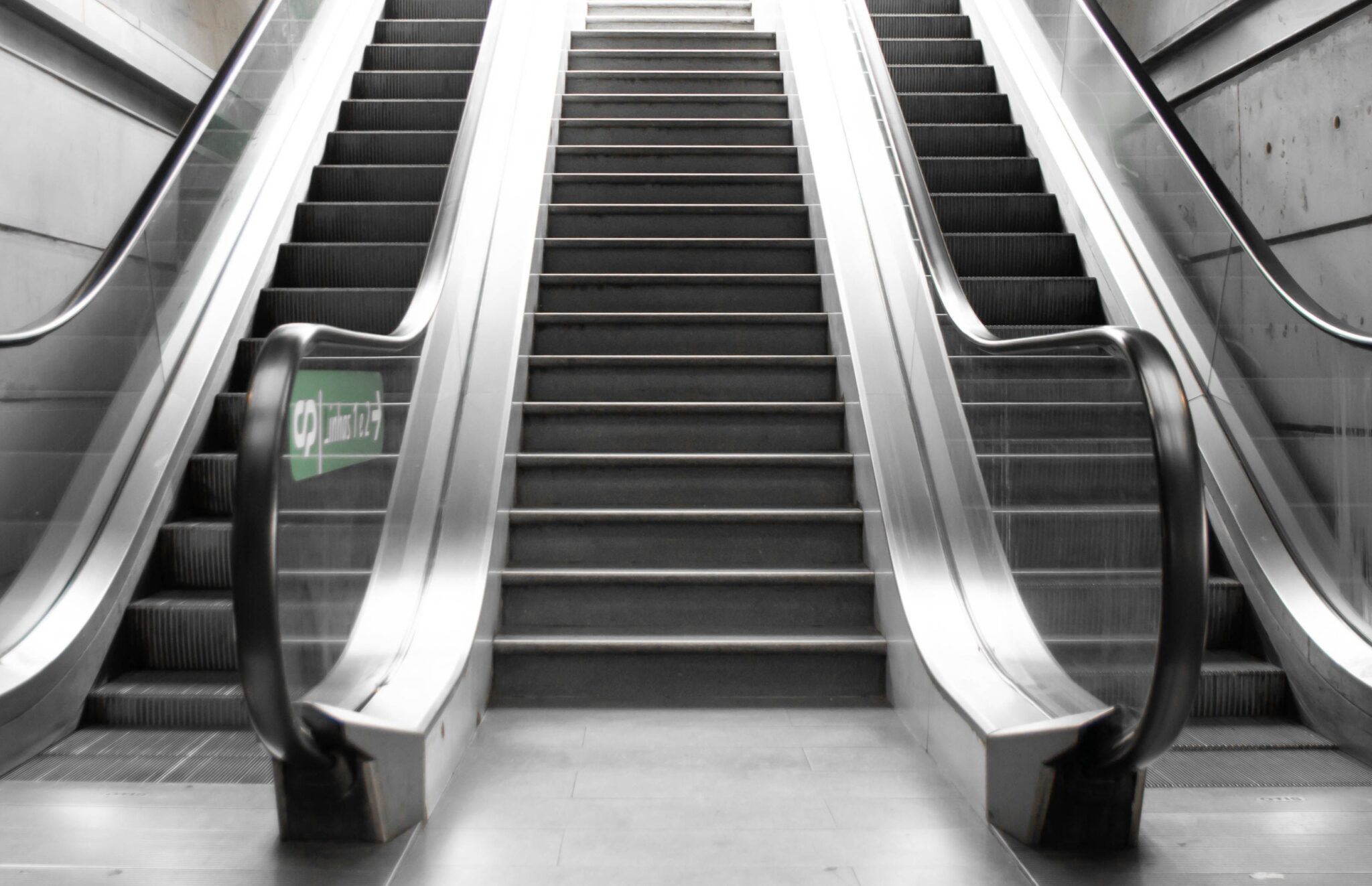
Dangerous elevators and stairways usually show signs of trouble before someone gets hurt. Tenants may notice an elevator that jerks between floors, doors that close too quickly, buttons that fail, or a car that stops slightly above or below the floor level. In stairways, warning signs may include wobbling railings, chipped steps, torn carpeting, loose tiles, or lights that stay broken for days.
These details matter because they may show the landlord had time to act. A building owner cannot always prevent a sudden problem, but repeated complaints or visible hazards can create notice. When management knows about a risk and allows tenants to keep using the area without proper repairs, the situation can become much more than ordinary wear and tear.
Elevator Problems Can Trap, Trip, or Throw Tenants
A poorly maintained elevator can cause harm in several ways. If the elevator does not level correctly with the floor, a tenant may trip while stepping in or out. If doors close too forcefully, they may strike a tenant, child, older adult, or person using a walker. If the elevator drops, shakes, stalls, or stops suddenly, passengers may suffer back injuries, knee injuries, anxiety, or impact trauma.
Elevator incidents can be especially frightening because tenants have little control once the doors close. A person trapped inside a malfunctioning elevator may panic, overheat, miss medical care, or become physically injured trying to exit. Regular inspections, timely repairs, and proper response to complaints are essential because elevator failures can quickly become serious safety events.
Stairways Become Dangerous When Maintenance Is Treated as Optional
Stairways are among the most heavily used areas in an apartment building. Tenants use them during elevator outages, emergencies, deliveries, power failures, and daily travel. Because stairways are used so often, even small defects can become serious hazards. A broken stair edge, uneven riser, slippery landing, or missing tread can cause a tenant to lose balance without warning.
Landlords should not wait until a staircase looks severely damaged before making repairs. A stairway must be safe for ordinary use, including by children, older tenants, visitors, and residents carrying bags or laundry. When a landlord delays basic upkeep, tenants may face risks every time they move through the building.
Lighting Can Decide Whether a Tenant Sees the Danger
Poor lighting can turn an ordinary defect into a serious trap. A tenant may be able to avoid a broken tile or wet stair in bright light, but not in a dim hallway or shadowed landing. Burned-out bulbs, flickering fixtures, dark elevator vestibules, and poorly lit stairwells make it harder to judge depth, spot hazards, and move safely.
Lighting problems are often easy to document. Tenants may have complained about dark areas before the fall, or neighbors may confirm that lights had been out for weeks. If a landlord ignored lighting issues in a high-traffic area, that failure can support the argument that the building was not being reasonably maintained.
Handrails Are Lifelines, Not Building Decorations
A sturdy handrail can prevent a misstep from becoming a serious fall. Tenants often reach for a railing instinctively when they slip, stumble, or feel unsteady. If the handrail is loose, missing, broken, poorly anchored, or placed where it cannot be used properly, the tenant may have no chance to regain balance.
This issue is especially important for older adults, pregnant tenants, children, and people with mobility challenges. A landlord may argue that the tenant should have been more careful, but that defense becomes weaker when a required safety feature was missing or defective. Railings exist because people sometimes lose balance, and they must be strong enough to help when that moment comes.
Quick Fixes Can Hide a Longer Pattern of Neglect
Some landlords respond to complaints with temporary repairs that make the problem look fixed without making the area truly safe. A loose stair may be patched instead of replaced. A railing may be tightened but not properly secured. A wet area may be mopped while the leak causing it remains untouched. An elevator may be restarted without addressing the underlying mechanical issue.
These quick fixes can become important evidence. If the same problem returns again and again, it may show that the landlord knew the condition was unsafe but failed to solve it properly. Maintenance records, tenant messages, repair invoices, building complaints, and witness statements can help reveal whether the accident was part of a larger history of neglect.
Injuries From Building Hazards Can Disrupt Every Part of Life
A fall in a stairway or an elevator accident can cause injuries that last long after the scene is cleaned up. Tenants may suffer fractures, torn ligaments, head injuries, spinal pain, shoulder damage, hip injuries, nerve problems, or chronic pain. Some injuries require surgery, physical therapy, injections, mobility devices, or months of medical appointments.
The consequences can reach beyond medical bills. An injured tenant may miss work, struggle with childcare, lose independence, or feel unsafe moving through their own building. In serious cases, a person may need help with bathing, cooking, transportation, or basic household tasks. A legal claim should consider not only the accident itself but also how the injury changed the tenant’s daily life.
Building a Claim Around What the Landlord Failed to Do
A tenant injury claim often focuses on what the landlord knew, when they knew it, and how they responded. Key evidence may include photos of the hazard, video footage, past complaints, work orders, inspection reports, witness statements, and medical records. The aim is to show that the danger was known and could have been fixed.
Tenants should report the accident, seek medical help, and preserve evidence quickly. If repairs are made right after the injury, early photos and witness statements are especially valuable. When landlords neglect elevators and stairways, injured tenants should be able to hold them accountable and seek compensation.