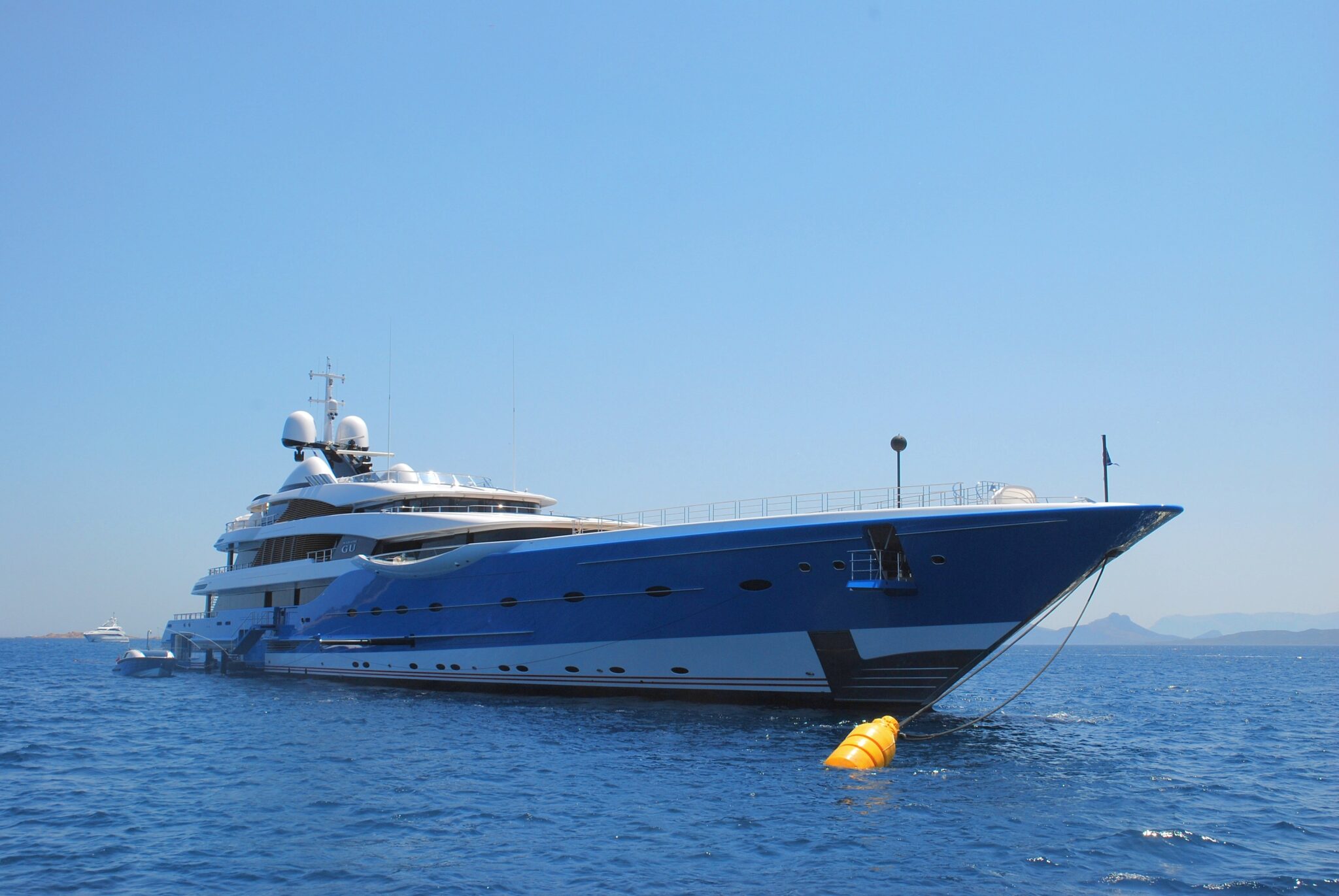
Owning a watercraft brings unmatched freedom on the open water. Yet, it represents a massive financial investment that requires careful oversight. Protecting that investment involves more than basic upkeep or secure dockage.
Smart owners implement proactive strategies to secure their financial equity against unforeseen accidents or market shifts. Owners benefit from structured planning, and developing a robust financial defense strategy keeps the journey smooth.
Evaluate Your Total Vessel Valuation
Owners must factor in the hull value, onboard electronics, and specialized gear. Marine coverage costs around 1.5% of the total value of the boat every year. Skipping a thorough assessment can lead to major coverage gaps during a total loss event. Here’s how to calculate the worth:
- Current market demand for specific manufacturers
- The age and depreciation rate of propulsion systems
- Upgrades made to navigational technology
Accurate valuations prevent unexpected out-of-pocket costs after an accident. Markets fluctuate constantly, meaning a boat bought three years ago has a completely different value today. Standard depreciation models rarely capture custom additions. Detailed receipts for equipment upgrades form a clear paper trail for claims adjusters.
Professional marine surveyors provide unbiased appraisals that satisfy underwriting requirements. Enlist an expert eye to prevent over-insuring or under-insuring an asset. Updated records streamline the claims process following unexpected damage. Regular appraisals maintain an accurate reflection of current replacement costs.
Formulate A Comprehensive Disaster Plan
Physical preparation directly influences financial outcomes when heavy storms approach coastal waterways. Having a written protocol lessens confusion during chaotic weather events. It is best to get Bradenton boat insurance before extreme weather systems form in the Gulf region. Safe harbors fill up quickly, so you need to make good decisions.
Secure storage locations must be booked well ahead of hurricane season. Marinas demand proof of financial responsibility before granting emergency haul-out privileges. Keep digital copies of policy documents to have quick access during evacuations. Early preparation mitigates catastrophic structural failures.
Strong winds and rising tides create extreme forces on docks. High-quality lines and proper fender placement reduce structural stress. Hauling a boat out of the water is still the safest option during severe storms.
Storm plans should detail designated crew responsibilities and specific evacuation routes. Review these plans every spring to keep everyone prepared for unexpected weather emergencies. Documented disaster planning earns discounts from safety-conscious insurance providers.
Research Market Premium Trends
Marine underwriting markets experience regular shifts based on corporate competition. Underwriters are seeking growth, which is causing average rate decreases of up to 5% and more flexible terms. Securing favorable terms becomes easier when buyers understand shifting dynamics. Operators can leverage carrier competition to lower their operational overhead.
Comparing multiple providers secures better deals without compromising policy depth. Insurance companies adjust their risk profiles based on global economic indicators. Brokers utilize market knowledge to find specialized policies that fit operational profiles. Regular policy reviews reveal opportunities to trim waste and maximize premium efficiency.
Select Appropriate Liability Limits
Property damage and bodily injury claims can quickly drain personal savings if policy limits fall short. High-traffic waterways increase the probability of multi-boat collisions. Basic policies might not cover extreme medical expenses or environmental cleanup costs, so opt for higher protection levels. Crowded channels demand vigilant navigation and substantial financial backstops.
Legal defense fees accumulate quickly during maritime disputes. Adequate liability caps shield personal savings from litigation costs. Reviewing these limits annually protects accumulated wealth. Umbrella policies offer an extra layer of defense for high-net-worth operators.
Environmental accidents can result in severe government fines for fuel spills. Specialized marine liability policies absorb these cleanup costs and protect owners from personal financial ruin. Evaluating potential passenger risks guides the selection of adequate medical payment limits.
Establish Safe Storage Protocols
Where a vessel rests dictates its total risk profile. Security systems at dry storage facilities offer better protection than open docks. Implementing layers of security deters thieves and minimizes environmental wear. Effective protection relies on implementing specific physical safeguards:
- Hardened lock systems on trailers and cabins
- Digital tracking devices hidden within the hull
- Motion-activated lighting around private slips
Lowering theft risks can encourage carriers to offer better terms. Secure storage guards against heavy sun damage and fiberglass deterioration. Covered slips prolong gel coat and upholstery lifespans.
Well-maintained facilities feature staff who monitor vessels during minor storms. Off-site indoor storage minimizes exposure to salt spray and humidity. Minimizing physical degradation preserves long-term financial equity. Quality covers can guard delicate electronics from moisture.
Vessels left unattended for long periods demand frequent security checks. Installing remote monitoring cameras provides real-time updates on bilge pump activity and battery levels. Early detection of water intrusion prevents sinking incidents at the dock.
Factor Regional Climate Variations
Geographic location determines annual operating expenses. Coastal states prone to severe tropical storms see much higher policy costs than landlocked areas. A report on customer metrics revealed that Florida policies averaged $839 annually compared to just $267 for Minnesota operators.
Owners in high-risk zones must allocate extra funds for storm prep and seasonal haul-outs. Regional climate realities dictate the necessity of specialized policy endorsements. Saltwater environments accelerate corrosion compared to freshwater lakes. This factor demands more frequent sacrificial anode replacements and mechanical flushes.
Freezing temperatures pose threats to plumbing systems and onboard freshwater tanks. Frozen pipes expand and rupture, causing severe flooding when spring thaws arrive. Proper climate-specific maintenance preserves hull integrity and protects the owner’s financial investment from seasonal neglect.
Audit Expenses And Security Upgrades
Reviewing marine expenses annually keeps operating costs under control. Safety upgrades can result in premium credits with certain maritime underwriters. Installing fire suppression systems or radar upgrades decreases operational danger.
Schedule formal reviews with industry specialists to identify potential savings. Documenting all upgrades provides leverage during renewal negotiations. Take charge of maintenance schedules and keep a vessel running efficiently. Maintenance logs prove diligent care to future buyers.
Regular engine diagnostics prevent catastrophic failures out at sea. Modern tracking systems help recovery teams locate stolen property quickly. Combining safety upgrades with regular maintenance audits maximizes financial returns on marine investments. Advanced GPS systems add security and value.
Image source: https://www.pexels.com/photo/bow-of-a-ship-8356437/
Upgraded electrical wiring diminishes fire risks on older vessels. Replacing worn shore power cords prevents short circuits and stray current corrosion. Technical improvements safeguard the vessel and protect neighboring boats from shared dock hazards.
Managing watercraft finances demands constant attention and strategic planning. Implementing methodical reviews of valuation, storage, and market trends keeps assets safe. Safe voyages rely on solid preparation both on the water and on paper.