A home cooling system rarely fails without giving a few clear warnings first. Weak airflow, warm air, loud operation, and rising utility costs can all point to parts working harder than they should. Catching these signs early helps protect comfort, safety, and repair costs during hot weather.
When the AC stops cooling during a humid afternoon, searching for “emergency ac repair services near you” becomes a practical step rather than a last-minute panic. The need sometimes starts with small issues that were easy to dismiss, such as one warm room or a faint buzzing sound. Early attention gives trained HVAC technicians a better chance to repair the problem before the system shuts down completely.
Weak Airflow From The Vents
Weak airflow is one of the most noticeable signs of a struggling AC system. The air may feel light at the vents, or certain rooms may stay warm even when the thermostat is set correctly. This problem can come from a clogged filter, blocked returns, duct restrictions, or a blower issue.
Poor airflow makes the system run longer to cool the home. Longer run times increase wear on motors, electrical parts, and other internal components. A healthy cooling system should move air steadily through open vents without leaving uncomfortable hot spots.
Warm Air Coming From The System
Warm air from the vents usually means the cooling process is not working as it should. The thermostat may be set to cool, but the system may still fail to remove heat from the indoor air. Refrigerant leaks, compressor trouble, dirty coils, or airflow restrictions can all lead to this issue.
This warning sign needs quick attention because the unit may keep running without producing real cooling. That constant operation can raise energy use and place extra strain on important parts. Warm air should never be treated as normal during active AC operation.
Unusual Noises During Cooling Cycles
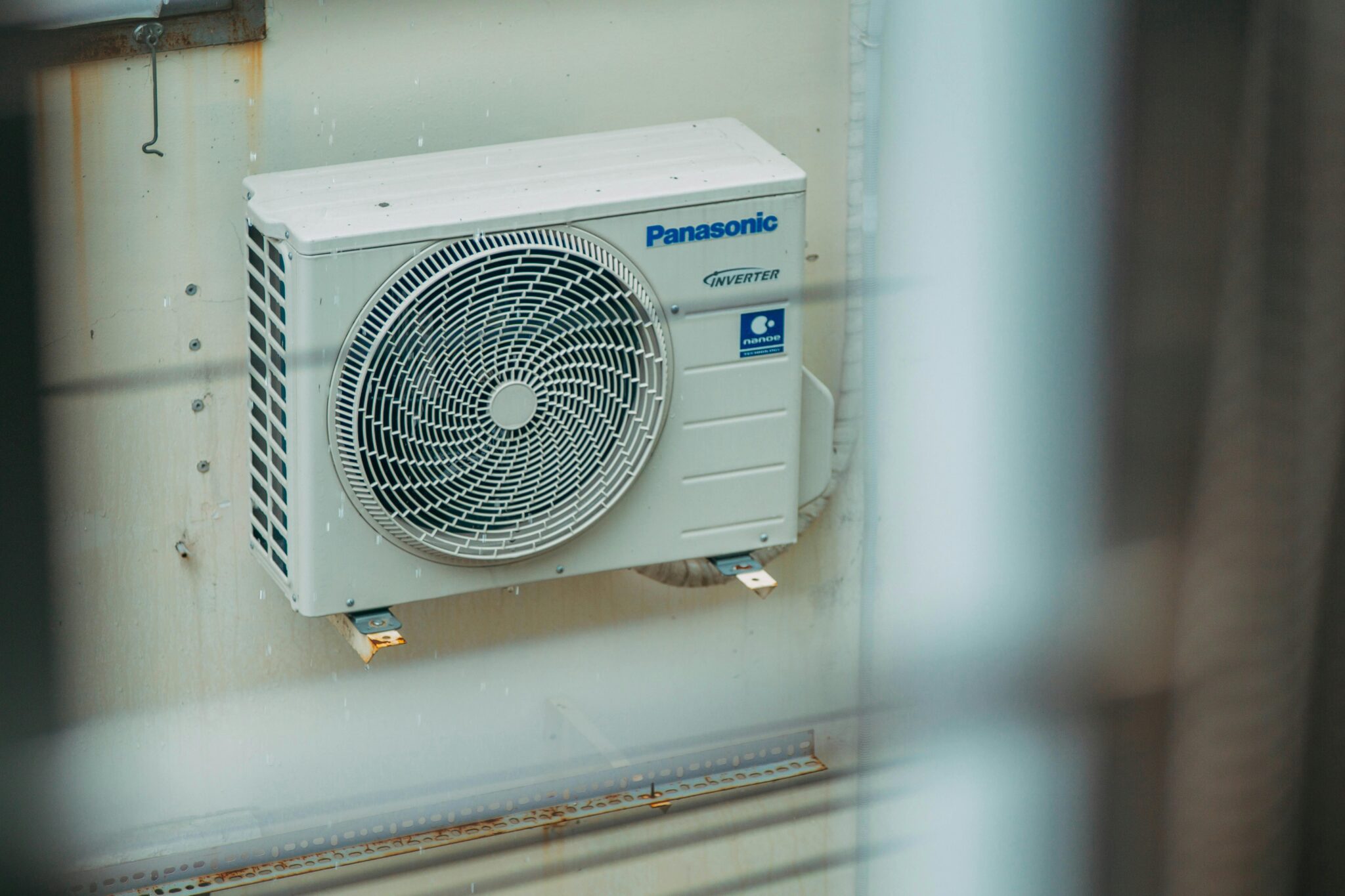
An AC system should run with a steady, familiar sound. Grinding, banging, rattling, or buzzing sometimes points to loose parts, motor strain, electrical trouble, or outdoor unit issues. These noises may start small, but they can become serious when the system continues operating under stress.
Noises That Need Prompt Attention
- Grinding sounds near the indoor unit
- Buzzing from the outdoor condenser
- Rattling during startup or shutdown
- Banging sounds during a cooling cycle
Frequent Cycling And Uneven Comfort
Short cycling happens when the AC turns on and off too often. The system may begin cooling, stop too soon, and restart again before the home reaches a comfortable temperature. This pattern can be tied to thermostat problems, airflow restrictions, electrical issues, or system strain.
Uneven comfort sometimes appears at the same time. One room may feel cool while another stays warm, especially during peak heat. If short cycling continues, a homeowner may need to search for “emergency ac repair services near you” online before a stressed component fails.
Higher Energy Bills With Lower Performance
A rising energy bill can signal that the AC is losing efficiency. The system may use more electricity because dirty coils, weak airflow, worn parts, or refrigerant issues make cooling harder. The home may still feel less comfortable despite the higher cost.
This warning sign is important because it sometimes appears before a full breakdown. Higher bills paired with warm air, weak airflow, or longer run times should be taken seriously. A timely inspection can identify the cause and reduce the chance of larger damage.
Moisture, Ice, And Humidity Problems
Moisture around the indoor unit can point to a clogged drain line or poor humidity removal. Ice on coils or refrigerant lines can indicate restricted airflow or a refrigerant-related problem. These visible signs show that the AC is not operating under normal conditions.
Visible Warning Signs Around The Unit
- Water pooling near indoor equipment
- Ice on coils or refrigerant lines
- Musty odors from vents
- Sticky indoor air during cooling
Schedule Professional AC Diagnostics Before A Complete Breakdown
Professional AC diagnostics can identify hidden airflow restrictions, electrical issues, refrigerant problems, and worn components before they cause a complete system shutdown. Timely inspections help reduce unnecessary strain on the equipment, improve cooling performance, and prevent costly emergency repairs during periods of heavy system use.
These changes can include weak airflow, warm air, odd sounds, short cycling, higher energy bills, and visible moisture. Investing in emergency AC repair services on time helps protect indoor comfort. It can also reduce equipment strain and prevent larger damage before the next heat wave places heavier demand on the cooling system.