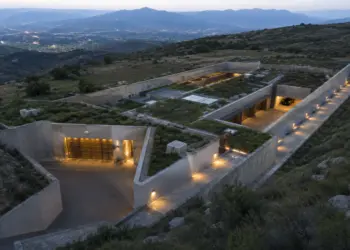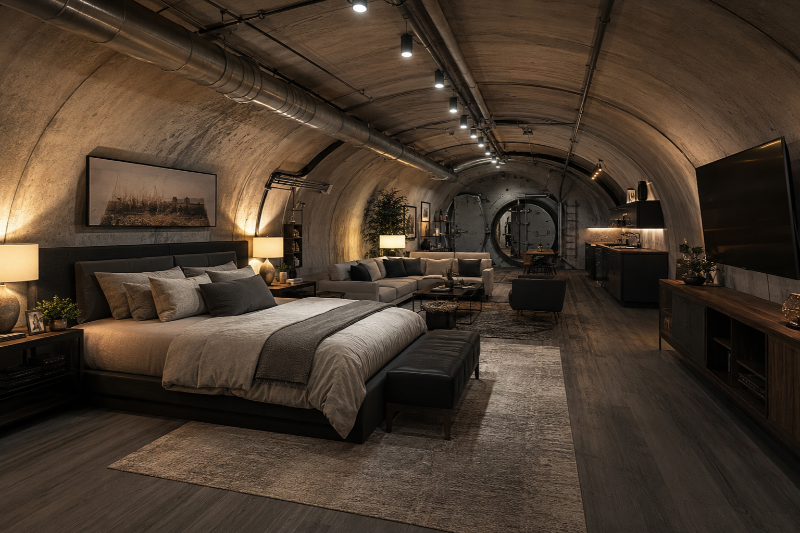
Interest in underground bunkers has expanded far beyond traditional survivalist circles. Over the last decade, growing concerns about natural disasters, geopolitical instability, infrastructure disruptions, and personal security have encouraged many people to explore alternative housing and shelter options. At the same time, developers have transformed former military facilities and purpose-built shelters into sophisticated residential spaces that offer far more than emergency protection.
As a result, public curiosity about underground bunker rentals continues to grow. Many people wonder whether they can experience bunker living without purchasing a shelter outright. Others are interested in Billionaire bunkers, preparedness communities, or secure accommodations designed for extended stays. Meanwhile, some prospective residents are exploring long-term bunker living as part of a broader preparedness strategy.
The rise of bunker communities USA, high-end survival real estate, and private bunker accommodation projects has made the question increasingly relevant. So, can you rent underground bunkers? The short answer is yes, although rental opportunities remain more limited than ownership options. Some facilities offer lease arrangements, community memberships, temporary stays, or occupancy agreements, while others focus exclusively on ownership.
This article examines real bunker projects, rental possibilities, costs, amenities, and the realities of living underground today.
Can You Rent Underground Bunkers?
Yes, can you rent underground bunkers is a question with a legitimate and increasingly practical answer. While the market remains relatively niche, several facilities provide access through rental agreements, memberships, leasing structures, or occupancy arrangements.
However, the bunker industry differs significantly from traditional residential real estate. Most developers prioritize ownership because shelter infrastructure requires substantial capital investment. Therefore, outright purchases remain more common than rentals.
Several access models currently exist:
- Short-term occupancy arrangements
- Membership-based shelter programs
- Long-term lease agreements
- Community residency models
- Shared shelter access programs
Moreover, some projects offer temporary accommodations for tours, preparedness events, or emergency situations. Consequently, prospective occupants have more options today than ever before.
A common misconception is that underground shelters function like conventional hotels. In reality, most facilities operate as private communities, residential developments, or emergency preparedness assets rather than hospitality businesses.
The Different Types of Underground Bunker Rentals
The underground shelter market includes several distinct categories. Understanding these differences helps potential occupants identify suitable options.
Luxury bunker accommodations typically focus on comfort, privacy, and premium amenities. These facilities often feature spacious residences, recreational areas, fitness centers, and sophisticated security systems.
Meanwhile, preparedness communities emphasize resilience and long-term sustainability. Residents gain access to shared infrastructure designed to support extended occupancy during emergencies.
Other categories include:
- Private family shelters
- Community survival compounds
- Emergency-use facilities
- Commercial shelter developments
- Hybrid residential-preparedness projects
Additionally, some organizations provide underground shelter rentals specifically for emergency planning or contingency preparedness.
Although each model serves different needs, they all reflect growing demand for secure alternative accommodations.
Actual Underground Bunker Facilities Available Today
The Survival Condo Project (Kansas, USA)
The Survival Condo Project represents one of the world’s most recognized luxury bunker developments. Located inside a converted Atlas missile silo in Kansas, the facility transformed Cold War infrastructure into an upscale underground residential complex.
Residents purchase condominium units rather than traditional rental agreements. Nevertheless, occasional discussions regarding private occupancy arrangements and owner-managed access have generated interest among those seeking temporary experiences.
Key features include:
- Underground residential units
- Indoor swimming pool
- Fitness center
- Medical facilities
- Food storage systems
- Security infrastructure
Moreover, the project demonstrates how former military assets can become premium preparedness real estate.
Vivos xPoint (South Dakota, USA)
Vivos xPoint is one of the largest survival bunker communities in the world. Situated on a former military installation in South Dakota, the project encompasses hundreds of hardened bunkers spread across thousands of acres.
Unlike many luxury developments, Vivos xPoint offers a mix of ownership and leasing opportunities. Consequently, it appeals to preparedness enthusiasts seeking flexibility.
Community infrastructure includes:
- Private bunker spaces
- Security systems
- Road networks
- Utility access
- Community planning initiatives
Furthermore, the project attracts individuals interested in both preparedness and alternative housing concepts.
Vivos Europa One (Germany)
Vivos Europa One is a high-security European bunker project designed for affluent individuals and families seeking elite shelter options.
The facility occupies a heavily reinforced underground complex originally built to withstand significant threats. In contrast to larger community projects, Europa One focuses on exclusivity and private ownership arrangements.
Notable features include:
- Luxury residential suites
- Advanced security infrastructure
- Private transportation access
- Medical facilities
- Independent utility systems
Additionally, the project reflects increasing international demand for luxury preparedness real estate.
Oppidum (Czech Republic)
Oppidum is among the most ambitious luxury bunker concepts currently under development. Located in the Czech Republic, the project targets ultra-high-net-worth individuals seeking customized underground residences.
Rather than offering standard rental accommodations, Oppidum focuses on bespoke shelter construction and long-term ownership.
Major characteristics include:
- Customized luxury residences
- Extensive security measures
- Private wellness facilities
- Long-duration occupancy capability
- Personalized design options
Consequently, Oppidum represents the upper end of the preparedness real estate market.
Comparison of Major Bunker Facilities
| Facility | Location | Rental Availability | Long-Term Stay | Luxury Level | Primary Use |
|---|---|---|---|---|---|
| Survival Condo Project | Kansas, USA | Limited | Yes | High | Residential preparedness |
| Vivos xPoint | South Dakota, USA | Some lease options | Yes | Moderate | Survival community |
| Vivos Europa One | Germany | Limited | Yes | Very High | Luxury shelter |
| Oppidum | Czech Republic | No public rentals | Yes | Ultra-Luxury | Private security |
| Atlas Survival Shelters | Texas, USA | Primarily ownership | Yes | Variable | Custom shelters |
| Rising S Company | Texas, USA | Primarily ownership | Yes | High | Residential shelters |
Atlas Survival Shelters (Texas, USA)
Atlas Survival Shelters has become one of the best-known bunker construction companies in North America. The company designs and manufactures shelters ranging from compact residential units to large-scale underground compounds.
Although Atlas primarily focuses on ownership, its projects influence discussions about future short-term bunker rentals and alternative shelter accommodations.
Popular offerings include:
- Residential bunkers
- Community shelters
- Luxury underground homes
- Emergency preparedness structures
As market demand grows, companies like Atlas continue shaping expectations for modern bunker living.
Rising S Company (Texas, USA)
Rising S Company specializes in custom underground shelter construction for homeowners, ranch owners, and preparedness-focused buyers.
The company’s projects showcase broader trends within the preparedness industry, particularly the increasing popularity of luxury residential shelters.
Notable developments include:
- Family shelters
- Luxury underground residences
- Commercial preparedness projects
- Long-term occupancy designs
Moreover, Rising S demonstrates how shelter construction has evolved from basic survival infrastructure into a sophisticated real estate segment.
Can You Rent Underground Bunkers for Short-Term Stays?
Short-term rental opportunities remain relatively uncommon. However, the concept continues to attract attention as preparedness tourism gains visibility.
Several factors limit widespread availability. First, most bunker operators prioritize security and resident screening. Second, many facilities function as private communities rather than hospitality businesses.
Nevertheless, some opportunities occasionally emerge through:
- Special events
- Preparedness conferences
- Private owner arrangements
- Demonstration stays
- Media experiences
Meanwhile, niche hospitality ventures have explored underground accommodations as unique travel experiences. Although these opportunities remain limited, interest continues to increase.
Therefore, travelers seeking short-term bunker rentals should expect fewer options than traditional accommodations.
Can You Rent Underground Bunkers Long-Term?
Long-term occupancy represents a far more realistic option than short-term stays.
Many facilities support extended residency through memberships, leases, ownership agreements, or community participation structures. Consequently, individuals interested in long-term bunker living often find more opportunities than casual visitors.
Common arrangements include:
- Multi-year leases
- Community memberships
- Shared ownership programs
- Condominium ownership
- Occupancy agreements
Additionally, preparedness communities frequently encourage residents to become active participants in long-term infrastructure planning and maintenance.
As a result, long-term occupancy models align closely with the preparedness goals that drive bunker development.
Bunker Rental Costs and Pricing Models
Bunker rental costs vary dramatically depending on location, security level, amenities, and occupancy duration.
At the lower end, membership-based shelter access may involve annual fees or modest lease payments. On the other hand, luxury facilities can require investments comparable to high-end real estate.
Typical expenses may include:
- Membership fees
- Maintenance assessments
- Utility contributions
- Security costs
- Occupancy charges
Moreover, luxury projects often bundle extensive services into their pricing structures.
Ownership remains substantially more expensive. However, rental or membership arrangements can provide access without the large upfront investment associated with purchasing a bunker.
Why Luxury Bunkers Are Becoming More Popular?
Several market forces continue driving demand for luxury bunkers.
Privacy concerns remain a significant factor. Additionally, affluent buyers increasingly seek diversified preparedness strategies that complement traditional real estate holdings.
Other growth drivers include:
- Disaster preparedness
- Remote living trends
- Security-focused lifestyles
- Infrastructure resilience concerns
- Wealth preservation strategies
Meanwhile, developers have improved design standards dramatically. Modern bunkers often resemble upscale condominiums rather than austere emergency shelters.
Consequently, luxury bunker projects appeal to a broader audience than traditional survival shelters.
Typical Bunker Pricing Categories
| Bunker Type | Typical Cost Range | Stay Duration | Security Level | Ideal User |
| Membership Shelter Access | $1,000–$20,000+ annually | Variable | Moderate | Preparedness-minded individuals |
| Community Lease Space | $5,000–$50,000+ annually | Long-Term | Moderate to High | Families |
| Private Rental Arrangement | Varies widely | Short or Long-Term | Moderate | Temporary occupants |
| Luxury Bunker Residence | Hundreds of thousands to millions | Long-Term | High | Affluent residents |
| Custom Ownership Shelter | Hundreds of thousands to several million | Permanent | Very High | Owners |
The Pros and Cons of Underground Shelter Rentals
Advantages
Underground shelter access offers several compelling benefits.
Benefits include:
- Enhanced security
- Greater privacy
- Preparedness infrastructure
- Community support networks
- Resilience during emergencies
Additionally, some developments provide amenities comparable to conventional residential communities.
Drawbacks
Despite growing interest, limitations remain.
Potential challenges include:
- Limited availability
- High costs
- Remote locations
- Lifestyle adjustments
- Restricted access policies
Nevertheless, many occupants view these trade-offs as acceptable given the security and preparedness advantages involved.
The Future of Underground Bunker Rentals
The bunker market continues evolving alongside broader trends in real estate, technology, and preparedness planning.
Developers increasingly explore self-sufficient community designs that incorporate renewable energy, advanced water systems, and food production capabilities. Consequently, future projects may offer greater flexibility for both ownership and rental arrangements.
Emerging trends include:
- Smart shelter technology
- Sustainable infrastructure
- Community-focused development
- Expanded preparedness networks
- Hybrid residential models
Moreover, growing public awareness could encourage additional emergency shelter rentals and alternative occupancy programs.
Although ownership will likely remain dominant, rental opportunities may gradually expand as the market matures.
Unique Insight: Why “Can You Rent Underground Bunkers” Is Becoming a Practical Question?
The question can you rent underground bunkers increasingly reflects a genuine market reality rather than a hypothetical curiosity.
Preparedness real estate continues expanding across North America and Europe. Meanwhile, luxury bunker developments attract growing attention from investors, entrepreneurs, and affluent families. Alternative housing models are also evolving, creating new possibilities for secure living arrangements.
Several trends support this shift:
- Expansion of preparedness-focused real estate
- Growth of organized survival communities
- Increased demand for enhanced security
- Rising interest in resilient housing
- Continued luxury bunker innovation
However, one important reality remains. Most underground shelters still emphasize ownership, membership, or long-term residency structures. In contrast, truly widespread short-term rental markets remain limited.
Therefore, the future of private bunker accommodation will likely involve a combination of ownership, memberships, community access programs, and selective leasing opportunities rather than conventional hotel-style rentals.
Conclusion
So, can you rent underground bunkers? Yes, but the answer depends heavily on the facility, access model, and intended duration of stay. While traditional hotel-style underground bunker rentals remain uncommon, real opportunities exist through preparedness communities, membership programs, lease arrangements, and selective occupancy agreements.
Projects such as the Survival Condo Project, Vivos xPoint, Vivos Europa One, Oppidum, Atlas Survival Shelters, and Rising S Company demonstrate how the bunker industry continues evolving. Moreover, increasing demand for security, resilience, privacy, and alternative housing suggests that long-term bunker living and private bunker accommodation may become even more accessible in the future.
For now, most opportunities still center on ownership and community participation. Nevertheless, the market for secure underground living continues to grow, making bunker rentals an increasingly realistic option for preparedness-minded individuals and those seeking unconventional accommodations.
Frequently Asked Questions
Can you rent underground bunkers?
Yes. While ownership remains the dominant model, can you rent underground bunkers has a positive answer. Some facilities offer leases, memberships, occupancy agreements, or limited rental opportunities.
How much do underground bunker rentals cost?
Costs vary significantly. Membership programs may cost thousands of dollars annually, while luxury accommodations can require substantially higher investments.
Are there luxury bunkers available for rent?
Some luxury facilities provide access through memberships, occupancy arrangements, or private agreements. However, outright ownership remains more common.
Where are the most famous bunker communities located?
Notable projects include Kansas, South Dakota, Germany, Texas, and the Czech Republic.
Can people live in bunkers long-term?
Yes. Many modern shelters support permanent or semi-permanent residency with infrastructure designed for extended occupancy.
What is Vivos xPoint?
Vivos xPoint is a large preparedness-focused community in South Dakota featuring hundreds of bunker spaces and various ownership or lease opportunities.
What is the Survival Condo Project?
The Survival Condo Project is a luxury residential bunker complex built inside a converted missile silo in Kansas.
Are bunker rentals available in the USA?
Yes. Although limited, some lease, membership, and occupancy options exist within preparedness communities and shelter projects.
Are underground shelters legal to rent?
In most jurisdictions, legal rental arrangements are possible when facilities comply with applicable zoning, construction, safety, and occupancy regulations.
Is long-term bunker living realistic?
For many residents, yes. Modern shelters often include utilities, food storage systems, recreational facilities, medical resources, and community infrastructure designed for extended stays.