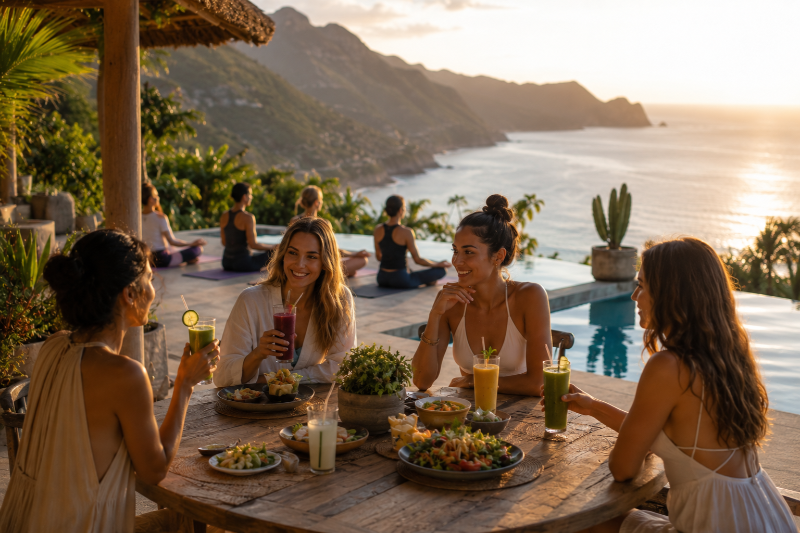
The global rise of sober travel is transforming the tourism industry in ways few experts predicted a decade ago. Once dominated by nightlife, cocktail culture, and alcohol-centered entertainment, travel is increasingly shifting toward wellness, mindfulness, and personal growth. As travelers place greater value on physical health, mental wellbeing, and meaningful experiences, demand for alcohol-free vacations continues to expand across luxury, wellness, and mainstream tourism sectors.
This evolution reflects broader sober travel trends that prioritize connection, recovery, self-care, and intentional living. Travelers are seeking wellness-focused vacations, recovery-friendly travel, and mindful travel experiences that allow them to engage more deeply with destinations while maintaining healthy routines. Moreover, the rapid growth of wellness tourism has encouraged hotels, resorts, cruise lines, and tour operators to create experiences that do not revolve around alcohol consumption.
At the same time, changing social attitudes toward drinking have contributed to a growing interest in healthy travel trends. Younger generations often view wellness as a lifestyle rather than an occasional indulgence. Consequently, travelers increasingly seek opportunities for restoration, adventure, and self-discovery instead of traditional party-centered escapes.
As wellness tourism continues to expand worldwide, sober travel is emerging as one of the most influential movements shaping the future of hospitality and tourism.
Why Sober Travel Is Growing So Rapidly?
The growth of sober travel reflects significant cultural and lifestyle shifts occurring across many countries. Increasing awareness of mental health, longevity, nutrition, and overall wellbeing has encouraged people to reassess the role alcohol plays in their lives. Moreover, many travelers now prioritize experiences that support long-term health rather than undermine it.
Younger travelers have played an especially important role in accelerating this trend. Many members of Generation Z and younger Millennials consume less alcohol than previous generations. Instead, they often pursue experiences centered on fitness, nature, mindfulness, and authentic cultural engagement. Consequently, travel providers are adapting their offerings to meet changing expectations.
Several factors continue driving growth:
- Increased focus on wellness and longevity
- Greater awareness of mental health
- Rising popularity of mindfulness practices
- Growing demand for authentic experiences
- Expanding wellness tourism sector
Meanwhile, social media has helped normalize alcohol-free lifestyles. Travelers can now easily discover wellness retreats, healthy resorts, and adventure-based itineraries that prioritize wellbeing without sacrificing enjoyment.
The Evolution of Alcohol-Free Vacations
For decades, many vacation experiences revolved around nightlife, beach bars, all-inclusive drink packages, and entertainment districts. Traditional tourism often marketed alcohol as an essential component of relaxation and celebration. However, traveler preferences have begun shifting dramatically.
Today’s travelers increasingly seek immersive experiences that support both physical and emotional wellbeing. Rather than spending evenings in bars, many choose sunrise hikes, spa treatments, meditation sessions, wellness workshops, and culinary experiences focused on nutrition. Therefore, alcohol-free vacations have become attractive alternatives for travelers seeking balance.
Luxury hospitality providers have also embraced the shift. Upscale resorts now offer sophisticated mocktail programs, wellness-focused itineraries, and alcohol-free social spaces. In contrast to older tourism models, these experiences emphasize restoration and personal enrichment rather than excess.
Comparing Travel Styles
| Travel Style | Traditional Vacation | Alcohol-Free Vacation | Traveler Benefit | Wellness Impact |
|---|---|---|---|---|
| Primary Focus | Nightlife and entertainment | Wellness and experiences | Greater engagement | Improved wellbeing |
| Daily Activities | Bars, clubs, parties | Hiking, meditation, spa treatments | Increased energy | Better physical health |
| Social Environment | Drinking-centered | Community-centered | Stronger connections | Reduced stress |
| Recovery Time | Often required after travel | Minimal recovery needed | More productive return home | Sustained wellness |
| Long-Term Effect | Temporary escape | Personal growth | Lasting benefits | Healthier lifestyle habits |
Top Destinations Leading the Sober Travel Movement
Several destinations have become particularly attractive to travelers seeking wellness-oriented experiences.
Sedona, Arizona
Sedona is widely recognized for its dramatic red rock landscapes and spiritual wellness culture. Visitors enjoy hiking, meditation retreats, yoga programs, and wellness spas. Moreover, the region’s natural beauty encourages reflection and mindfulness.
Ojai, California
Ojai attracts travelers seeking tranquility and personal renewal. Wellness resorts, organic dining experiences, and outdoor recreation opportunities make it a natural destination for alcohol-free vacations. Additionally, its relaxed atmosphere appeals to those seeking intentional travel experiences.
Asheville, North Carolina
Although Asheville is known for its culinary scene, it also offers abundant opportunities for wellness-focused exploration. Hiking trails, mountain retreats, creative workshops, and nature immersion programs attract sober travelers throughout the year.
Santa Fe, New Mexico
Santa Fe combines artistic culture with holistic wellness traditions. Visitors can participate in mindfulness programs, spa experiences, cultural exploration, and outdoor adventures while enjoying a slower pace of travel.
Boulder, Colorado
Boulder’s active lifestyle aligns naturally with sober travel values. Travelers often choose hiking, cycling, wellness programs, and outdoor recreation that emphasize health and vitality.
Tulum, Mexico
Tulum has evolved into one of the world’s most prominent wellness destinations. Yoga retreats, beachfront wellness centers, healthy dining experiences, and mindfulness programs attract visitors seeking meaningful travel experiences.
Common attractions across these destinations include:
- Outdoor adventure opportunities
- Wellness retreats and spas
- Mindfulness programs
- Nature immersion experiences
- Health-focused accommodations
Luxury Resorts Embracing Alcohol-Free Experiences
Luxury hospitality providers increasingly recognize the growing demand for sober luxury travel. As a result, several prestigious wellness properties have developed experiences that place wellbeing at the center of the guest journey.
Miraval Arizona
Miraval emphasizes mindfulness, personal growth, and holistic wellness. Guests participate in meditation, fitness activities, nutrition workshops, and wellness coaching rather than nightlife-focused entertainment.
Zulal Wellness Resort
Located in Qatar, Zulal Wellness Resort integrates traditional healing practices with modern wellness approaches. Its programs focus on physical, emotional, and mental wellbeing.
Canyon Ranch
Canyon Ranch remains one of the most influential names in wellness tourism. The property offers personalized health programs, fitness coaching, spa treatments, and longevity-focused experiences.
Mii amo Sedona
Nestled among Sedona’s iconic landscapes, Mii amo provides transformative wellness experiences centered on mindfulness, healing, and personal renewal.
Golden Door
Golden Door has built its reputation on individualized wellness journeys. Guests participate in fitness programs, mindfulness sessions, healthy culinary experiences, and personal development activities.
Key features found at these properties include:
- Wellness-focused programming
- Mindfulness and meditation sessions
- Nutrition-centered dining
- Personalized health assessments
- Alcohol-free social environments
How Wellness Tourism Is Fueling the Trend?
The continued expansion of wellness tourism represents one of the strongest drivers behind the growth of sober travel. Travelers increasingly view vacations as opportunities to improve their health rather than simply escape daily routines.
Spa retreats, wellness resorts, and longevity-focused programs have become major tourism categories. Moreover, advances in health technology and personalized wellness planning have made these experiences more sophisticated and appealing.
Many travelers now seek:
- Health optimization programs
- Stress reduction retreats
- Sleep improvement experiences
- Fitness-focused vacations
- Mindfulness travel opportunities
Consequently, destinations and hospitality providers are investing heavily in wellness infrastructure. This investment continues to create new opportunities for travelers interested in alcohol-free experiences.
Tourism Evolution Toward Wellness
| Experience Type | Traditional Tourism | Wellness Tourism Alternative | Long-Term Benefit |
| Entertainment | Nightlife | Mindfulness retreats | Reduced stress |
| Relaxation | Poolside drinking | Spa therapies | Improved wellbeing |
| Socializing | Bars and clubs | Wellness workshops | Meaningful relationships |
| Adventure | Party destinations | Nature immersion | Enhanced resilience |
| Dining | Indulgence-focused | Nutrition-focused | Healthier habits |
The Rise of Sober Luxury Travel
One of the most fascinating developments in modern tourism is the emergence of sober luxury travel. Affluent travelers increasingly seek premium experiences that support health, performance, and longevity.
Luxury no longer revolves solely around extravagance. Instead, many travelers define luxury as access to expert wellness practitioners, personalized health programs, exceptional sleep environments, and transformative experiences. Therefore, wellness itself has become a status symbol.
Luxury hospitality providers have responded by offering:
- Personalized wellness assessments
- Executive health programs
- Private mindfulness coaching
- Longevity-focused itineraries
- Customized nutrition experiences
Meanwhile, sophisticated alcohol-free beverage programs have become common in luxury resorts. These offerings allow guests to enjoy social experiences without compromising wellness goals.
Recovery-Friendly Travel and Personal Growth
The expansion of recovery-friendly travel reflects growing recognition that travelers have diverse wellness needs. Many individuals seek supportive environments that align with recovery goals while still providing enriching travel experiences.
Recovery-focused retreats often emphasize mindfulness, emotional wellbeing, community support, and personal development. Additionally, these programs create environments where guests can connect without social pressure related to alcohol consumption.
Popular elements include:
- Guided meditation
- Wellness coaching
- Group support experiences
- Nature therapy
- Personal growth workshops
Nevertheless, recovery-friendly travel extends beyond formal recovery programs. Many travelers simply appreciate destinations and accommodations where alcohol is not the central focus of social interaction.
What Travelers Gain From Alcohol-Free Vacations?
The appeal of alcohol-free vacations extends beyond avoiding alcohol itself. Instead, travelers often report a wide range of benefits that enhance the overall travel experience.
Improved sleep quality represents one of the most frequently cited advantages. Better rest often leads to increased energy, greater destination engagement, and improved mood throughout the trip. Consequently, travelers frequently feel more refreshed upon returning home.
Additionally, sober travelers often experience deeper connections with destinations and fellow travelers. Without nightlife-centered schedules, individuals can dedicate more time to cultural exploration, outdoor activities, and meaningful conversations.
Benefits commonly reported include:
- Better sleep quality
- Increased energy levels
- Enhanced mental clarity
- Stronger social connections
- More meaningful travel experiences
As a result, many travelers discover that alcohol-free vacations provide lasting value long after the journey ends.
The Hospitality Industry’s Response
Hotels, resorts, cruise lines, and tourism operators have responded rapidly to changing consumer preferences. The hospitality industry increasingly recognizes that wellness-centered experiences represent both a growing market opportunity and a long-term industry shift.
Many properties now feature extensive mocktail menus designed with the same creativity traditionally reserved for cocktails. Moreover, wellness programming has expanded significantly across all hospitality segments.
Industry responses include:
- Alcohol-free resort experiences
- Wellness-centered activity schedules
- Mocktail innovation programs
- Mindfulness workshops
- Health-focused culinary offerings
Meanwhile, cruise operators are introducing wellness cruises that emphasize fitness, nutrition, mindfulness, and personal development. Consequently, alcohol-free experiences are becoming more accessible across multiple travel categories.
The Future of Sober Travel
The future of sober travel appears exceptionally promising. As wellness tourism continues expanding globally, alcohol-free travel experiences are likely to become increasingly mainstream.
Luxury wellness innovation will probably remain a major growth area. Hospitality providers are expected to invest further in personalized health experiences, longevity programs, and wellness technologies. Additionally, growing consumer interest in preventative health may strengthen demand for wellness-focused vacations.
Several developments are likely to shape the future:
- Expansion of alcohol-free resorts
- Growth in wellness retreats worldwide
- Increased personalization of wellness programs
- Greater integration of health technology
- Mainstream adoption of sober travel experiences
Therefore, sober travel is positioned to become a permanent and influential segment of the global tourism industry.
Unique Insight: Sober Travel Reflects a New Definition of Luxury
The most important insight behind the rise of sober travel is that the trend extends far beyond avoiding alcohol. Instead, it reflects a profound transformation in how travelers define enjoyment, relaxation, and luxury.
Historically, luxury tourism often emphasized excess, indulgence, and exclusivity. However, modern travelers increasingly prioritize wellbeing, longevity, mindfulness, and personal fulfillment. In contrast to previous generations, many now view health itself as the ultimate luxury.
Moreover, travelers are seeking experiences that create lasting value rather than temporary escape. Wellness is becoming central to tourism decision-making, while meaningful experiences increasingly outweigh nightlife-focused entertainment.
As a result, alcohol-free vacations represent a broader cultural shift. Travelers are redefining success, leisure, and personal enrichment through experiences that support both immediate enjoyment and long-term wellbeing. This transformation may ultimately become one of the most significant changes the tourism industry experiences during the coming decade.
Conclusion
The rapid rise of sober travel demonstrates how dramatically traveler priorities are evolving. Driven by wellness tourism, changing attitudes toward alcohol, growing health awareness, and increasing demand for meaningful experiences, alcohol-free vacations have become a powerful force within modern tourism.
From wellness destinations such as Sedona, Ojai, and Tulum to luxury properties like Miraval Arizona, Canyon Ranch, and Golden Door, travelers now have more options than ever before. Moreover, hospitality providers continue innovating to meet demand for wellness-focused vacations and recovery-friendly travel experiences.
As wellness tourism expands and travelers place greater emphasis on health, longevity, and personal growth, sober travel is likely to become an increasingly mainstream choice. Ultimately, the movement reflects a broader redefinition of luxury, enjoyment, and wellbeing in contemporary travel.
Frequently Asked Questions
What is sober travel?
Sober travel refers to travel experiences that do not center around alcohol consumption. Instead, travelers prioritize wellness, mindfulness, outdoor activities, cultural exploration, and personal growth. The growing popularity of sober travel reflects changing lifestyle preferences and wellness priorities.
Why is sober travel becoming more popular?
Growing interest in health, mental wellbeing, longevity, and meaningful experiences has encouraged more travelers to choose alcohol-free vacations over nightlife-centered tourism.
What are alcohol-free vacations?
Alcohol-free vacations are trips designed around wellness, adventure, relaxation, culture, and personal enrichment without emphasizing drinking or nightlife activities.
Which destinations are best for sober travelers?
Popular destinations include Sedona, Ojai, Asheville, Santa Fe, Boulder, and Tulum due to their strong wellness offerings, outdoor activities, and mindfulness opportunities.
Are there luxury resorts designed for sober travel?
Yes. Properties such as Miraval Arizona, Canyon Ranch, Mii amo Sedona, Golden Door, and Zulal Wellness Resort offer wellness-centered experiences that naturally support sober travel.
What is wellness tourism?
Wellness tourism involves travel experiences focused on improving physical, mental, and emotional wellbeing through activities such as spa treatments, fitness programs, mindfulness practices, and health optimization.
Is sober travel connected to recovery-friendly travel?
Yes. While not all sober travelers are in recovery, many recovery-friendly travel experiences share similar goals involving wellness, mindfulness, supportive environments, and healthy lifestyle choices.
What are the benefits of alcohol-free vacations?
Benefits include improved sleep, increased energy, deeper destination engagement, stronger social connections, enhanced wellbeing, and more meaningful travel experiences.
How is the hospitality industry adapting to sober travelers?
Hotels and resorts are expanding wellness programming, introducing sophisticated mocktail menus, creating alcohol-free social experiences, and developing wellness-focused vacation packages.
What is the future of sober travel?
The future of sober travel includes expanded wellness tourism, increased luxury wellness innovation, growth of alcohol-free resorts, and greater mainstream adoption across global tourism markets.