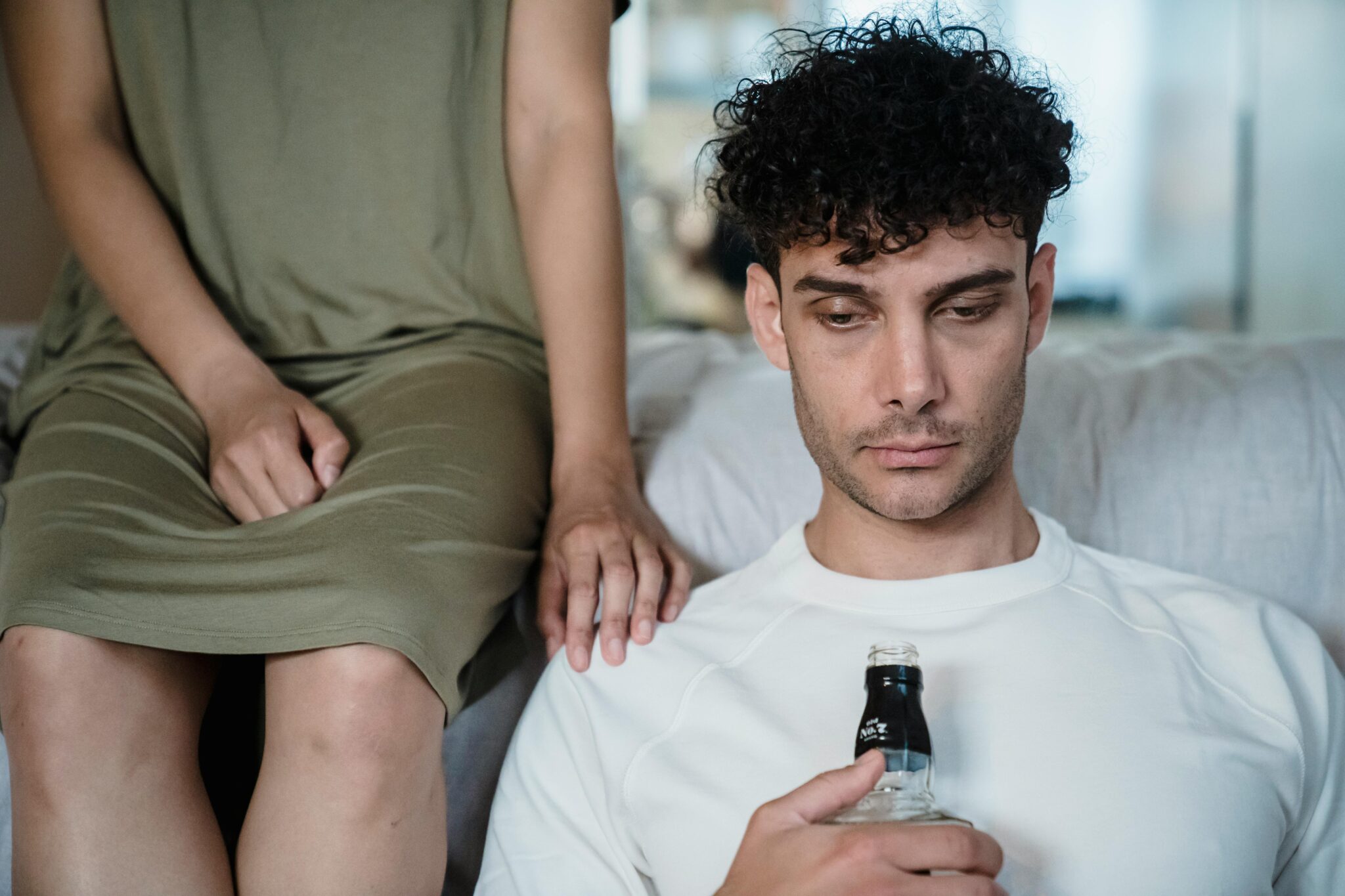
Many people enjoy a casual drink with friends during weekend gatherings. Sometimes social drinking changes into a deeper habit without clear warning signs. The shift changes how a person functions day to day in their normal routine.
Heavy drinking can alter daily choices and personal responsibilities quite heavily. It affects your physical body and your relationships with close family members. Recognizing shifts helps people make healthier choices for their long-term future.
Understanding Changing Habits
Social gatherings often center around specific drinking options and activities. People may find themselves reaching for a glass more frequently during stressful weeks. Routine can quietly turn into a deeper necessity that controls your schedule.
Spotting a shift in daily habits takes careful reflection and honesty. You can read online, like in this blog post, to better understand the subtle patterns of reliance before problems grow. Learning the warning signs provides clarity for individuals who want to regain control.
Changes in personal behavior can happen slowly over several months. Friends might notice someone withdrawing from usual activities to drink alone.
Physical Health Concerns
Heavy drinking damages internal organs over many years of continuous use. The liver faces massive stress from processing toxic substances regularly. Long-term choices create major medical challenges that require professional attention.
Social dynamics can influence recovery pathways significantly in different environments. A public health study found that high social pressure to cut back drinking correlated with a shorter time to death.
Chronic drinking creates several distinct medical issues for the human body. People often experience a wide range of body changes:
- Frequent sleep disruptions and extreme fatigue during daylight hours.
- Weakened immune responses make fighting common illnesses difficult.
- Regular stomach discomfort and nutritional deficiencies from poor diet choices.
Long-Term Life Expectancy
Heavy alcohol use shortens a person’s lifespan drastically over several decades. The strain on blood vessels increases daily medical risks for heart problems. Every year of heavy drinking reduces wellness and limits future opportunities.
Medical researchers look closely at long-term survival statistics across different populations. Data from a medical journal showed an average lifespan loss of 1.76 years for men experiencing alcohol issues. Women faced a loss of 0.59 years from similar patterns.
Statistical losses represent real-time missed time with close family members. Small daily choices add up to massive consequences for your physical survival.
The Scope of Annual Statistics
The broader community feels the heavy weight of dependency issues every day. Families struggle to support loved ones through difficult health battles and emotional stress. Communities require better educational tools to address widespread concerns.
National health agencies keep track of yearly mortality figures very closely. Reports from a federal agency indicated that nearly 178,000 individuals die from excessive alcohol use annually in America. A large number highlights a major national problem that needs attention.
Public awareness campaigns can help reduce the numbers through clear education. Support systems offer guidance to those seeking a different path toward healing.

Evaluating personal drinking habits leads to better health outcomes. Small changes create a massive difference in daily energy levels and mental focus. Reaching out for guidance provides a path toward positive lifestyle adjustments and renewed strength.
The journey toward wellness begins with a single conscious choice each morning. People can rebuild their health by focusing on positive choices and healthy relationships. Support from friends and family makes a meaningful difference during the transformation.