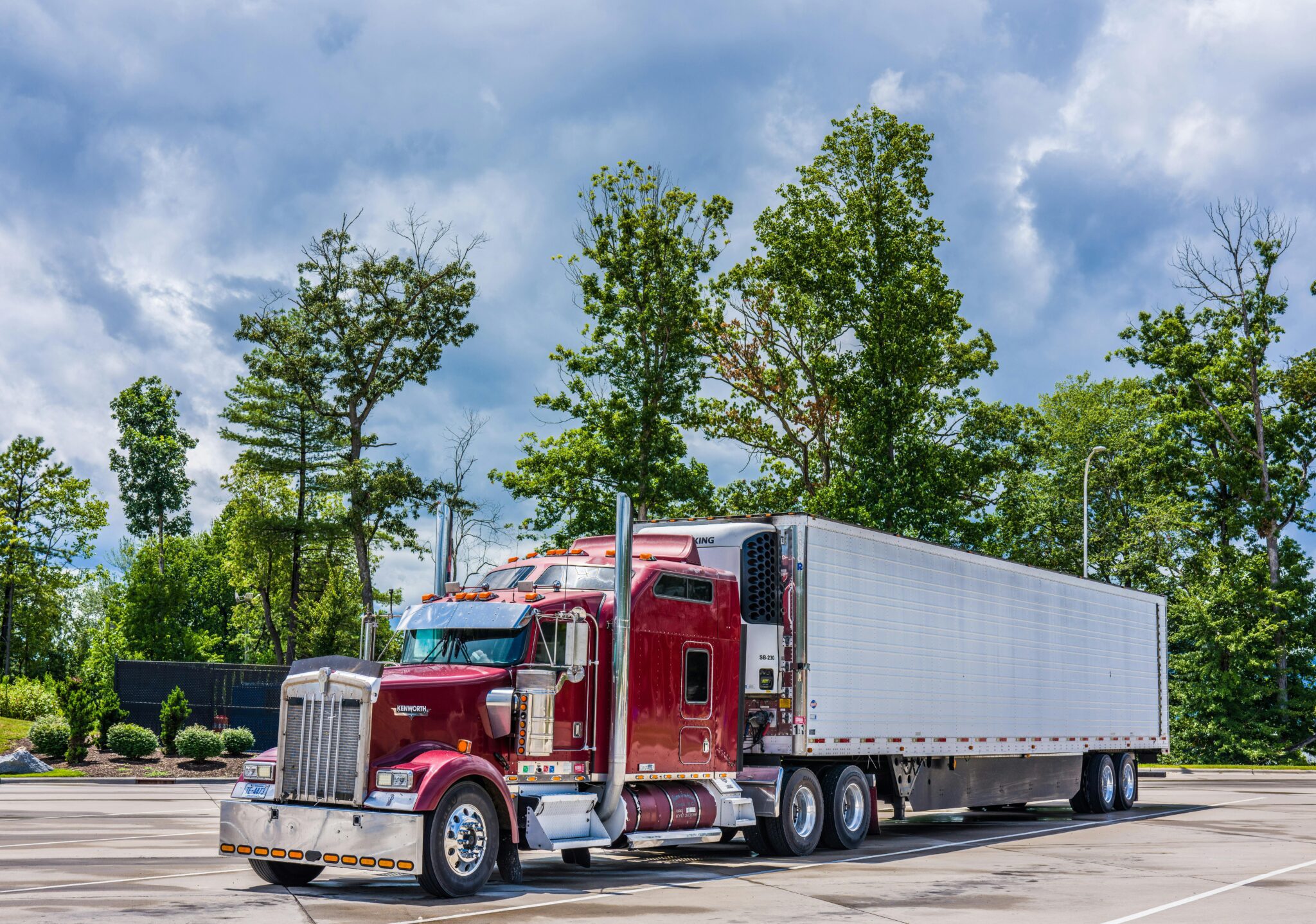
The sight of a vehicle towing a trailer is a regular occurrence on our expansive Texas highways. From weekend boaters heading down to the lake and families pushing cross-country moves to landscaping crews hauling hefty commercial stuff, towing is kind of stitched into the everyday rhythm of travel. Still, this routine action depends almost completely on one critical hardware piece that a lot of drivers assume is fine: the trailer hitch assembly. When even one part of that system is faulty, kind of neglected, or put wrong, it becomes a terrifying and immediate hazard to everyone on the road together. If you or someone you love has had to face the aftermath of a runaway trailer collision, meeting with a dedicated car accident lawyer in Austin can give you the legal direction you need to pursue the responsible party or parties. Knowing the less obvious mechanics behind hitch failures matters a lot because it helps explain why these incidents feel especially dangerous.
The Slightly Hidden Anatomy of a Towing Disaster
A trailer hitch is not only a metal ball bolted to a bumper, but also a fairly engineered system designed to absorb and manage thousands of pounds of momentum under harsh conditions. A typical assembly includes the receiver hitch, ball mount, coupler, and backup safety chains.
The risk starts when any one piece in that chain lets go. For example, if a coupler is rusted, has a crack, or is made of low-grade steel, it can fail internally while traveling at highway speeds. And when that occurs, the trailer immediately detaches from the towing vehicle. Without the connection holding it, a multi-ton trailer suddenly behaves like an unguided object moving at around 70 miles per hour, cutting across lanes of traffic with virtually no steering control, no braking assistance, and no chance for the driver to respond in time.
The Terrifying Dynamics of a Runaway Trailer
A runaway trailer accident is one of the most feared scenarios on the interstate because of the chaotic, unpredictable way it unfolds. When a trailer disconnects completely, it immediately triggers several distinct highway hazards:
- The Deadly Crossing: Deprived of its tow vehicle’s forward momentum, a detached trailer often fishtails violently before careening over the median into oncoming traffic, resulting in high-speed, catastrophic head-on collisions.
- The Invisible Barrier: If a trailer detaches at night or around a blind curve, trailing drivers receive no warning. A large utility trailer or camper resting sideways in the middle of a dark lane creates an immovable wall that smaller passenger cars cannot avoid.
- The Overlooked Safety Net Failure: Many drivers assume that safety chains will automatically prevent a total detachment. But if those chains are too long, severely rusted, or the way they are crossed under the tongue is wrong, they can start dragging on the asphalt, snap under sudden tension when a disconnect occurs, or simply fail to hold the trailer back from crashing into the ground and flipping over.
According to data from the National Highway Traffic Safety Administration (NHTSA), towing-related mechanical failures lead to thousands of entirely preventable accidents on U.S. highways each year, often resulting in severe injuries and even fatalities.
The Disparity in Protection and Impact Force
The physics of a trailer strike can be brutal for folks inside normal passenger cars. A fully loaded utility trailer can weigh like two to three times as much as a standard sedan, so the difference hits hard.
When that unguided mass collides with a smaller vehicle, the occupants of the car absorb the overwhelming majority of the kinetic energy. Because trailers lack the built-in safety features of modern cars, like crumple zones, side-impact bars, or airbags, they do not deform to absorb energy; instead, they plow directly through the passenger cabins of smaller vehicles, causing life-altering injuries like traumatic brain injuries, crushed limbs, and spinal cord damage.
Conclusion
Trying to sort out the legal aftermath of a highway towing crash really needs a deep look at things like equipment ratings, maintenance logs, and maybe even manufacturing defects. At the same time, you still want to be able to sit down with a compassionate car accident lawyer in Austin, so your family is aligned with the right kind of support, and your rights are fiercely protected while forensic experts and other specialists piece together exactly why the hitch, or trailer connection, failed. If we enforce strict accountability, we can push for safer towing practices and ensure that the Texas highways we all share remain safe for everyone on the road.