
One of the most admired trends in the real estate sector is the cash home-buying market in secondary cities. It is steadily transformed by artificial intelligence. These are cities outside of the main urban centers. In these cities, the data is less trustworthy, and real estate transactions often proceed more slowly. AI-driven pricing systems are taking over to enhance the speed, accuracy, and clarity of appraisals. This change is shifting the way buyers and sellers engage. Hence, opening up new investment opportunities and improving liquidity in previously neglected sectors.
The Role of AI in Real Estate
Artificial intelligence has the potential to analyze vast amounts of data and generate accurate insights. It has made the use of AI a rigid force in the real estate industry. Secondary cities often lack the potency already available in large cities. By analyzing comparable sales, local patterns, and economic figures. AI models help in eliminating that gap. It helps cash buyers and investors make confident decisions, even in previously volatile markets.
Why Secondary Cities Are Becoming More Crucial
Secondary cities offer opportunities for remote workers, improved lifestyles, and affordability. Secondary cities are growing in popularity. People can now relocate from pricey metropolitan areas to smaller cities. Housing in these cities is more affordable, and living standards can be higher. Thanks to the evolution of remote work, now work is possible even in small cities. Investors have been attracted to these areas by the rising housing demand driven by this migration.
John Swann — Founder, John Buys Your House said,
“In Charlotte, we’re observing sellers who once waited months for a fair number now receive offers within days. It actually displays what’s happening on their street, not just a zip code average. Algorithmic pricing has encouraged cash buyers to be honest. Now, you can’t lowball a seller who can see the same comps you’re looking at. That transparency is transforming the conversation at the kitchen table. It means that cash home buyers don’t have to wait for traditional appraisals to evaluate homes swiftly and make bids with greater confidence.
How AI-Powered Pricing Tools Work
Machine learning models are built on thousands of real estate data points. It includes transactions, demographic information, and regional economic trends that are the foundation of AI-powered pricing systems. They can predict future trends like rental yields and precisely predict property values. Besides this, it can even analyze hazards such as zoning issues or deteriorating neighborhood conditions.
AI Tools and Their Uses in Cash Home Buying
In this niche, AI tools are useful in several practical ways. Some of these uses are
Automated Property Valuation
Automated property value is the most efficient use. AI algorithms may instantly analyze a home’s fair market value by comparing it with history. It may include previous sales, rental yields, and area demand rather than waiting for traditional appraisals. For cash purchasers who prefer to close purchases swiftly, this accelerates transactions.
Predictive Analytics
Another crucial use is predictive analytics. AI can predict how property values might change in the near future. It works by evaluating migration patterns, job growth, and infrastructure progress in secondary cities. It helps investors determine areas with strong growth potential before prices rise.
Risk Detection
AI tools are also helpful in risk detection. They can mark potential troubles such as declining neighborhood conditions, zoning restrictions, or even environmental risks. It allows buyers to make more informed decisions and prevent major mistakes.
Negotiation and Transparency
Finally, AI is enhancing negotiation and transparency. Sellers can get data-backed valuations. It decreases pricing disputes, while buyers can justify their offers with transparent evidence. This creates swift transactions and creates trust in markets that were once considered unpredictable.
The iBuyer model was trained on information asymmetry, and that edge is disappearing quickly in secondary markets where data volume is finally catching up. What we’re watching now is a correction. Plus, cash buyers who stick to smart pricing tools are closing deals, while those who are still thinking are losing to sellers who’ve done their homework. Speed and accuracy together are the new competitive benefit. Moreover, these uses, such as valuation, forecasting, risk management, and negotiation support are making cash home buying in secondary cities faster, smarter, and more reliable.
Benefits for Cash Buyers
Cash buyers grow on speed, and AI tools give them exactly that. They can close the deals instantly rather than waiting for drawn-out valuation procedures. They also get incredible negotiating power. Besides this, their offers and deals are backed by data-driven valuation.
The iBuyer model was built on information asymmetry, and that edge is fading quickly in secondary markets where data density is finally catching up. What we’re observing now is a correction. Cash buyers who embrace smarter pricing tools are closing deals that actually stick. However, the ones still guessing are losing to sellers who’ve done their homework. Speed and accuracy together are the new competitive benefit. Besides this, its efficiency allows them a clear edge over competitors who still depend on traditional methods. In competitive markets, being able to close a deal within hours rather than days can mean the difference between winning and losing. AI tools also help purchasers avoid overpaying, since valuations are based on real-time data rather than outdated assumptions.
Impact on Sellers and Local Markets
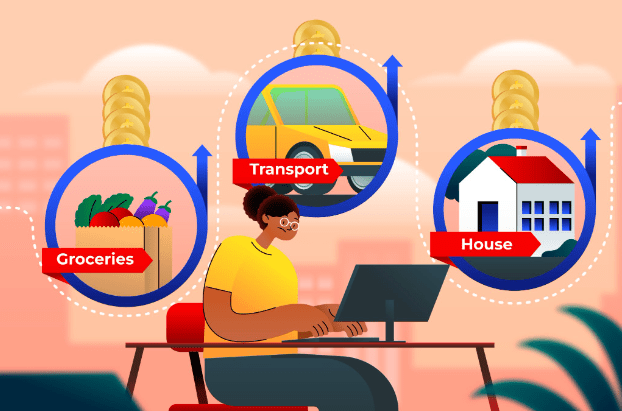
Sellers take advantage of AI-powered pricing tools because they bring transparency to the process. Instead of controversies over property values, sellers can see transparent, data-backed valuations. It usually leads to instant sales and fewer failed negotiations.
Madison Hayes — Founder, Gateway Realty Group, said,
“Off-market doesn’t mean unaware anymore, and sellers in these markets are establishing it every day. When a cash buyer enters with an offer backed by real pricing logic rather than instincts. The deal closes more quickly because the seller isn’t left assuming they left money on the table. That reliability is what’s really declining the old playbook. Local markets also thrive because AI-driven liquidity catches more investors. It can stimulate development and boost property values over time. In many cases, it develops a more dynamic and competitive environment in cities that were once ignored.”
The Future of AI in Secondary Cities
Looking ahead, AI-powered pricing tools will raise standards in cash home buying. As datasets progress and models improve, valuations will become even more accurate. Incorporating blockchain and digital transaction platforms could further facilitate deals. It makes secondary cities as efficient as major hubs.
The transition of data will encourage both buyers and sellers. It assists in reshaping the real estate landscape in ways that were unimaginable just a decade ago. Secondary cities may even leapfrog larger markets in terms of competence, since they are more open to incorporating new technologies without being stuck with legacy systems.
We may also see AI tools merge with virtual reality. It allows buyers to analyze a property’s value and also tour it remotely. It could make investing in secondary cities even more available to global investors.
Conclusion
AI-powered pricing tools are more than just a technological advancement. They are radically changing the secondary city cash home buying procedure. These tools are boosting the market and opening new opportunities for investors. It enhances accuracy, speed, and transparency. Moreover, early adopters of these tools will likely have a competitive edge, whereas late adopters risk falling behind. AI will play a key role in the transformation of secondary cities as their significance grows.