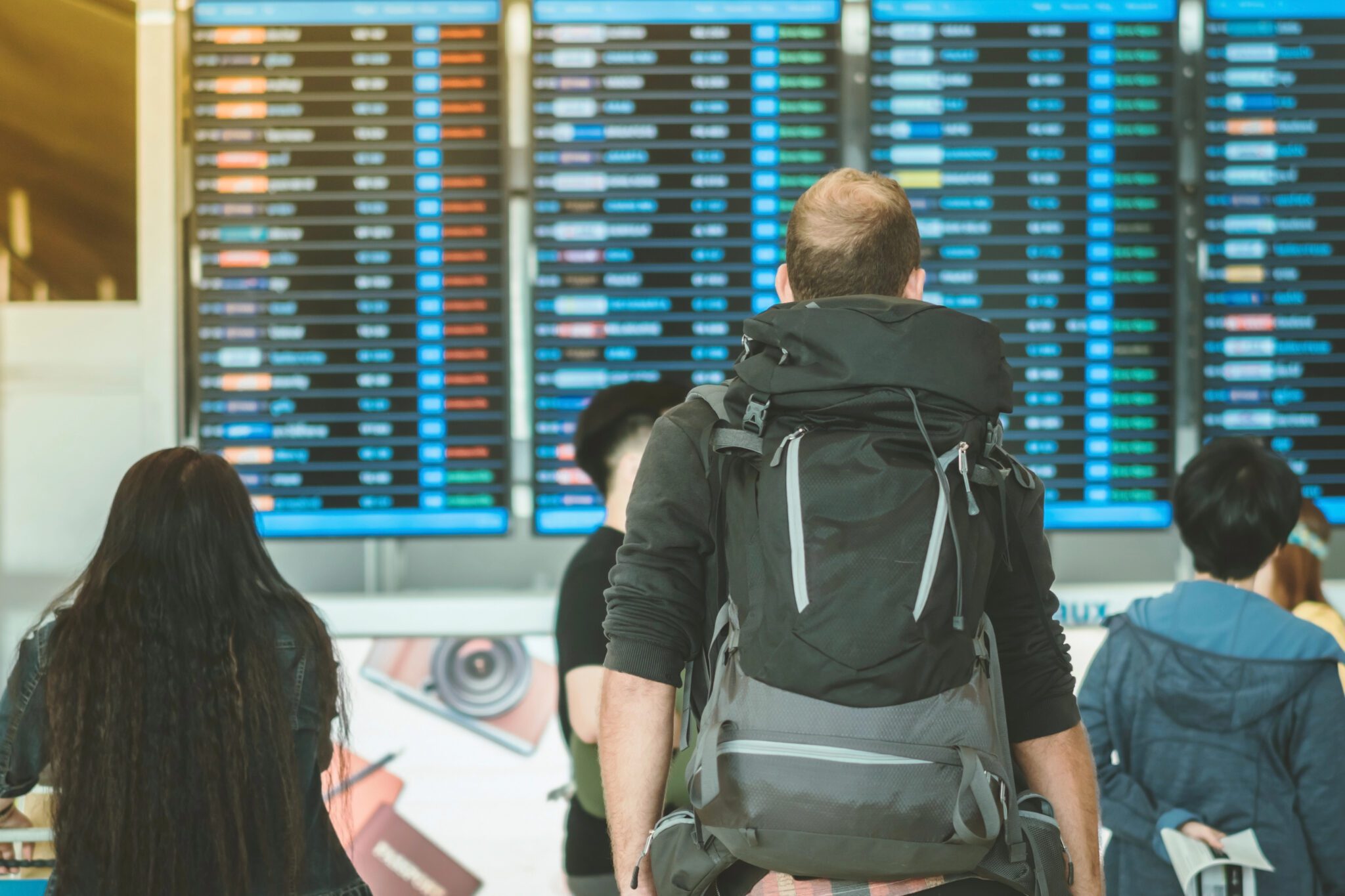
Nobody books a flight and thinks, “Great, now let me spend the next hour pricing the annoying parts.”
People look at the fare first. Of course they do. It’s clean. It’s searchable. It gives you that small rush when one airline drops below the others by $62. You feel like you’ve done the responsible thing.
Then the trip starts collecting little bills.
Parking. A rideshare that surges because your flight leaves before sunrise. A checked bag you swore you wouldn’t need. Airport coffee because everyone left the house too early to eat. A hotel that looked cheaper until you remembered it’s 35 minutes from everything you actually came to do.
That’s how a “good deal” turns into a trip that feels strangely expensive. Not because one cost blindsided you, but because ten small ones did.
The flight price is usually the wrong starting point
Airfare is not fake. It matters. But it’s only one piece of the trip, and sometimes it gets more attention than it deserves.
Take the early flight. On paper, it looks smart: cheaper ticket, more time at the destination, maybe less airport traffic. In real life, it might mean waking up at 3:45 a.m., paying extra for a rideshare. Trains aren’t running the way you need them to, and buying breakfast at the terminal because nobody had the patience to make toast in the dark.
The same thing happens on the way home. A late return flight can look like a bonus day until you land tired, wait for bags, pay peak rates to get home, and realize tomorrow morning is still a workday.
For families, this gets even less tidy. A couple can recover from a rough airport plan with coffee and silence. Add children, bags, a stroller, or an elderly parent, and “we’ll figure it out when we get there” becomes the most expensive sentence in the itinerary.
Boston is a good example because Logan is close enough to feel convenient but busy enough to punish loose planning. A family leaving for a long weekend may spend days comparing flights, then barely think about what happens to the car. The smarter move is to put airport access into the first round of trip math, the same way you’d price a hotel or checked bag, because offsite parking near BOS can be part of the actual cost decision before the morning-of rush takes over.
It’s not about being cheap. It’s about not pretending the trip begins at the gate.
A better habit is to price the route from your front door, not from the airport. How are you getting there? What happens if traffic is ugly? Where does the car go? How long is the walk or shuttle? What will the return look like when everyone is less patient than they were on day one?
Those aren’t glamorous questions. They’re the ones that keep the trip from becoming irritating before it even starts.
Small airport costs arrive when your guard is down
The airport is very good at catching people in weak moments.
You’re tired. You’re late. You’re holding a boarding pass in one hand and trying to remember which pocket has your ID. That is not the moment most people make calm money decisions.
A $7 bottle of water feels annoying but harmless. A $22 sandwich feels like survival. A checked bag fee feels unavoidable because the overhead bins suddenly seem like a battlefield. A seat assignment fee gets easier to accept when you’re traveling with a child and don’t want to gamble on the airline’s mercy.
These are not signs of financial failure. They’re signs of how travel actually works. The problem is that people keep treating them like surprises.
Food is messier because it doesn’t show up during booking. Nobody adds “airport lunch for four” to the trip estimate. They should. A family that saves $120 on airfare can give a chunk of it back through snacks, coffee, and rushed meals before boarding.
Then there’s timing. Timing is the invisible fee.
Leave too late, and you may pay for it through surge pricing, panic parking, missed public transit, or a bad security line. Leave too early, and the cost shows up as food, boredom, and a longer day than anyone needed. Either way, the airport gets more expensive when the schedule is built around hope.
Impact Wealth’s broader coverage of saving money and building better financial habits applies neatly here: the money that disappears fastest is often the money never assigned a job. Airport spending is full of those loose dollars.
One practical way to avoid this is almost embarrassingly simple. Before booking, ask what has to go right for the cheaper option to stay cheap.
If the answer is, “We need no traffic, no checked bags, no hungry kids, no shuttle delay, and no weather issue,” that price is not really a price. It’s a best-case scenario dressed up as a fare.
Convenience is worth paying for, but only when you choose it on purpose
Some travel advice gets this wrong. It treats every extra cost as something to defeat.
That’s exhausting. It’s also unrealistic.
Sometimes the closer hotel is worth it. Sometimes the nonstop flight is worth it. Sometimes paying more for parking, a checked bag, or a later departure saves enough time and stress to be the better financial decision. Money is not the only thing being spent on travel. So are attention, patience, sleep, and whatever goodwill exists between the people traveling together.
The trouble starts when convenience is bought accidentally.
A traveler who books the cheapest hotel outside the city may end up paying for rideshares all weekend. A person who refuses to check a bag may buy half their toiletries again after security takes something they forgot to remove. A business traveler who chooses the earliest flight to “get ahead of the day” may arrive too drained to make the meeting useful.
That last one happens more than people admit. There’s a very specific look on the face of someone who saved money on travel and paid for it in brain fog.
For wealth-conscious readers, this is the better frame: spend where the expense removes a real point of failure. Don’t spend because you forgot to plan.
A nonstop flight that protects a tight schedule may be smart. A premium seat on a short flight, because the booking screen made it feel urgent, may not be. Airport parking close to the terminal may be worth it for a two-day work trip. For a weeklong vacation, the daily rate may matter more than shaving a few minutes from the shuttle ride.
Good planning is not about removing every indulgence. It’s about making sure the indulgence is chosen, not extracted from you when you’re tired.
The same idea shows up in lifestyle spending more broadly. Impact Wealth’s piece on modern wealth and everyday living points toward a useful distinction: a better life is not just more consumption. It’s a better judgment about where comfort actually improves the day.
Travel makes that judgment visible. A beautiful hotel lobby doesn’t feel quite as luxurious if everyone arrives irritated because the airport plan was sloppy. A cheap fare doesn’t feel like a win if the rest of the trip is a string of little corrections.
The best travel budget leaves room for reality
A useful trip budget has a little ugliness in it.
Not because the trip will go badly. Because normal travel includes delays, hunger, confusion, tired people, and decisions made under fluorescent lighting. A budget that assumes none of that will happen is more fantasy than plan.
Here’s what a real airport budget should include before the trip is booked, not after:
- Transportation to the departure airport
- Parking or rideshare costs
- Checked bags and seat fees
- Food at the airport window
- Transportation from the arrival airport
- A small delay buffer
- The cost of getting home when everyone is tired
That list is short, but it changes the way you compare options.
A $420 flight may beat a $360 flight if the cheaper one lands late, requires a checked bag, and forces an expensive ride home. A hotel that costs $40 more per night may be the better deal if it cuts out two rideshares a day. A parking plan made three days before departure is usually calmer than one made from the driver’s seat.
The TSA travel checklist is useful because it reminds travelers that airport preparation is still physical and specific: documents, liquids, electronics, medications, bags, prohibited items, and all the small things that slow people down when ignored. The more of that you handle before leaving home, the fewer decisions you make at airport prices.
There’s also an emotional reason to plan the boring parts. They set the tone.
A smooth airport arrival makes the trip feel handled. A messy one makes everyone a little sharper, a little more impatient, and a little less generous. That matters on family trips. It matters on business trips. It matters on those rare vacations where the goal is to feel like yourself again.
Impact Wealth’s look at the best large airports in North America is a reminder that airport experience is bigger than the plane itself. Terminals, access, amenities, and passenger flow all shape the travel day before the destination ever has a chance to impress you.
The mistake is waiting until the airport to start managing the airport.
Wrap-up takeaway
The airport cost that hurts most is usually the one you dismissed as too small to plan. Parking, food, bags, rideshares, timing, and tired decisions can quietly change the real price of a trip. The better move is not to squeeze every dollar until travel feels joyless. It’s to decide, ahead of time, which conveniences are worth paying for and which ones are just the price of poor planning. Before booking your next flight, price the trip from your front door to the hotel door, then fix the one weak spot while you still have good options.