The Four Seasons Yacht is not just another addition to the world of luxury maritime travel; it represents a structural shift in how ultra-high-net-worth individuals experience hospitality at sea. In 2026, the convergence of five-star hotel branding and superyacht design is creating a new category: the floating luxury hotel. This hybrid model is redefining expectations across both the yacht charter industry and high-end resort ecosystems.
Moreover, the Four Seasons Yacht introduces a hospitality-first philosophy to an industry long dominated by ownership-based prestige. Instead of focusing on possession, it emphasizes curated journeys, personalized service, and seamless global consistency. This shift reflects broader changes in UHNW travel behavior, where experience now outweighs asset ownership.
Consequently, elite travelers are increasingly moving away from static villas and private island resorts toward mobile luxury environments. The Four Seasons Yacht embodies this transition by merging movement, exclusivity, and brand trust into a single floating ecosystem that mirrors the comfort of a flagship hotel.
What Is the Four Seasons Yacht Concept?
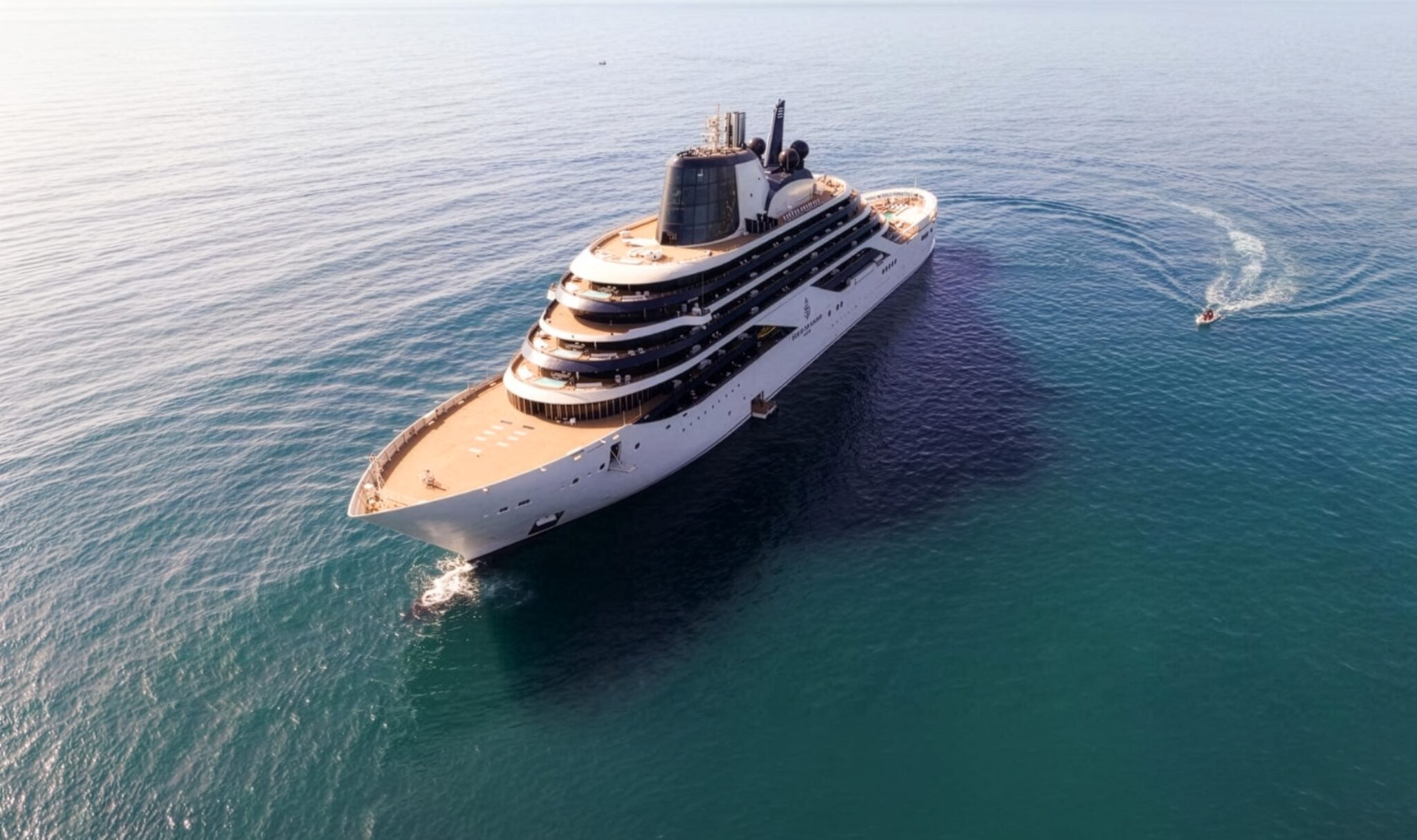
The Four Seasons Yacht is best understood as a floating extension of the Four Seasons hospitality brand, designed to deliver hotel-level luxury on the water. Rather than functioning as a traditional cruise ship, it operates more like an ultra-luxury boutique hotel that moves between global destinations while maintaining consistent service standards and design identity.
Unlike conventional superyacht charters, which vary widely in quality depending on ownership and management, this model introduces brand-controlled consistency. Every suite, dining experience, and onboard service protocol is standardized to reflect Four Seasons’ global luxury positioning.
Key conceptual pillars include:
- A fully branded luxury hospitality environment at sea
- Hotel-grade service delivered in a maritime setting
- Curated travel itineraries instead of fixed routes
- Seamless integration with Four Seasons land-based properties
Moreover, the Four Seasons Yacht removes uncertainty from luxury yacht travel by eliminating variability in service quality. Guests know exactly what to expect, whether they are in Paris, Dubai, or at sea in the Mediterranean.
Why It’s Disrupting Ultra-Luxury Travel?
The introduction of the Four Seasons Yacht is disrupting multiple layers of the ultra-luxury travel ecosystem. Traditionally, UHNW travelers had to choose between private yacht charters, luxury resorts, or hybrid private aviation + villa combinations. This new model collapses those categories into one integrated experience.
Key disruption factors:
- Hotel-grade service on water rather than customized yacht crews
- Unified global luxury branding across sea and land experiences
- Elimination of ownership complexity and maintenance responsibilities
- Elevated experiential travel over static destination stays
Consequently, the Four Seasons Yacht challenges both the superyacht charter market and five-star resort industry simultaneously. It introduces a “mobility-first luxury model,” where the journey itself becomes the destination rather than a fixed location.
Moreover, it reflects a deeper trend in 2026 luxury travel: the fusion of hospitality, transportation, and lifestyle branding into a single unified product.
Four Seasons Yacht vs Traditional Superyacht Charter (2026)
| Category | Four Seasons Yacht | Traditional Superyacht Charter |
|---|---|---|
| Experience Model | Branded luxury hotel at sea | Owner-defined luxury experience |
| Service Structure | Standardized five-star hospitality | Crew-dependent variability |
| Cost Structure | Premium suite-based pricing | Full yacht charter or fractional hire |
| Flexibility | Curated itineraries | Fully customizable routes |
| Target Client | UHNW experiential travelers | Yacht owners and charter clients |
Design & Onboard Experience
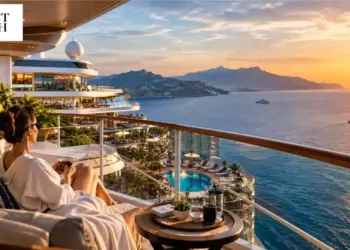
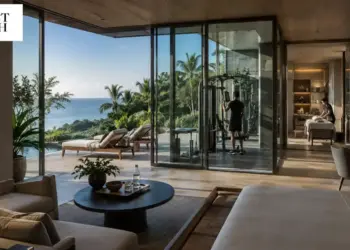
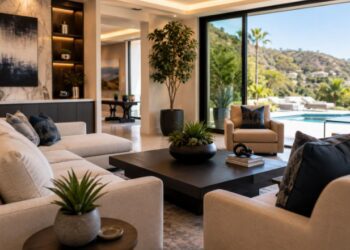
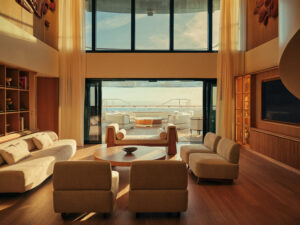 The onboard experience of the Four Seasons Yacht is engineered to replicate flagship hotel environments while maintaining maritime exclusivity. Instead of traditional yacht cabins, guests are offered expansive ultra-luxury suites designed with residential comfort in mind.
Each suite emphasizes space, privacy, and ocean-facing design elements. Interiors are expected to reflect minimalist luxury aesthetics, combining natural materials, panoramic glazing, and high-end smart controls for personalized environments.
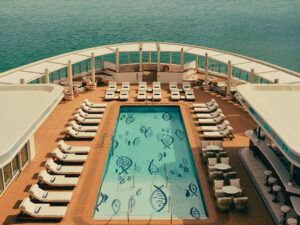
Key onboard features include:
- Michelin-level dining experiences curated by rotating chefs
- Full-service spa and wellness centers inspired by flagship resorts
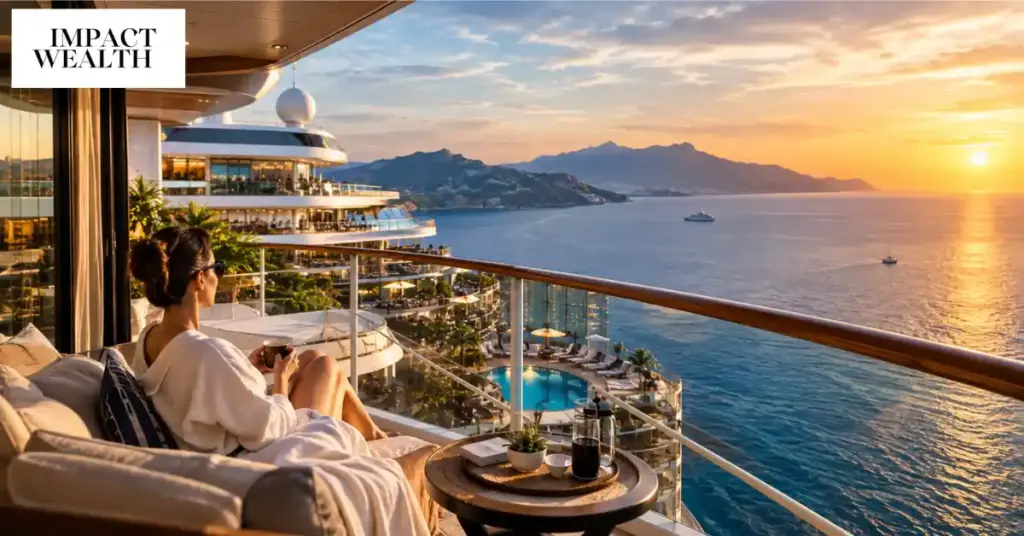
- Private terrace suites with ocean-view lounges
- Butler-level personalized hospitality service
- Entertainment zones designed for high-end social gatherings
Moreover, the yacht’s layout prioritizes flow and discretion, ensuring guests experience both communal luxury spaces and highly private zones. This duality is essential for UHNW travelers who demand both exclusivity and optional social engagement.
The UHNW Traveler Shift
The rise of the Four Seasons Yacht reflects a deeper psychological shift among ultra-high-net-worth travelers. Ownership is no longer the ultimate expression of luxury; instead, curated access and experience design have taken precedence.
In 2026, UHNW individuals increasingly prioritize:
- Time efficiency over asset ownership
- Privacy combined with professional hospitality
- Seamless transitions between global destinations
- Predictable luxury service across all environments
Therefore, the Four Seasons Yacht aligns perfectly with this evolution. It eliminates logistical friction while delivering a consistent brand experience across continents and oceans.
Moreover, travelers are shifting toward “story-based journeys,” where itineraries are designed as narrative experiences rather than point-to-point travel. The yacht becomes a moving stage for curated lifestyle immersion.
Read also: Top 5 yachting destinations in Spain for next season
Pricing & Accessibility
The pricing structure of the Four Seasons Yacht is dependent on the voyage and itinerary and reflects its positioning as a top-tier luxury hospitality product rather than a conventional transport service. Costs are designed to align with ultra-luxury hotel penthouses and exclusive yacht charters.
Moreover, pricing reflects brand value, not just transportation. Guests are paying for:
- Global hospitality consistency
- Curated itineraries across premium destinations
- Elite-level service staffing ratios
- Exclusivity and limited occupancy density
Four Seasons Yacht vs Ultra-Luxury Hotels vs Superyachts (2026)
| Category | Four Seasons Yacht | Ultra-Luxury Hotels | Private Superyachts |
|---|---|---|---|
| Experience | Mobile hotel lifestyle | Static luxury stay | Ownership-based travel |
| Cost Range | $150K–$1M+ per week | $5K–$25K per night suites | $200K–$1M+ charter/week |
| Mobility | High (global itineraries) | None | Medium (owner-dependent) |
| Privacy Level | Extremely high | High | Extremely high |
| Service Level | Branded consistency | Hotel-dependent | Crew-dependent |
Why It Appeals to Billionaires?
The appeal of the Four Seasons Yacht among billionaires is rooted in three core value drivers: consistency, trust, and discretion. Unlike independent yacht charters, this model removes uncertainty in service delivery by standardizing every aspect of the experience.
Moreover, UHNW travelers increasingly prioritize brand trust. Four Seasons brings decades of hospitality credibility, which translates into psychological comfort for guests spending significant time at sea.
Key appeal factors include:
- Zero compromise between yacht privacy and hotel service quality
- Globally recognized luxury hospitality standards
- High discretion and security protocols
- Seamless integration with land-based Four Seasons properties
Additionally, a common perception among early adopters captures the shift in mindset:
“It feels like a hotel that just happens to move between islands.”
This statement reflects how the yacht is reframing mobility as part of luxury identity rather than a logistical feature.
Competition Landscape
The Four Seasons Yacht enters a competitive landscape already shaped by luxury innovation from multiple sectors. Traditional superyacht charters remain strong, but branded hospitality yachts are emerging as a major disruptor category.
Key competitors include:
- Private yacht charter companies offering fully customized vessels
- Luxury hotel brands expanding into maritime travel concepts
- Hybrid travel models combining private aviation with villa stays
- Emerging branded yacht concepts such as Ritz-Carlton’s maritime initiatives
However, Four Seasons differentiates itself by positioning the yacht not as a vessel, but as a fully integrated floating hotel ecosystem. This distinction allows it to compete simultaneously in hospitality, travel, and experiential luxury markets.
Limitations & Considerations
Despite its innovation, the Four Seasons Yacht model comes with inherent limitations. The most significant barrier is pricing, which restricts access to a very narrow UHNW segment.
Other constraints include:
- Extremely limited availability due to high demand and small capacity
- Seasonal operational windows depending on maritime routes
- Reduced flexibility compared to fully privately owned yachts
- Dependence on brand-defined itineraries rather than complete customization
Therefore, while the model offers unmatched consistency, it does so at the cost of absolute freedom, which some traditional yacht owners may still prefer.
2026 Luxury Travel Trends
The emergence of the Four Seasons Yacht reflects broader structural shifts in luxury travel behavior in 2026. The industry is moving toward integrated, experience-first ecosystems.
Key trends include:
- Rise of branded yacht hospitality models across luxury brands
- Convergence of hotels and maritime travel experiences
- Growth of curated multi-destination luxury itineraries
- Increasing demand for global service consistency
- Shift from ownership culture to access-based luxury consumption
Moreover, luxury travelers are prioritizing emotional value and narrative-driven journeys over material possession. This positions floating hotels as one of the fastest-growing ultra-luxury categories.
Conclusion
The Four Seasons Yacht represents a defining moment in the evolution of ultra-luxury travel. By merging hospitality precision with maritime mobility, it introduces a new category that challenges both private yacht ownership and luxury resort dominance. In 2026, this hybrid model reflects the future of elite travel: seamless, branded, experiential, and globally consistent.
FAQs
What is the Four Seasons Yacht?
It is a floating ultra-luxury hotel concept operated by Four Seasons, combining yacht travel with five-star hospitality.
How much does it cost to stay on the Four Seasons Yacht?
Estimated pricing ranges from $150,000 to over $1 million per week depending on suite category and itinerary.
Is it a cruise ship or a yacht?
It is neither in the traditional sense; it is a branded luxury yacht hotel focused on experiential travel rather than mass cruising.
How is it different from a private yacht charter?
It offers standardized hotel-level service, while private yachts depend on ownership, crew quality, and customization.
Who is the Four Seasons Yacht for?
It is designed for ultra-high-net-worth individuals seeking curated luxury experiences with consistent global service standards.
Photos courtesy of Four Seasons Yachts