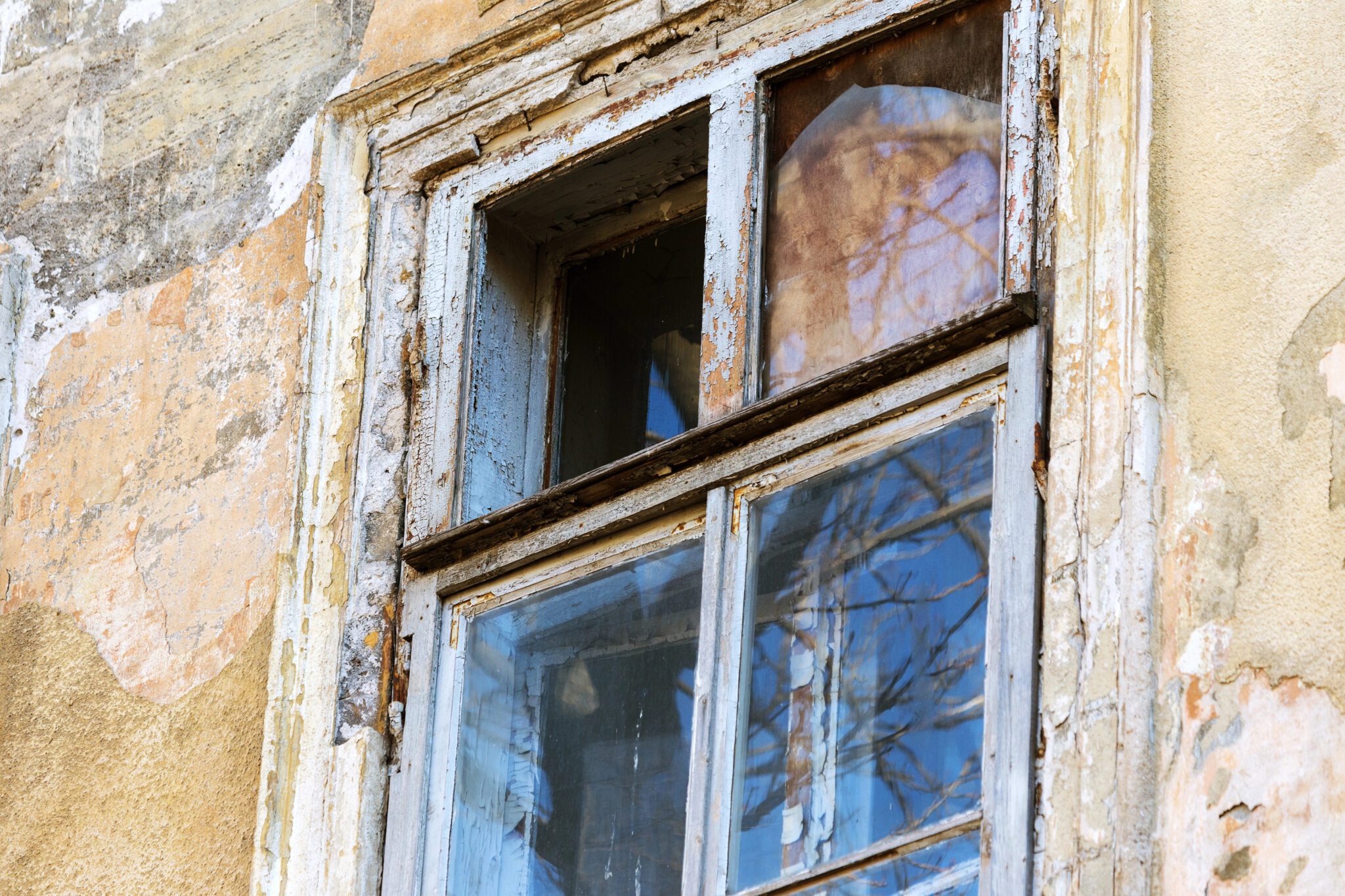
Old windows can look fine at a glance. But behind the scenes, they can quietly add to your expenses and affect how comfortable your home feels.
Small issues like poor insulation or tiny gaps can build up over time. You may not notice them right away, but they can lead to higher bills, more repairs, and a less enjoyable living space. Here are some hidden reasons why keeping old windows might be costing you more than you think.
1. Poor Insulation Increases Energy Bills
Older windows often don’t hold heat very well. During colder months, warm air escapes easily, and in warmer months, heat from outside comes in. This makes it harder to keep your home at a steady temperature.
Because of this, your heating and cooling systems work harder than they should. That extra effort leads to higher energy use and bigger bills. Upgrading to better-insulated windows can help you keep your home comfortable while lowering those costs.
2. Air Leaks Affect Comfort
Over time, small gaps can form around old windows. These gaps let in cold or hot air, even if you don’t notice it right away. You might feel certain spots in your home that are always too warm or too cold.
These air leaks make it harder to maintain a consistent indoor temperature. When you replace older windows, you reduce these drafts and create a more balanced environment. This helps your home feel more comfortable every day.
3. Outdated Materials Reduce Efficiency
Many older windows were built with materials that don’t perform well by today’s standards. They may wear out faster or struggle to handle changes in temperature. This reduces their ability to keep heat inside or outside where it belongs.
Modern options like uPVC Windows are designed to handle these issues better. They offer improved insulation and durability, making them more efficient over time. Choosing newer materials helps your windows last longer and perform better in different weather conditions.
4. Frequent Repairs Add Up
Older windows often need regular maintenance to keep them working properly. You might deal with loose frames, worn seals, or difficulty opening and closing them. While each repair might seem small, the costs can add up quickly.
Replacing old windows can reduce the need for ongoing fixes. Instead of spending money on repeated repairs, you invest in a long-term solution. This makes it easier to manage your budget and avoid unexpected expenses.
5. Noise Reduction Is Limited
Older windows let in a lot of noise from the outside world, especially if you live in a busy area. There is a possibility that sounds from the street, the neighbours, or traffic will become a regular part of your environment. Because of this, it may be more difficult to relax at home.
Newer windows are designed with better sound insulation. By doing so, they contribute to the creation of a more peaceful environment inside the building. This straightforward improvement has the potential to produce a more tranquil and cosy atmosphere in your home.
6. Property Value May Be Affected
Windows play a bigger role in your home’s value than you might expect. Buyers frequently assess a property’s maintenance and energy efficiency. Old windows can make a home seem outdated or less efficient.
Upgrading your windows can improve both the look and performance of your home. It can make the space feel brighter, cleaner, and more modern. This can help attract buyers and increase the overall value of your property.
Upgrade Your Windows, Improve Your Home
For now, old windows might not seem like a big deal, but they can change your comfort, how much energy you use, and your costs over time. Getting new windows that work better will only help solve these issues. The upgrade is useful and can make a big difference in your daily life.