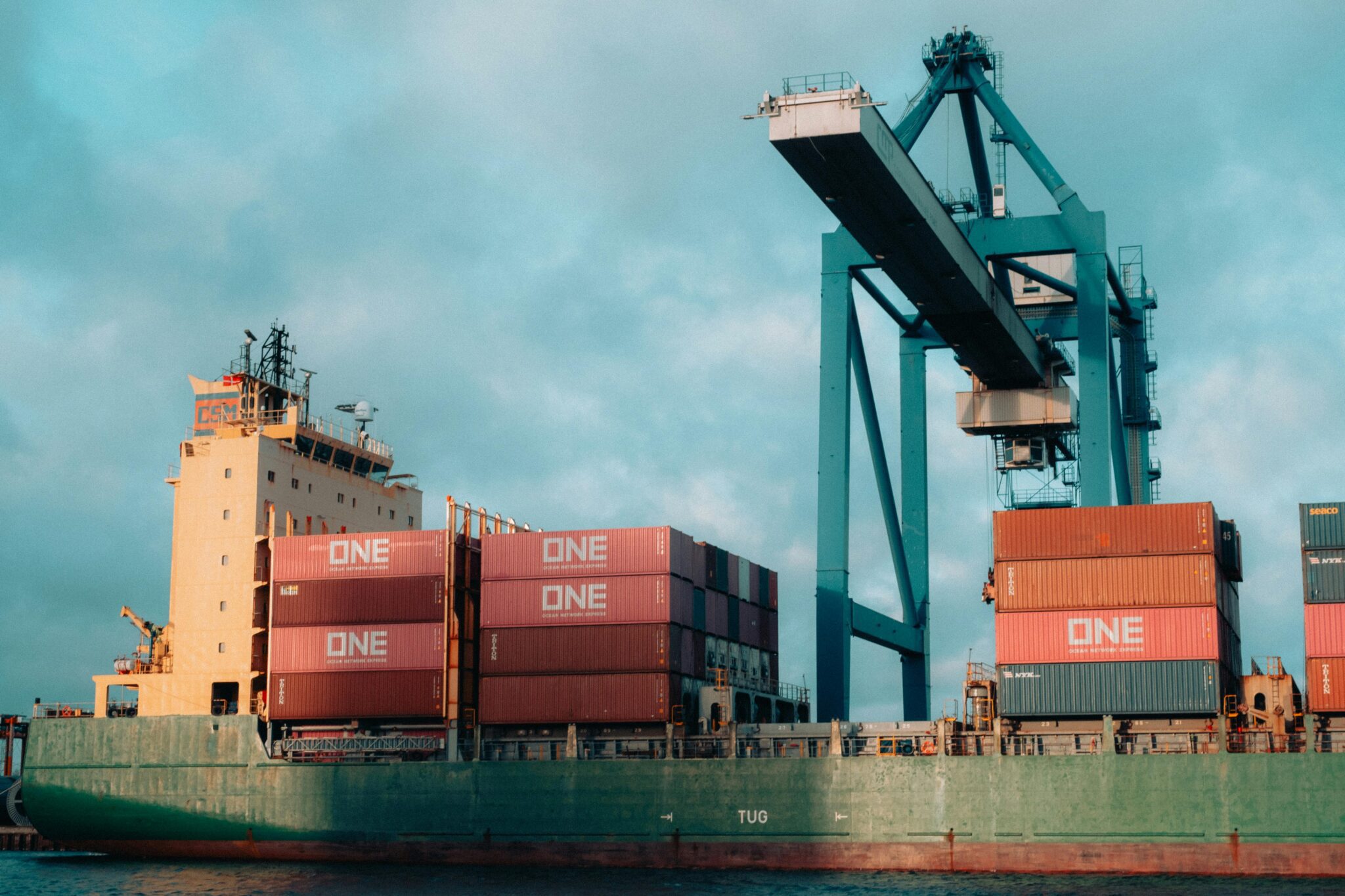
Freight delays rarely happen because cargo travels too far. Most breakdowns occur during the transition between ships, railcars, and trucks. Transloading strengthens that handoff and improves how freight moves across the entire supply chain.
Modern distribution networks demand speed, flexibility, and cost control. Transloading has become a practical strategy for improving modern freight efficiency without redesigning an entire logistics footprint.
Why Transloading Matters for Modern Freight Efficiency
Freight networks are only as strong as their weakest transfer point. When cargo sits too long at ports or moves inefficiently inland, costs rise and delivery timelines stretch. Transloading addresses those friction points by creating smoother transitions between transportation modes.
Instead of relying on one method of transport for the entire journey, transloading allows freight to shift strategically between ocean, rail, and truck. Rail can handle long-haul segments more efficiently, while trucks provide flexibility for final delivery.
Using each mode where it performs best improves overall freight flow.
Transloading also creates breathing room within congested port environments. Cargo can be unloaded, sorted, and reconfigured for inland distribution without waiting for long-haul trucking availability.
Faster repositioning reduces dwell time. And it keeps equipment circulating through the supply chain.
Modern freight efficiency depends on adaptability. When routing options expand and freight can be reallocated quickly, supply chains become more stable, responsive, and cost-conscious without sacrificing speed.
Optimizing Freight Flow at Critical Transfer Points
Port congestion and inland bottlenecks continue to challenge supply chains. For instance, a 2024 CNBC report noted that 65 to 70% of U.S. imports were moving inland using transload strategies in 2023, which was a sharp increase from earlier years.
Adoption at that scale signals measurable efficiency gains for shippers.
Many ports rely on Container Freight Station (CFS) environments. At those facilities, imported cargo is unloaded, inspected, and prepared for transfer into domestic transportation.
An operation like the STGUSA transloading facility functions within that CFS framework, connecting international shipments with inland destinations efficiently. For logistics teams and investors evaluating supply chain performance, reviewing how a STGUSA transloading facility operates can provide insight into cargo handling, mode transitions, and strategies used to reduce congestion and improve delivery speed.
At STG Logistics, rail-to-truck transloading is structured as a strategic solution designed to reduce congestion, improve delivery speed, and optimize freight flow across the supply chain.
Integrated facilities and nationwide coverage are critical for modern freight efficiency. They allow importers, exporters, and shippers to move freight efficiently from ports to distribution centers or retail destinations.
Core Operational Benefits
Several practical advantages make transloading central to modern freight efficiency. They include:
- Lower exposure to demurrage and detention fees
- Improved consolidation for long-distance rail moves
- Greater routing flexibility during disruptions
Each benefit supports smoother freight transitions and more predictable delivery outcomes.
Supporting Resilience
Efficiency no longer means cost alone. Responsiveness has become equally important for maintaining service levels when disruptions occur. Faster fulfillment improves reliability and protects revenue when markets tighten.
Transloading strengthens resilience by enabling rapid mode adjustments. When congestion builds at a port or capacity tightens along a rail corridor, freight can shift transportation modes without restarting the entire logistics plan.
Rail handles long-distance freight efficiently, while trucks provide final-mile precision. Coordinating both through structured transloading improves overall network balance and supports consistent service performance.
Advancing Efficiency Across Your Network
Transloading delivers the greatest value when integrated into a broader transportation strategy. Strategic facility placement near ports, rail access, and coordinated drayage create smoother cargo transitions and fewer delays.
Modern freight efficiency depends on intelligent handoffs between transportation modes. Evaluating how transloading aligns with your freight volumes, inland routing, and delivery commitments can reveal opportunities to reduce cost while improving service consistency.
If you are exploring ways to strengthen your logistics network, consider reviewing how modern freight efficiency strategies can support your operational goals. And if this post has been useful, be sure to explore some of our other insightful articles.