Creating a kitchen is one of the most rewarding home improvement projects you can undertake. Whether you love entertaining friends and family, enjoy cooking outdoors year-round, or simply want to make the most of your backyard space, an outdoor bbq kitchen transforms how you live and gather outside. This guide walks through key ideas and considerations for planning, designing, and enjoying an outdoor cooking area that suits your lifestyle.
Why Build an Outdoor Kitchen
Outdoor kitchens extend your living space into nature, make hosting meals more social, and can even boost your property’s value. The core idea is to create a dedicated area where you can cook, prepare, serve, and enjoy meals outside without constantly running back and forth to the indoor kitchen. Many outdoor kitchens centre around a barbecue or grill but can also include worktops, sinks, storage, and seating for comfortable alfresco dining.
Beyond convenience, outdoor cooking creates an experience. The aroma of grilled food, the open air, and the relaxed atmosphere all contribute to a more enjoyable way of preparing and sharing meals. It encourages connection and allows the cook to remain part of the conversation instead of being isolated indoors.
Planning Your Outdoor Kitchen
Assess Your Space and Needs
Before you start gathering ideas, take a step back and think about how you will use the space. Ask yourself:
- Do you plan to host large gatherings or just cook for your family?
- Will you entertain often, or is this for relaxed weekend meals?
- What is the size and layout of your yard, patio, or deck?
Your answers help determine the size, layout, and features of your outdoor kitchen. Placement is equally important. Ideally, it should connect easily to your indoor kitchen and dining areas while still allowing enough room for safe cooking practices. Grills and open flames should be positioned away from flammable materials and have adequate ventilation and clearance.
Set Your Budget
Outdoor kitchens can range from simple grill stations to fully equipped culinary spaces. Establishing a clear budget early allows you to prioritise essential features and avoid unnecessary expenses. Start with the must-haves, such as a reliable grill and sufficient prep space, then consider additional features like refrigeration, storage, or built-in seating if your budget allows.
Designing the Layout
Work Zones for Efficiency
A well-planned layout makes outdoor cooking smoother and more enjoyable. Organising your kitchen into zones helps maintain efficiency and safety.
Cooking Zone
This is the heart of your outdoor kitchen. The grill or barbecue should be placed in a central but safe location. Ensure there is enough space on either side for utensils and trays, and maintain proper clearance for heat and smoke.
Prep Zone
Adequate counter space near the cooking area is essential for chopping, seasoning, and plating. If possible, adding a sink simplifies food preparation and clean-up. Even a small prep area can significantly improve workflow.
Serving Zone
Designate an area for plating and serving food. This helps keep guests away from hot surfaces while creating a natural transition from cooking to dining. A bar-style counter can double as a serving space and casual seating area.
Entertainment Zone
Comfortable seating nearby encourages guests to relax and engage while meals are being prepared. Incorporating features like a beverage fridge or outdoor bar enhances the overall experience and keeps traffic flowing smoothly.
Choosing a Layout That Fits
Smaller spaces often benefit from a straight or linear layout, where appliances and counters are arranged along one wall. Larger areas may support L-shaped or U-shaped configurations, which provide more counter space and better separation of cooking and social zones. Islands are also popular, creating a central gathering point that blends functionality with entertainment.
Choosing Materials and Appliances
Durable Materials Matter
Outdoor kitchens are exposed to the elements, so durability is crucial. Materials should withstand moisture, heat, and temperature fluctuations. Stainless steel, sealed stone, granite, concrete, and treated masonry are popular choices due to their resilience and timeless appeal. Selecting weather-resistant cabinetry and finishes ensures longevity and reduces maintenance over time.
Selecting the Right Appliances
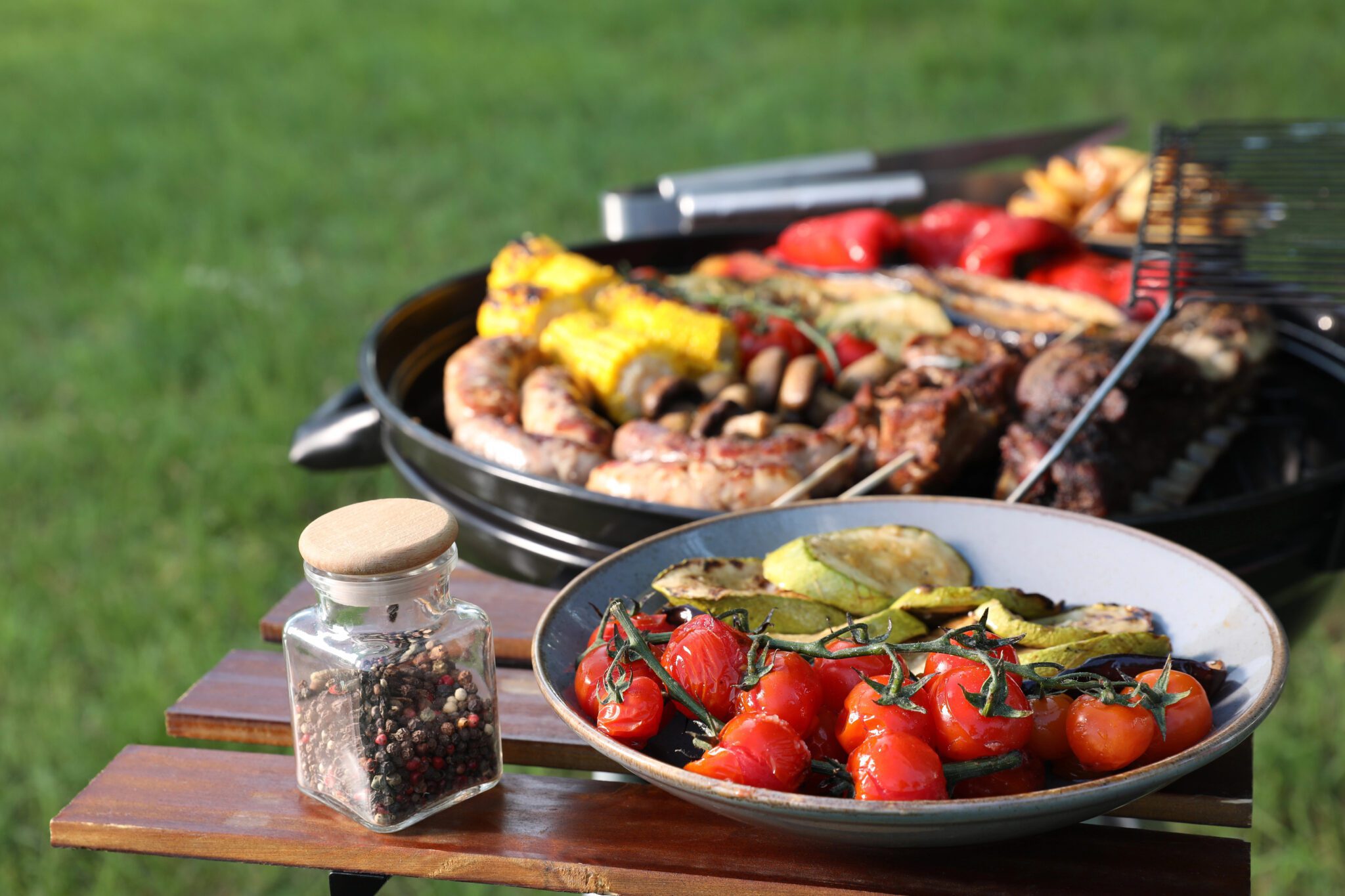
The grill is the focal point, so choose one that matches your cooking style. Gas grills offer convenience and control, charcoal delivers traditional smoky flavour, and hybrid options provide versatility. Additional features such as side burners, storage drawers, and outdoor refrigerators enhance practicality and comfort.
Storage should not be overlooked. Properly sealed cabinets and drawers keep utensils and tools protected from the weather, making your outdoor kitchen feel complete and organised.
Enhancing Comfort and Ambience
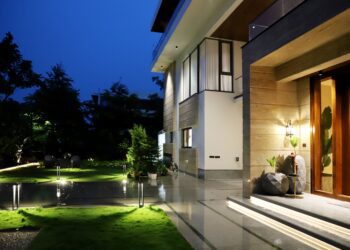
An outdoor BBQ kitchen should feel like an extension of your home. Adding shade structures such as pergolas or umbrellas makes the space usable in different weather conditions. Strategic lighting ensures safe cooking at night and creates a warm, inviting atmosphere.
Consider incorporating heating elements for cooler evenings and thoughtful landscaping to frame the space. Comfortable seating, outdoor rugs, and decorative touches help transform a functional cooking area into a true alfresco retreat.
Conclusion
An outdoor BBQ kitchen brings people together, turning everyday meals into memorable experiences. With careful planning, smart layout choices, durable materials, and thoughtful design elements, you can create a space that balances functionality and relaxation. Whether hosting lively gatherings or enjoying quiet family dinners, a well-designed outdoor kitchen allows you to embrace outdoor living while enhancing both your home and your lifestyle.