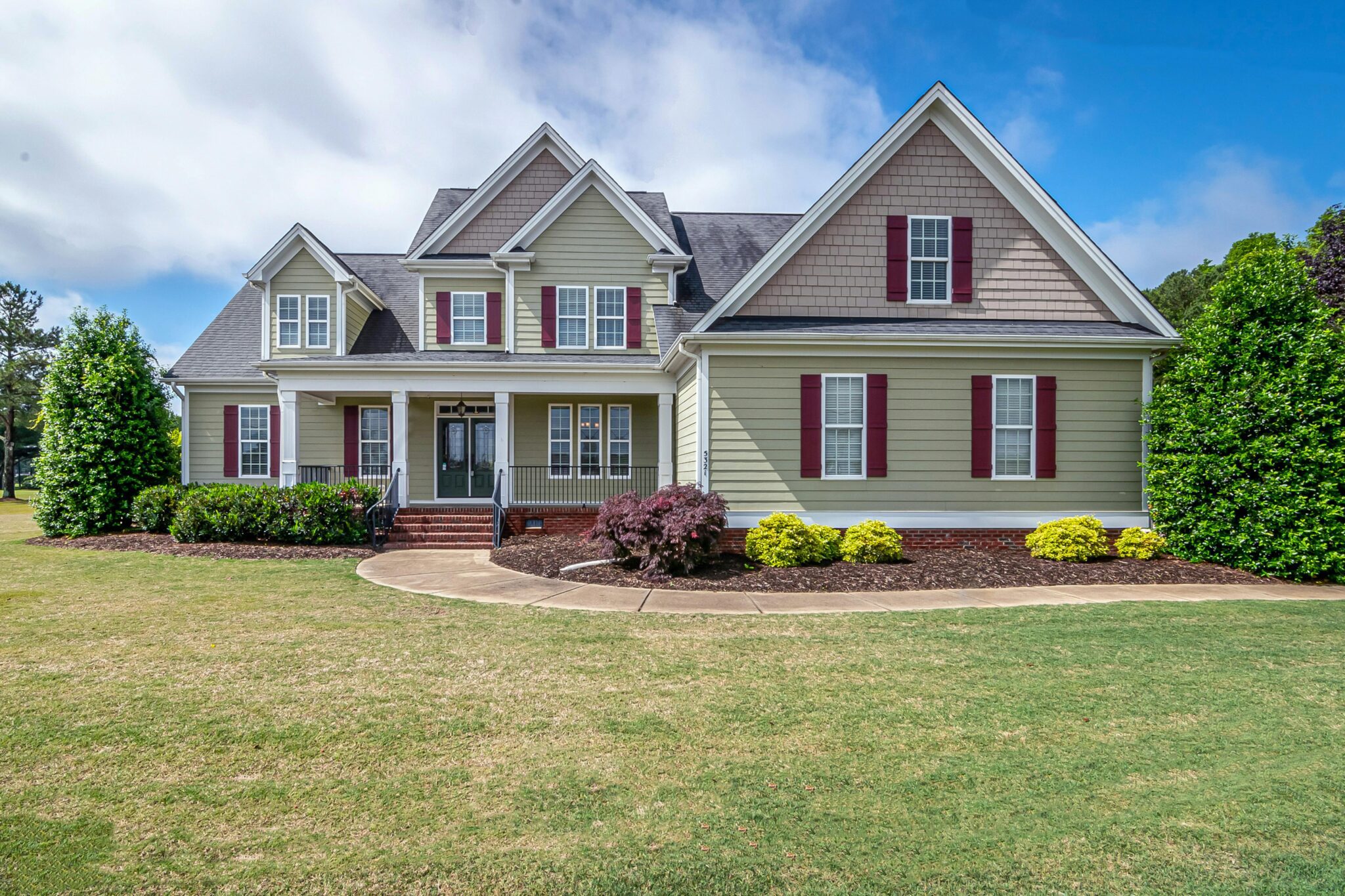
Investing in real estate within growing communities has become one of the most effective ways to build long-term wealth. As major cities expand, nearby areas often experience a surge in demand from buyers seeking affordability without sacrificing convenience. This shift creates opportunities for investors who can recognize which communities are positioned for sustained appreciation.
The key is understanding what truly drives property value in these emerging markets. It is not just about buying early, but about buying smart. Factors like infrastructure, location, and lifestyle amenities all play a role in shaping long-term returns. When these elements align, they create environments where property values can grow steadily over time. Investors who focus on these fundamentals are better equipped to identify opportunities that offer both immediate appeal and future upside.
The Strategic Advantage of Emerging Markets
Growing communities near major metro areas benefit from a steady flow of demand. As housing prices rise in urban centers, buyers naturally look outward for more attainable options. This creates a ripple effect where nearby towns and master-planned developments begin to attract attention from both homeowners and investors. Early movers in these areas often secure properties at lower entry points before broader market recognition drives prices higher.
Developments like La Segarra serve as an example of how communities are now being planned with long-term value in mind. Rather than focusing only on short-term housing demand, such projects are positioned to support future growth and stability. Identifying opportunities like this helps buyers make more informed decisions while gaining both lifestyle benefits and long-term investment potential.
Infrastructure and Connectivity: The Backbone of Growth
Infrastructure plays a central role in determining how quickly a community grows and how valuable its properties become. Easy access to highways and major roadways reduces commute times and makes suburban living more practical for professionals working in nearby cities. When residents can travel efficiently, demand for housing in those areas tends to rise.
Planned infrastructure improvements also signal future growth. When local governments invest in roads, utilities, and transportation systems, it often indicates confidence in the area’s long-term potential. Investors who track these developments can gain an advantage by entering the market before these improvements are fully realized, thereby benefiting from increased property values as connectivity improves.
The Lifestyle Factor: Amenities That Drive Demand
Modern buyers are not just looking for a house; they are looking for a complete living experience. Communities that offer parks, trails, fitness centers, and shared spaces tend to attract more consistent demand. These features enhance daily life and make neighborhoods more appealing to a wide range of buyers, from young professionals to families.
Master-planned communities often outperform standalone developments because they create a cohesive environment. Residents value convenience and a sense of community, which translates into stronger resale potential. As preferences shift toward lifestyle-driven living, properties in amenity-rich neighborhoods are more likely to maintain and increase in value over time.
The Power of School District Ratings
School district quality remains one of the most consistent drivers of residential property value. Buyers often prioritize access to well-rated schools, even if they do not have children. Strong school systems signal stability, community investment, and long-term desirability, which all contribute to higher demand. This influence is especially noticeable in competitive markets where families are willing to pay a premium for access to better education.
Properties located within top-performing districts tend to sell faster and at higher prices. Over time, they also show greater resilience during market downturns. For investors, this means reduced risk and more predictable appreciation, making school ratings a factor that should never be overlooked. Even small differences in district performance can significantly impact buyer interest and long-term returns.
Commercial Growth and Economic Expansion
The presence of nearby retail centers, restaurants, and entertainment options adds convenience and enhances a neighborhood’s appeal. Buyers are drawn to areas where daily needs and leisure activities are easily accessible. This type of commercial development often creates a more dynamic and attractive living environment. It also signals that the area is evolving to meet the expectations of modern residents.
Economic growth plays an equally important role. When businesses establish offices or tech hubs nearby, they create jobs and increase local housing demand. This combination of employment opportunities and lifestyle convenience creates a strong foundation for sustained property value growth. As more companies invest in a region, the housing market typically follows with increased competition and rising prices.
Sustainable Development and Future-Ready Planning
Sustainability has become a key consideration for modern buyers and investors. Communities that incorporate green spaces, energy-efficient infrastructure, and environmentally conscious design tend to attract long-term interest. These features are no longer optional; they are increasingly expected. Buyers are also becoming more aware of how sustainability impacts both quality of life and ongoing living costs.
Thoughtful planning also enhances long-term value. Walkable neighborhoods, balanced land use, and smart design contribute to a better quality of life. As regulations and buyer preferences continue to evolve, properties in communities that prioritize sustainability are more likely to remain competitive and desirable. These communities often adapt better to future changes, making them a safer long-term investment.
Market Timing and Long-Term Vision
Entering a market at the right stage of its growth cycle can significantly impact returns. Early investment in a developing community often allows buyers to benefit from both price appreciation and increasing rental demand. Timing, however, requires careful observation of trends and local indicators. Investors who stay informed are better positioned to act before prices begin to rise rapidly.
A long-term perspective is equally important. Investors who focus on steady growth rather than short-term gains are more likely to see consistent results. Monitoring population shifts, job growth, and infrastructure plans can help identify communities with lasting potential rather than temporary hype.
Balancing Growth with Lasting Value
A combination of location, infrastructure, lifestyle amenities, educational quality, economic expansion, and forward-thinking planning shapes property values in growing communities. Each factor contributes to how desirable and sustainable a community becomes over time.
For both homeowners and investors, the goal is to identify areas where these elements align. When a community offers modern living standards alongside strong growth indicators, it creates an opportunity for both immediate satisfaction and long-term financial success. Choosing the right location ultimately comes down to recognizing both present value and future potential.