Protecting a family legacy is a big responsibility. It involves more than just legal papers or bank accounts. Your family history lives in the photos, furniture, and personal items you leave behind. Keeping these pieces safe requires a clear strategy. Many people wait too long to start this process. Starting early makes the transition much easier for everyone involved.
Preserving Heirlooms for the Next Generation
Many families struggle to find enough room in their homes for large furniture or extensive collections. For many households, affordable storage in Morningside provides a way to keep items safe without cluttering their living rooms. This approach keeps your history intact as you decide on the best way to distribute assets. It provides the time to make careful choices without feeling rushed by a lack of space. Keeping sentimental items out of the way helps you focus on organizing your home.
The Current State of Estate Planning
Recent statistics show a surprising trend in how people prepare for the future. A report from a major estate planning service found that 56% of adults currently have no estate planning documents. This number has stayed fairly flat compared to previous years. Failing to plan can lead to significant complications for heirs — from contested assets to court-supervised distribution that could have been avoided with proper preparation. For families with real property or complex holdings, consulting a probate attorney residents and estate holders rely on can help clarify what documents are actually needed before a crisis arises. Clear instructions about physical property are just as important as a last will. It helps avoid confusion and conflict among family members.
Moving Beyond Physical Assets
Modern legacies now include items that cannot be held in your hands. One legal newsletter pointed out that digital estate planning now covers online accounts, social media, and even AI-generated content. These digital records are often forgotten in traditional plans. Protecting these assets keeps your digital footprint secure. It helps your family access photos or videos stored in the cloud. Managing these accounts is a critical part of modern preservation.
Protecting Wood and Antique Furniture
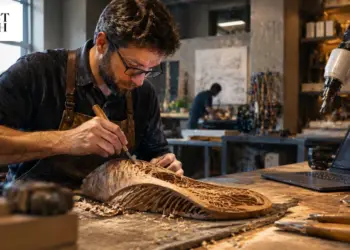
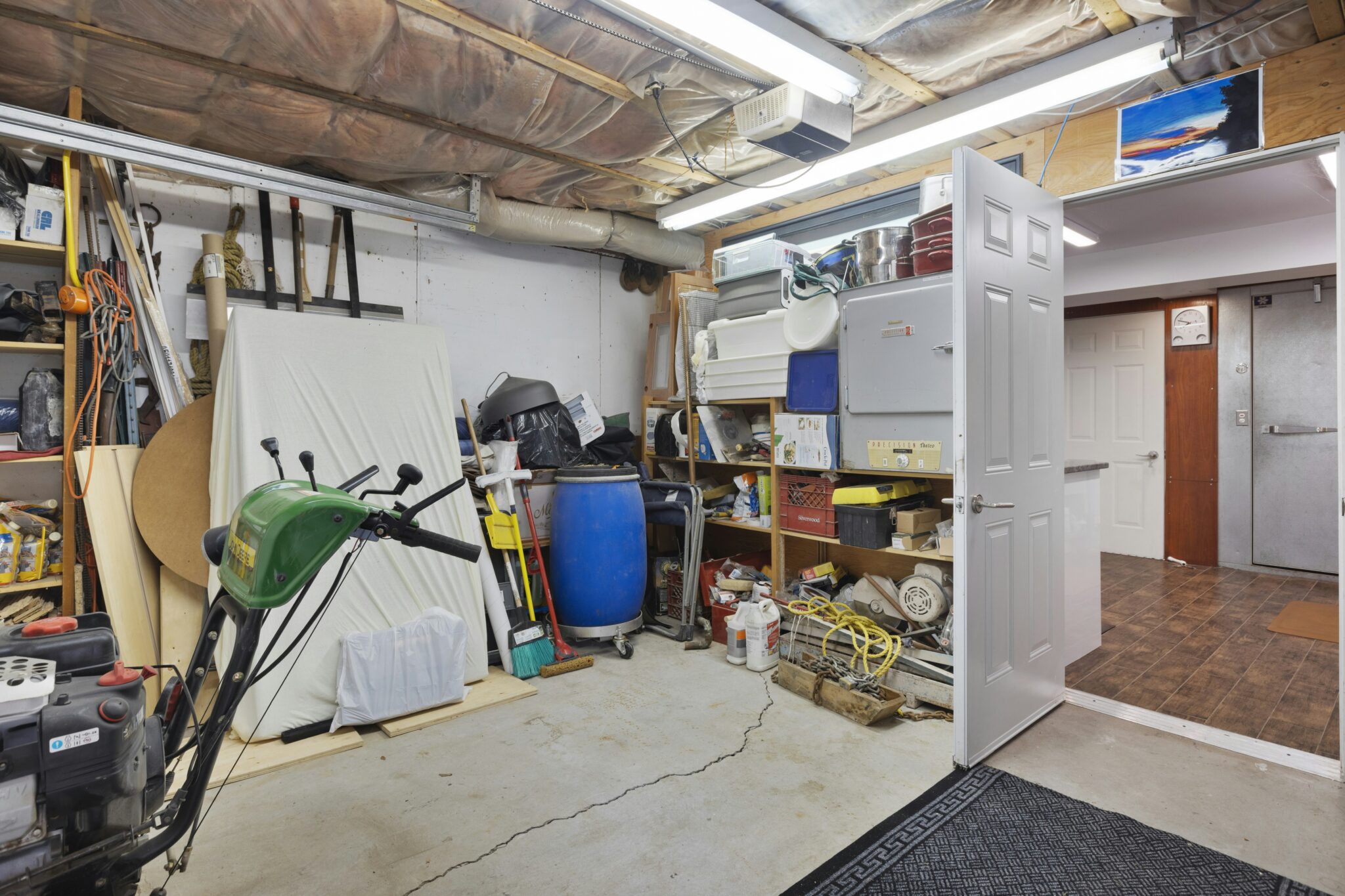
Items made of natural materials need extra care to survive the years. A professional guide on furniture care notes that wood can warp or crack if the environment changes too much. Storing these items in the wrong place causes permanent structural damage. Some common storage spots are actually quite risky. An article from a museum collection expert warns against using attics or basements for family heirlooms. These areas rarely provide the stable conditions needed for long-term safety.
Environmental Standards for Valuables
Keeping a steady temperature is the secret to preserving delicate items. Experts recommend keeping storage areas between 15 and 25 degrees Celsius for the best results. Humidity should stay around 50% to prevent mold or drying. Items like old books and textiles are very sensitive to these levels. Small changes in moisture can cause paper to yellow or fabric to rot. Consistent conditions make sure your treasures stay in top shape.
Choosing an appropriate storage facility is another important consideration when protecting family possessions, particularly in areas where heat and humidity can cause damage over time. For families managing inherited furniture, photographs, or sentimental belongings in Pensacola, Florida, it may be helpful to contact your local storage team at Emerald Coast Self Storage to discuss climate-controlled units and available sizes. Comparing access arrangements, rental terms, and storage conditions can help you choose a suitable space for belongings you intend to preserve.
Best Practices for Packing Heirlooms
Preparing your items for storage is just as necessary as finding the right space. You should use the right materials to prevent scratches or breaks.
- Wrap fragile items in acid-free paper.
- Use sturdy boxes that can be stacked safely.
- Label every container with a list of its contents.
- Keep heavy items at the bottom of the pile.
Taking these steps prevents damage during the moving process and preserves your belongings. It makes it much easier to find specific items when you need them again.
The Value of Sentimental Items

We often attach memories to the things we own. A simple kitchen table might represent years of family dinners. These emotional ties make it hard to get rid of items, even if they no longer fit in your home. Saving these pieces allows you to pass those memories to your children. It provides a physical link to the past that photos alone cannot match. These items carry the weight of your family story.
Organizing Your Storage Space
A messy storage unit makes it hard to find what you need. You should create a path through the middle of the space. This allows you to reach boxes in the back without moving everything else. Placing your most-used items near the door saves a lot of time. Taking a photo of the unit before you close the door is a great way to remember where things are. A good organization keeps your items accessible and safe.
Protecting Heirlooms from Pests
Tiny threats can do just as much damage as the weather. Insects and rodents are drawn to natural fibers like wool and silk. You should inspect your storage space for any signs of unwanted visitors. Using airtight containers is a good way to keep pests away from your valuables. Regular check-ups help you catch any problems before they grow. Vigilance is the best way to defend your collection from pests.
Planning for your estate is a gift to your future self and your family. It turns a potentially stressful time into a smooth transition. By choosing the right storage and staying informed on legal changes, you protect what matters most. Your legacy is more than just objects – it is the story those objects tell. Taking these steps today keeps that story alive for many years. Proper care ensures your treasures remain a source of joy for the next generation.