The global electric vehicle (EV) market in 2026 is no longer a straightforward growth story. While demand for EVs continues to expand, the competitive landscape has become increasingly complex. Established leaders are facing pressure, and new entrants are rapidly scaling with aggressive strategies. This shift is particularly visible in China, the world’s largest EV market, where competition is driving both innovation and volatility.
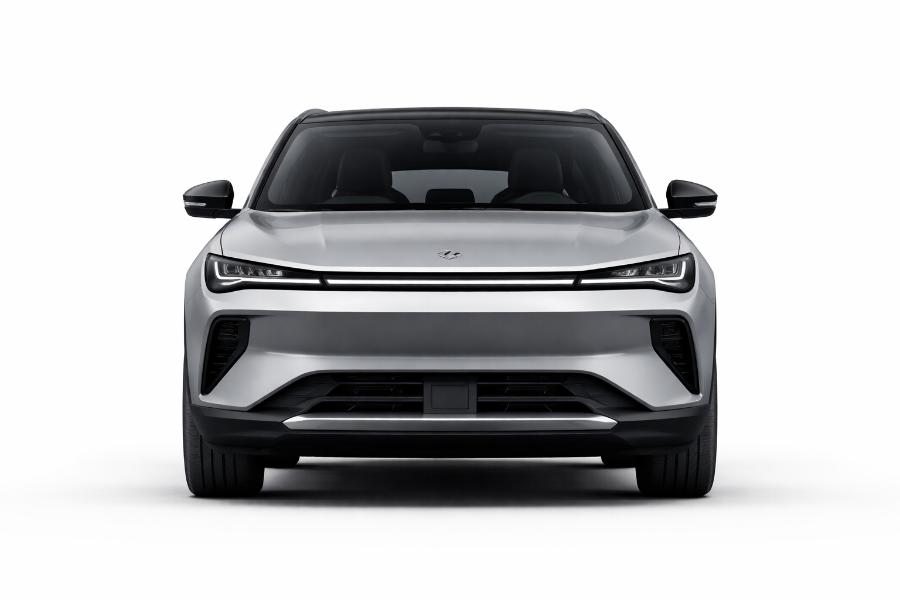
Amid this evolving landscape, Leapmotor has emerged as a surprising contender. Once considered a smaller player, the company is now consistently delivering strong sales performance, crossing the 100,000-unit milestone for four consecutive quarters. This growth trajectory signals not just operational strength but also a well-executed market strategy.
At the same time, BYD long regarded as the dominant force in China’s EV ecosystem has reported a noticeable decline in quarterly sales. As highlighted in a recent report by CNBC, this contrast between a rising underdog and a slowing market leader underscores a critical shift in the EV industry heading into 2026.
Overview of Leapmotor’s Growth in 2026
Leapmotor’s performance in 2026 reflects a company transitioning from a niche manufacturer to a serious mass-market competitor. Delivering over 110,000 vehicles in the first quarter alone, the company has demonstrated consistent growth momentum.
This is not a one-off surge. Instead, it represents a sustained pattern of expansion supported by strong production capabilities and increasing consumer demand. Moreover, Leapmotor’s ability to maintain delivery volumes above 100,000 units for four consecutive quarters indicates operational stability.
Several factors are driving this growth:
- Efficient manufacturing processes
- Competitive pricing strategies
- Strong domestic demand in China
- Expanding global footprint
Consequently, Leapmotor is positioning itself as a scalable EV manufacturer capable of competing with both domestic and international players.
BYD’s Sales Slowdown: Context and Implications
Despite maintaining its leadership position, BYD’s recent sales decline is a significant development. A 30% drop in quarterly sales suggests that even dominant players are not immune to market pressures.
This slowdown can be attributed to multiple factors:
- Intensifying domestic competition
- Slowing economic growth in China
- Market saturation in key segments
However, it is important to note that BYD still delivered nearly 689,000 vehicles in the same quarter. Therefore, while growth has slowed, its overall scale remains unmatched.
Nevertheless, the decline creates an opportunity for competitors like Leapmotor to capture market share. Moreover, it signals a transition from hyper-growth to a more competitive and mature market environment.
Sales Numbers and Growth Comparison
When comparing Leapmotor and BYD, the contrast lies not in absolute numbers but in growth trajectories. Leapmotor is expanding rapidly, while BYD is experiencing a temporary contraction.
Leapmotor’s year-on-year growth of approximately 26% highlights strong demand and effective execution. In contrast, BYD’s decline suggests a recalibration phase.
This divergence is critical because:
- Growth momentum often attracts investor confidence
- Rapid scaling can improve cost efficiencies
- Market perception shifts toward emerging players
Leapmotor vs BYD (2026 Performance Snapshot)
| Metric | Leapmotor | BYD |
|---|---|---|
| Q1 Deliveries | 110,155 | 688,993 |
| Year-on-Year Growth | +26% | -30% |
| Market Position | Emerging challenger | Market leader |
| Pricing Strategy | Affordable EVs | Broad range |
| Production Model | In-house components | In-house components |
| Global Expansion | Growing | Established |
Product Strategy: Affordable EVs vs Market Dominance
Leapmotor’s product strategy is centered on affordability and accessibility. Unlike competitors focusing on premium segments, the company targets a broader customer base.
This approach includes:
- Cost-efficient vehicle designs
- Simplified feature sets
- Competitive pricing
In contrast, BYD operates across multiple segments, from budget vehicles to premium EVs. While this diversification provides flexibility, it also introduces complexity in product positioning.
Moreover, Leapmotor’s focused strategy allows it to optimize production and streamline operations. Consequently, it can offer competitive pricing without significantly compromising margins.
Technology and Platform Advantages
A key differentiator for Leapmotor is its vertical integration. Like BYD, the company manufactures critical components such as batteries and powertrains in-house.
This approach offers several advantages:
- Reduced dependency on external suppliers
- Lower production costs
- Better quality control
- Faster innovation cycles
Moreover, vertical integration enables Leapmotor to respond quickly to market changes. This agility is particularly valuable in a fast-evolving industry like EVs.
However, maintaining such integration requires significant capital investment and operational expertise. Therefore, while beneficial, it also introduces risks.
Pricing Strategy and Value Proposition
Pricing remains one of Leapmotor’s strongest competitive levers. By offering affordable EVs with essential features, the company appeals to cost-conscious consumers.
Key aspects of its pricing strategy include:
- Competitive entry-level pricing
- High value-to-cost ratio
- Minimal reliance on premium features
In contrast, BYD’s pricing strategy spans multiple segments, which can dilute its positioning in certain markets.
Consequently, Leapmotor’s focused value proposition resonates strongly with first-time EV buyers. This segment is expected to grow significantly in the coming years.
Risks and Sustainability of Growth
Despite its strong performance, Leapmotor faces several risks:
- Intense competition from established players
- Economic uncertainties
- Regulatory challenges in global markets
Moreover, sustaining high growth rates over time is inherently difficult. As the company scales, operational complexities increase.
However, if Leapmotor continues to innovate and maintain cost efficiency, it can mitigate these risks effectively.
EV Brand Comparison (2026)
| Brand | Positioning | Strength | Growth Trend |
|---|---|---|---|
| Leapmotor | Affordable EVs | Cost efficiency | Rising |
| BYD | Market leader | Scale & integration | Slowing |
| NIO | Premium EVs | Technology & brand | Stable |
| XPeng | Smart EVs | AI & software | Volatile |
Future Outlook: Can Leapmotor Sustain Its Momentum?
The EV market in 2026 is entering a phase of consolidation and competition. Leapmotor’s growth trajectory suggests that it has the potential to become a major player.
However, long-term success will depend on:
- Sustaining innovation
- Managing costs effectively
- Expanding global presence
Moreover, the company must navigate regulatory and economic challenges as it scales internationally.
Therefore, while the current trend is promising, sustained growth will require strategic execution and adaptability.
FAQs
1. What is Leapmotor known for?
Leapmotor is known for producing affordable electric vehicles with strong in-house manufacturing capabilities.
2. Why are BYD sales declining?
BYD’s sales decline is linked to increased competition and changing market dynamics in China.
3. Is Leapmotor expanding globally?
Yes, the company is expanding into Europe, South America, and other international markets.
4. How does Leapmotor compete with BYD?
It competes through lower pricing, focused product strategy, and efficient production.
5. Is Leapmotor’s growth sustainable?
While promising, sustainability depends on market conditions and strategic execution.