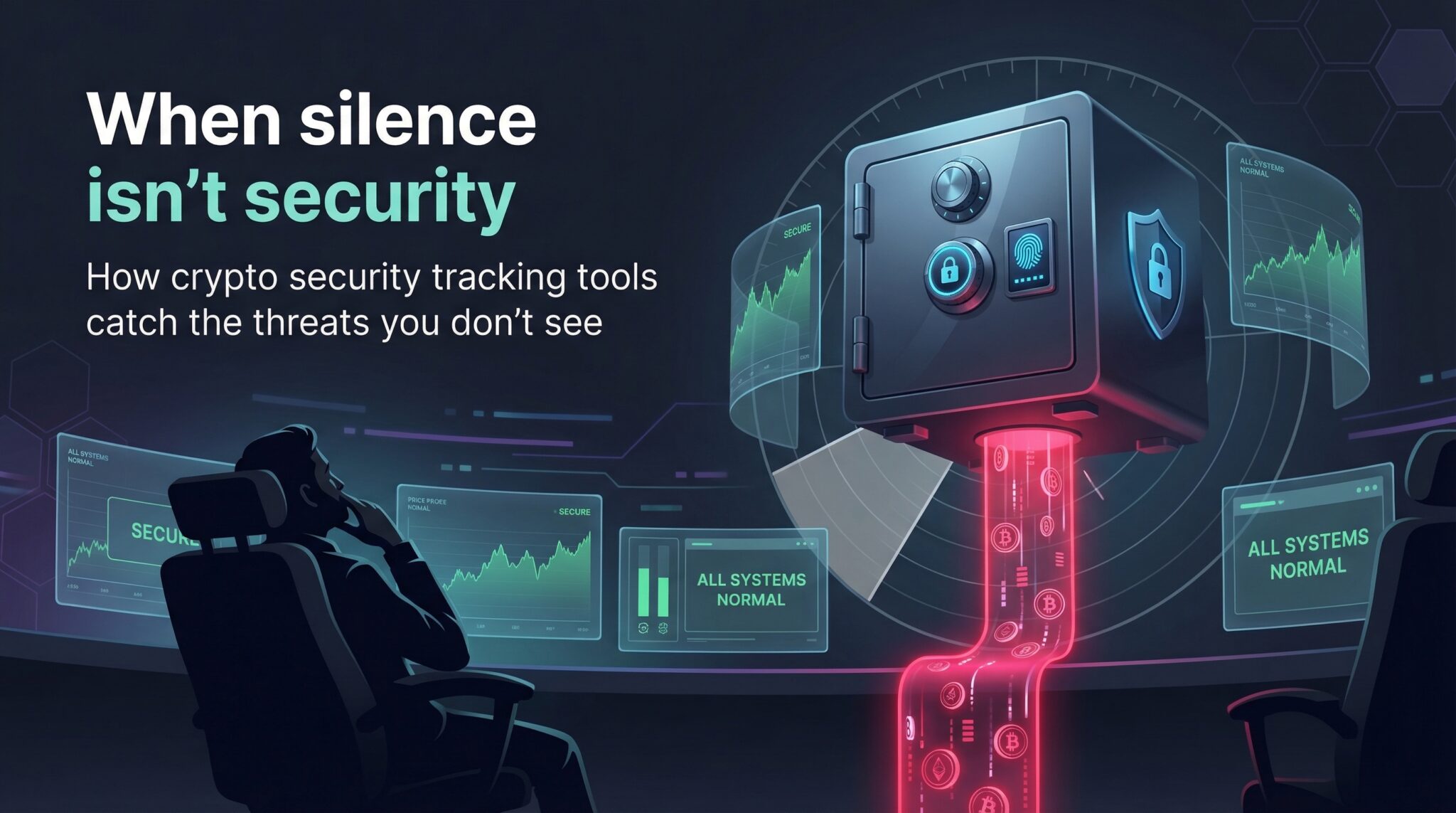
North Korea’s Lazarus Group slipped into Bybit’s “untouchable” cold wallet in February 2025 and siphoned $1.5 billion in ether before anyone reacted. The breach proved one thing fast: even top-ten exchanges can miss a heist that size—so individual holders like you can’t assume silence means safety.
Crypto prices swing daily, but active threats are the real cliff edge. Phishing kits, rogue approvals, and zero-day bridge exploits look for the moment no one is watching. Traditional portfolio apps tally balances; they rarely flag danger.
This guide fixes that gap. We rank the 10 leading security-tracking tools that monitor where your assets live, spot suspicious outflows in real time, and—on some platforms—freeze a hack mid-block. After months of testing user reviews, breach reports, academic papers, and live demos, we built a six-factor scoring model. The result: a short list you can trust without sifting endless dashboards.
Read on, and let’s make sure no one slips into your wallet while you sleep.
How we scored every tool
We didn’t pluck names from thin air.
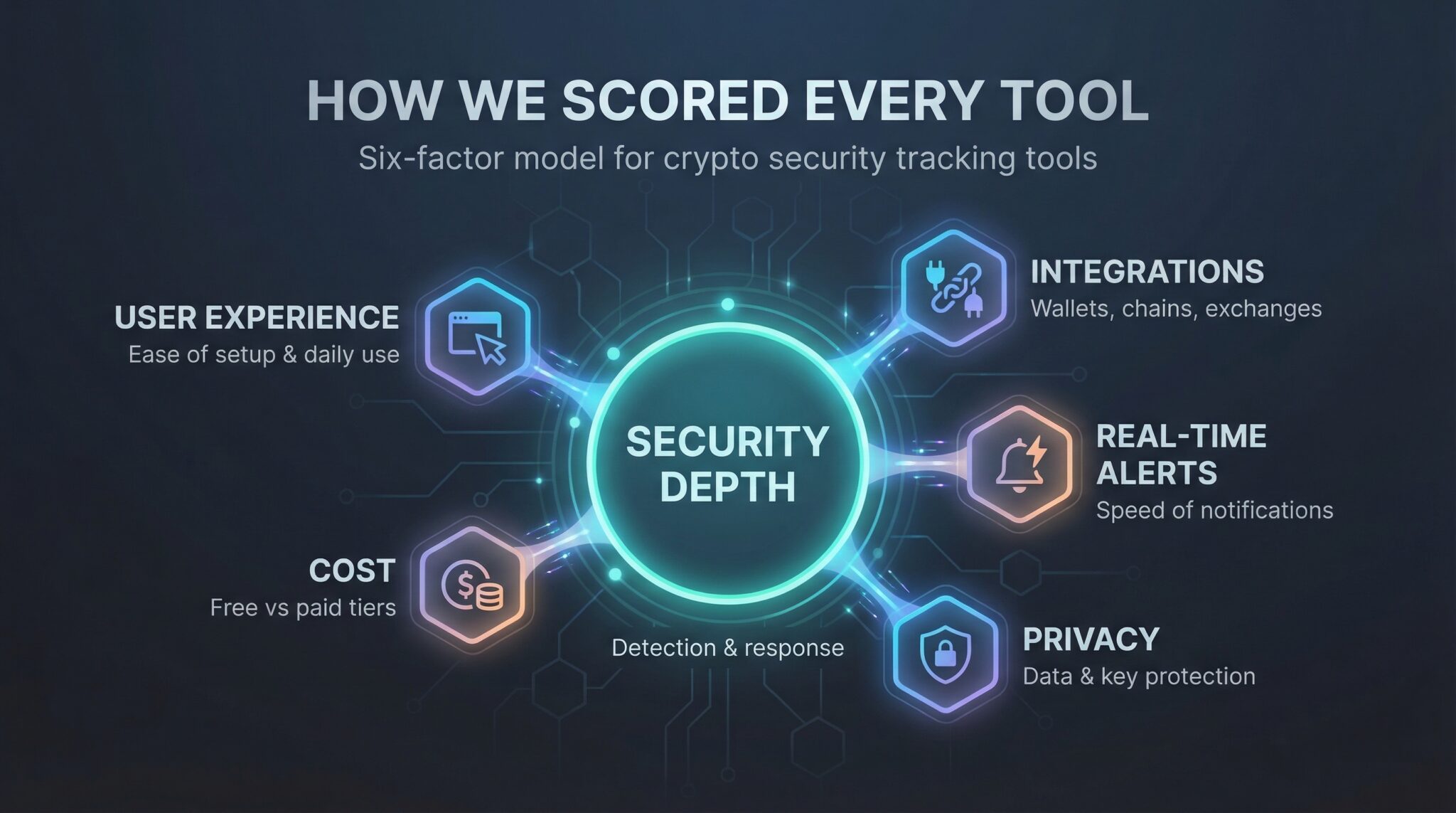
Our team asked a single question: “Will this product help someone keep their crypto safe?” Then we built a six-point test around it.
First, we weighed Security depth. Does the platform detect false moves or stop them in flight?
Project 11’s open-source Bitcoin RIsQ List reruns a full-chain scan each week, then publishes a searchable database of every address whose public key is exposed. Its latest snapshot counted about 6.7 million BTC—nearly one-third of supply—sitting in quantum-vulnerable outputs, the sort of hard evidence we looked for when grading Security depth.
Next came Integrations. A tracker that ignores half your wallets is a liability, not a lifeline.
Third, Real-time alerts. Speed matters; hours can equal millions.
We added Privacy, because sharing keys or tax data with the wrong party only trades one risk for another.
Cost kept us honest—great tech is useless if priced beyond reach.
Finally, User experience made sure clever features stay visible instead of hiding behind a PhD interface.
Security carried the heaviest weight. We ran hands-on trials, reviewed community feedback, and cross-checked vendor claims. Only the ten highest scorers advanced.
You’ll see them in a moment, but glance at the quick-view table first. It shows how those six factors map to real products, so you can spot your front-runners in seconds.
Quick-view comparison
Before we dive tool-by-tool, scan the grid below. It condenses hours of testing into one screen, so you can see which platform already fits your stack.
| Tool | Best For | Real-Time Alerts | Chains / Integrations | Price Tier* | Signature Strength |
| Project Eleven RIsQ | Long-term BTC holders | No | Bitcoin only | Free | Quantum-risk radar |
| Forta | Dev teams & protocols | Yes | 8+ EVM chains | Free | Decentralized threat bots |
| Harpie | NFT & DeFi power users | Yes (auto-block) | Ethereum + L2s | $ | Wallet firewall |
| Arkham | Investigators | Yes | 15+ chains | $$ | Entity deanonymization |
| Nansen | Market watchers | Yes | 40+ chains | $$ | Smart-money signals |
| DeBank | Everyday DeFi tracking | Feed (pull) | 30+ EVM chains | Free | Social wallet feed |
| CoinTracker | Portfolio + tax | Balance ping | 500+ sources | $ | SOC-2 trust, 4.7★ |
| Koinly | Global tax reports | Balance ping | 600+ sources | $–$ | ISO 27001 certified |
| Rotki | Privacy purists | Manual check | API + local wallets | Free / $ | Local-only data |
| Glassnode | Macro analytics | Metric alerts | BTC, ETH, majors | $–$$ | Network-wide signals |
- $ = under $10/mo, $ = $10–$50/mo, $$ = $50+/mo
1. Project Eleven: Bitcoin RIsQ list
Imagine holding bitcoin for a decade and waking to learn a quantum computer cracked your private key overnight. Project Eleven exists so that never catches you off guard.
Its Bitcoin RIsQ list scans the chain for addresses with exposed public keys. Right now it flags about 6.7 million BTC, roughly six hundred billion dollars, sitting in quantum-vulnerable outputs, according to Bitcoin at risk of quantum attack.
Open the site, paste an address, and get an instant answer, no signup or wallet connection required. That simplicity matters because early “pay-to-public-key” miners still hold coins yet rarely use modern dashboards.
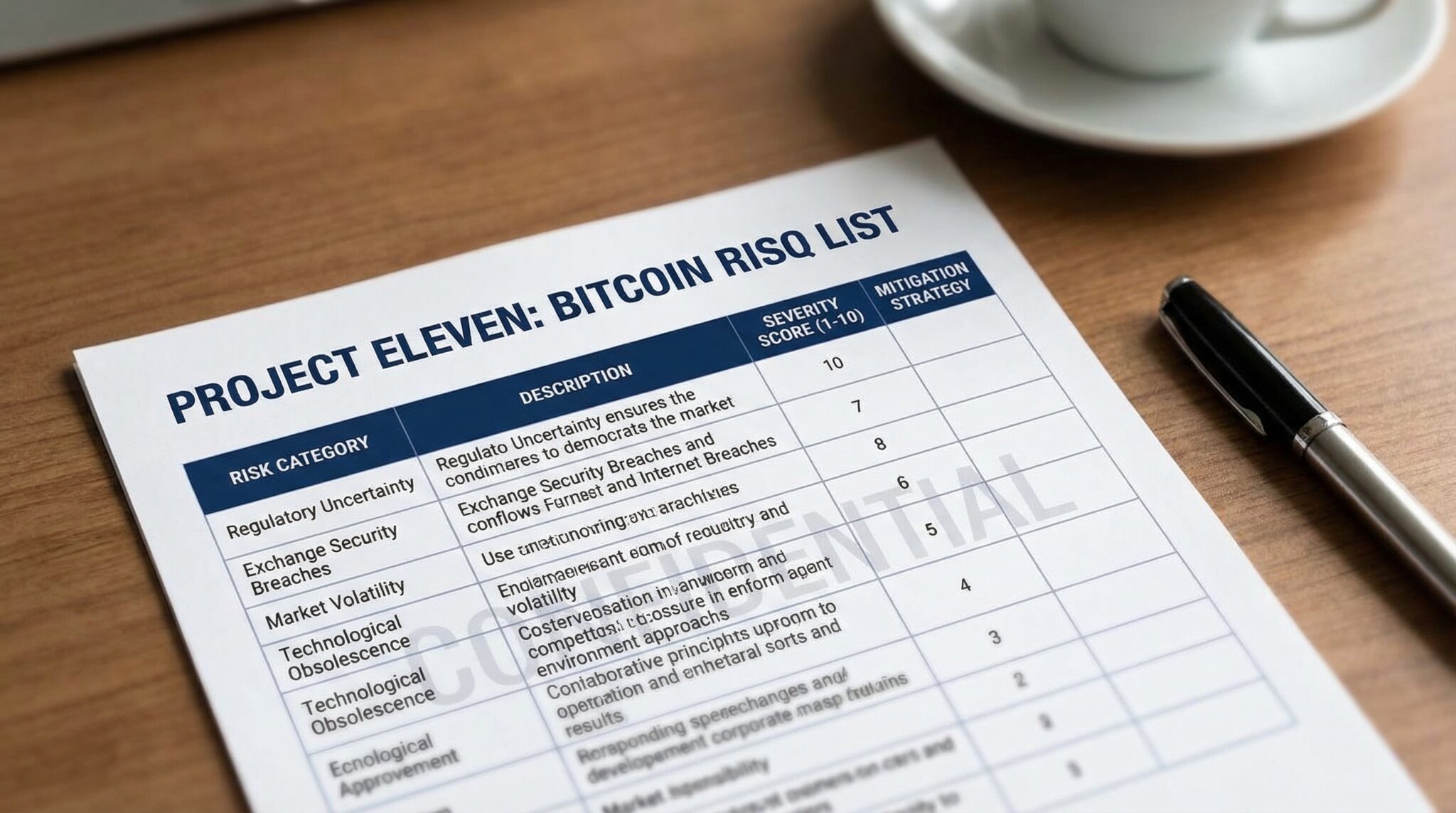
Project Eleven shows no glossy charts or push alerts. It serves one mission: warn long-term holders before quantum hardware moves from lab to mainnet. That focus makes it valuable for treasuries, family offices, and anyone with legacy cold wallets.
The tool is free for now, funded by researchers who raised $6 million last year to harden Bitcoin against quantum attacks. If the list shows your coins at risk, move them to fresh Taproot or SegWit addresses well before “Q-Day” arrives.
Treat Project Eleven like an annual check-up, similar to updating hardware-wallet backups, so future cryptography breakthroughs never erase past gains.
2. Forta: the 24/7 alarm system for DeFi
Hackers thrive on surprise. Forta steals that advantage.
Picture thousands of independent nodes scanning every pending transaction on Ethereum, Polygon, Arbitrum, and several other chains. Each node runs purpose-built “detection bots.” One flags flash-loan exploits, another spots liquidity-pool drains, a third tracks unusual multisig votes. The moment a bot triggers, Forta broadcasts an alert, often before the attacker’s transaction confirms.
DeFi teams stream those alerts into Slack, PagerDuty, or an emergency pause script. That speed has already cut losses in several headline exploits. Individual users benefit through wallet and dashboard integrations that surface Forta warnings, so you receive a ping when a protocol you rely on starts to look risky.
Setup is light. Subscribe to community bots for free, or write your own if you run a project. Because Forta runs on a decentralized network, no single server outage silences the system, and no company can change the rules unilaterally.
Think of it as a neighborhood watch that never blinks. It will not hold your keys or file your taxes, but it will shout the second your favorite lending market springs a leak. In crypto, that head start can be the difference between “patch quickly” and “post-mortem.”
3. Harpie: a wallet firewall that outruns thieves
Most hacks finish in seconds. Harpie moves faster.
Register a wallet, choose the assets to protect, and approve Harpie’s contract once. From then on, the service watches the mempool for any outgoing transfer you did not trigger inside its dashboard. If one appears, Harpie fires a pre-authorized counter-transaction that sweeps your tokens or NFTs into a vault address you control. It often lands in the same block, turning a planned theft into a failed attempt.
Setup feels like insurance onboarding: pick assets, set a guardian wallet, and you are done. Pricing is straightforward—a modest monthly tier or a small success fee on each saved transaction. For anyone managing six-figure collectibles or large DeFi positions, that cost fades next to total loss.
Pair Harpie with Forta’s early-warning network and you cover two angles: Forta shouts, Harpie intercepts. Together they turn minutes of panic into moments of relief.
4. Arkham: blockchain’s “Bloomberg Terminal”
After a hack, the first question is not why. It is where did the money go. Arkham turns that chase into a point-and-click exercise.
The platform links addresses to real-world entities such as exchanges, funds, and known hacker rings, then layers AI search on top. Type a plain-English query like “Show flows from the Bybit exploiter to Binance since Tuesday,” and Arkham draws the trail. No SQL, no block-explorer spelunking.
That depth earned the nickname the Bloomberg Terminal of crypto (as noted by CoinBureau).
Investigators prize the visual tracer, but everyday users can gain plenty too. Set an alert on any wallet—yours, a DAO treasury, or a public scam address—and Arkham pings you the moment funds move. Alerts land in email or Telegram quickly enough to act before coins tumble into mixers.
There is a trade-off. The free tier offers recent data with query caps, while deeper history costs Wall Street–style prices. Because Arkham focuses on attribution, privacy-first holders may hesitate. If you ever need to trace stolen assets across fifteen chains, though, few tools feel this exact.
Use Arkham when you suspect trouble or when counter-party checks matter more than anonymity.
5. Nansen: spot trouble by following smart money
Markets whisper long before they scream. Nansen hands you the stethoscope.
The dashboard labels millions of wallets, including exchanges, venture funds, MEV bots, and known scam addresses, then refreshes flows across more than forty chains in near real time. When “smart money” dumps a token or whales exit an exchange, Nansen’s heat maps shift from green to deep red within minutes.
During the FTX collapse in November 2022, exchange-outflow charts spiked days before withdrawals froze, giving attentive traders the cue to exit. Set your own triggers—ETH leaving a bridge, stablecoins flooding Binance, a hacker wallet resurfacing—and Nansen pushes alerts to Telegram so you can act rather than react.
The free tier covers basic analytics, while deeper metrics and unlimited alerts require a professional plan. If your security playbook includes reading crowd sentiment before social media trends, Nansen’s blend of labeled data and clear visuals can give you that head start.
Use it like radar. Check it when volatility rises, or keep alerts running quietly so sudden spikes reach you long before mainstream headlines.
6. DeBank: your DeFi control room in a single URL
DeFi moves fast, and copy-pasted contract addresses get messy even faster. DeBank cleans the chaos.
Drop any wallet into its search bar and the site instantly surfaces balances, liquidity-pool stakes, open loans, and NFTs across almost every EVM-compatible chain: Ethereum mainnet, BSC, Arbitrum, Polygon, Avalanche, and dozens more. CoinMarketCap calls that coverage “extensive,” praising how quickly the team adds new protocols.
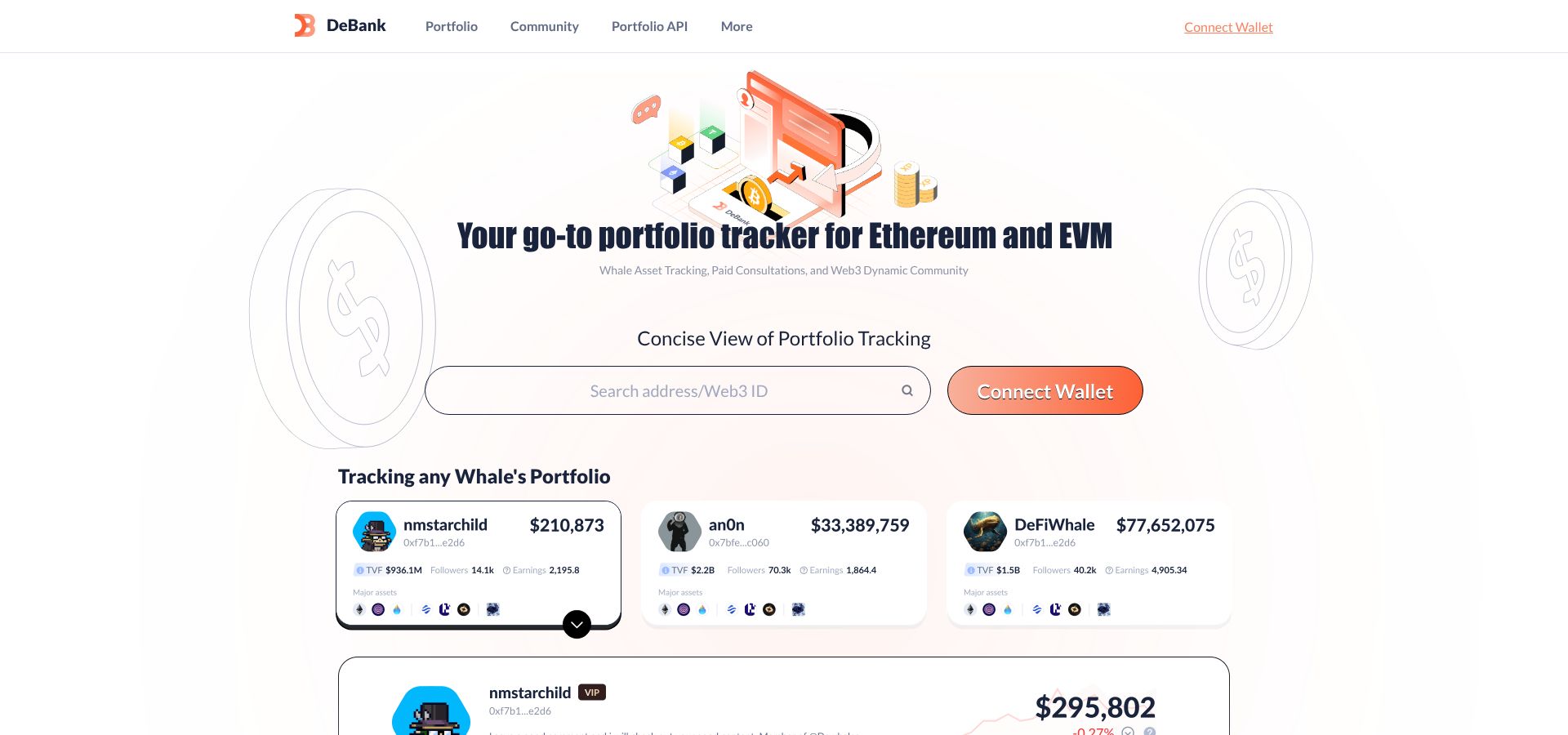
The interface reads like a social feed. Follow your cold wallet, a project treasury, or last night’s hacker address. One refresh shows who swapped, staked, or dumped tokens in the past few minutes. No sign-in is required, and you never share keys.
Security hides in the little details DeBank surfaces: unspent dust tokens that may be phishing bait, forgotten token approvals that still grant strangers spend power, or a sudden zero balance that shouts “wallet drained.” Link a Telegram bot, and those insights reach you while the block is still finalizing.
All of this remains free. DeBank earns on optional swap fees, so monitoring costs users nothing.
If you interact with DeFi each week, or even watch friends who do, bookmark DeBank. It turns the public ledger into a live dashboard that fits inside a single browser tab and a coffee break.
7. CoinTracker: one dashboard, zero blind spots
Security begins with knowing exactly what you hold. CoinTracker nails that foundation.
Connect your exchanges, paste wallet addresses, and the platform reconciles every trade, transfer, and airdrop across more than 500 integrations. The live P&L view highlights oddities in seconds, such as a balance that plunged overnight or a mystery token slipped in through a dusting scam.
Credibility matters when you hand over read-only keys. CoinTracker passes that test: independent auditors awarded the company SOC 2 Type II status, the same bar met by major banks. Users echo that confidence with a 4.7-star Trustpilot average across over 1 600 reviews, according to TheTradable.
The interface feels like a favorite fintech app, with clean charts, mobile push notifications, and quick “What changed today?” summaries. While CoinTracker does not sound a hack siren, those daily balance pings serve as tripwires. Spot a sudden dip, and you can act before damage spreads.
Tax season is where it shines. One click converts a messy DeFi year into forms your accountant accepts. Lost coins from a hack? Mark them “stolen,” and the report captures the write-off.
Plans start free for light users and rise to paid tiers that cost less than a single on-chain mistake. For many investors, CoinTracker is the first layer of security: constant awareness without the spreadsheet headache.
8. Koinly: global-grade tracking with audit-ready records
If CoinTracker is the friendly bookkeeper, Koinly is the world-travelling accountant fluent in a hundred tax codes.
The web app pulls data from more than 600 exchanges, wallets, and blockchains and reconciles every swap, LP deposit, or staking reward with double-entry precision. Any mismatch, such as a transfer that never lands, appears in red so you can spot missing funds before year-end panic.
Security shows in its certifications. Koinly holds ISO 27001 for information security management and, like its rival, passes SOC 2 Type II audits. Those badges tell regulators and you that encryption, access controls, and incident response plans are externally verified. Users reward that rigor with a 4.7-star Trustpilot rating backed by thousands of reviews, according to TheTradable.
Most features stay free until you download a tax report, so you can monitor portfolios year-round without reaching for a card. When paperwork is needed, Koinly produces locale-specific forms for the US, UK, Australia, Canada, and many other jurisdictions, helpful for digital nomads or DAOs with global contributors.
While it lacks a live hack alarm, the meticulous ledger becomes its own safety net. Discrepancies surface fast, and clean records speed insurance or law-enforcement filings if an exploit strikes.
Pick Koinly when compliance stakes match security stakes and you prefer spotless books over unruly spreadsheets.
9. Rotki: privacy-first tracking on your machine
Some investors want dashboards; others want sovereignty. Rotki serves the second camp.
The open-source app installs on your laptop and keeps every API key, trade record, and balance file encrypted locally. Nothing syncs to a vendor cloud or feeds an ad pixel. Community reviewers on Reddit often call it “the only tracker that never phones home.”
Rotki still connects to major exchanges and chains through read-only keys. It reconciles trades, DeFi positions, and NFTs, then stores that ledger in a file you can back up to cold storage. Lose your laptop, restore the file, and you are whole again. Get hacked online, and your portfolio data was never exposed.
The interface is plain but purposeful, similar to a spreadsheet with wallet features. Automatic token pricing and priority updates come with a modest yearly fee that funds further development, while core features stay free.
Use Rotki when privacy outweighs convenience, or as a local backup to any cloud tracker. In a world where leaks become phishing lists, keeping records offline is a quiet yet powerful defense.
10. Glassnode: macro signals that flag storm clouds early
Sometimes danger hides in plain sight on the public ledger. Glassnode brings it into focus.
The platform ingests raw block data from Bitcoin, Ethereum, and other top chains, then distills it into hundreds of live metrics such as exchange inflows, coin-age destruction, miner outflows, and whale wallet activation. Set thresholds, and Glassnode sends an email or Telegram alert the moment numbers jump outside historical norms.
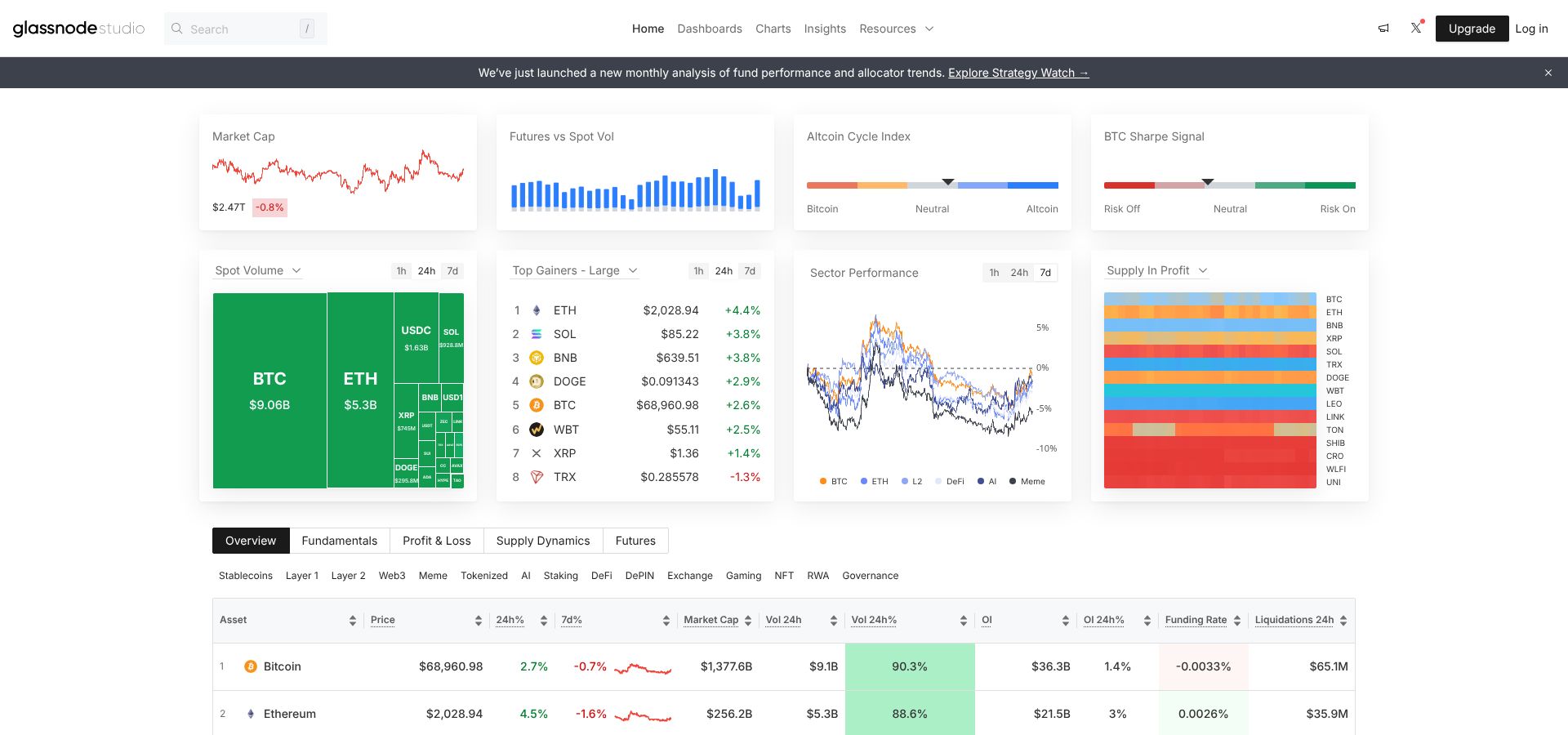
Those spikes matter. A surge in exchange inflows often precedes panic selling. Dormant coins waking after a decade can hint at compromised keys or a whale reshuffle. Either way, you receive hours—sometimes days—of warning before price charts shout.
Glassnode’s free tier provides delayed data and weekly reports popular with on-chain analysts. A modest monthly fee unlocks real-time charts, custom alerts, and the Workbench, a workspace where you combine metrics to create personal early-warning formulas.
Glassnode will not track an individual wallet or block a thief mid-transaction. What it supplies is context no single-address tool can match: a view of network health, stress, and sentiment. Treat it like weather radar that tells you when to close positions, tighten approvals, or move funds to cold storage before the storm arrives.
Conclusion
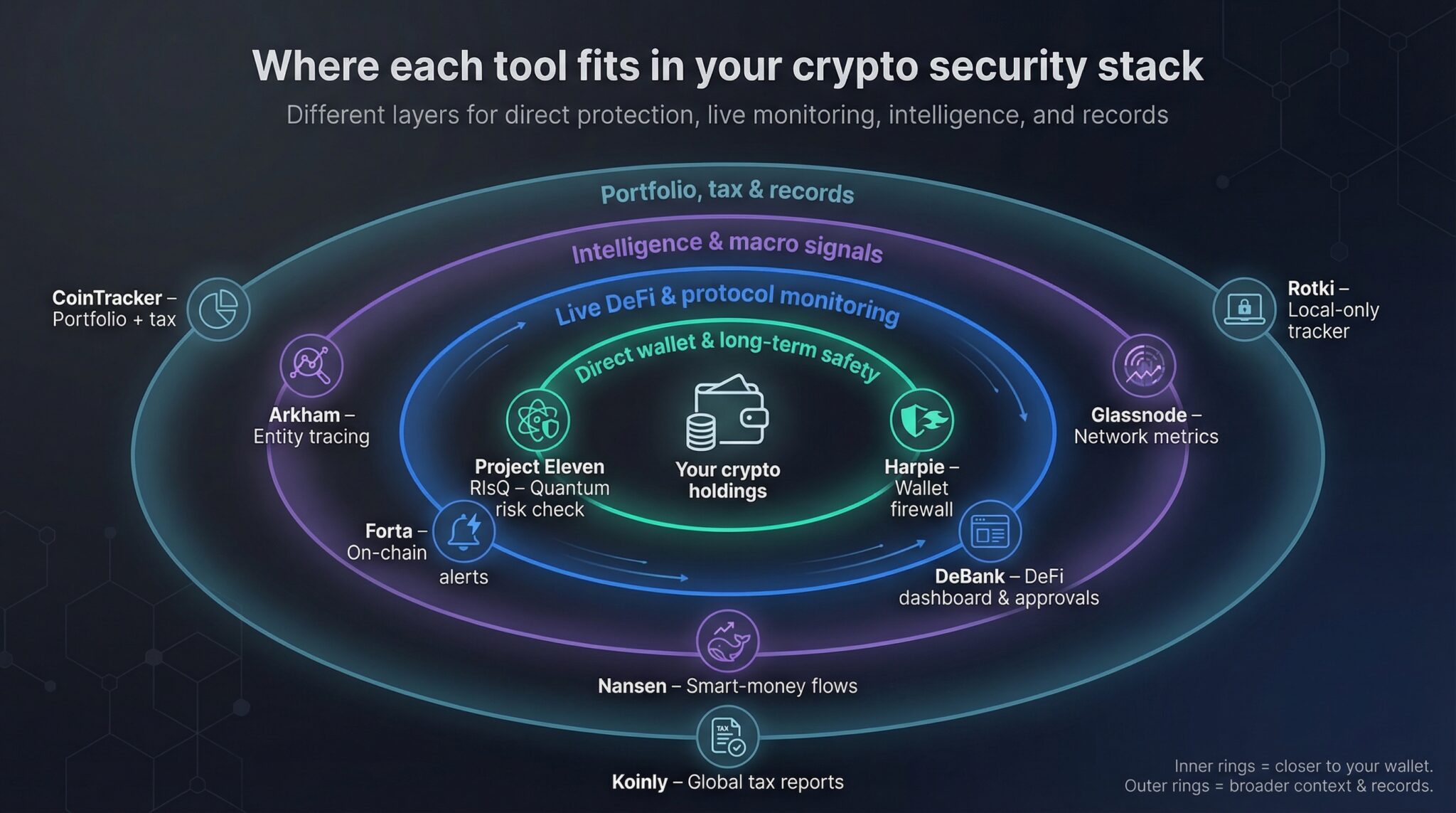
The Bybit breach made one reality impossible to ignore: no single wallet, exchange, or security layer is enough on its own. The ten tools in this guide cover different angles of the same problem—quantum exposure, DeFi exploits, mempool interception, fund tracing, portfolio awareness, and macro risk signals—and the strongest defense stacks several of them together.
Start with the layer that matches your biggest blind spot. If you hold legacy Bitcoin, run your addresses through Project Eleven’s RIsQ scanner. If you interact with DeFi protocols daily, pair Forta’s real-time alerts with Harpie’s wallet firewall. If you manage a diversified portfolio across exchanges and chains, anchor everything in CoinTracker or Koinly so a sudden balance drop never goes unnoticed.
No tool replaces good habits—hardware wallets, revoked token approvals, and regular key rotation still matter—but the right monitoring stack turns minutes of panic into seconds of action. Set up your first alert today, and let the dashboards watch while you sleep.