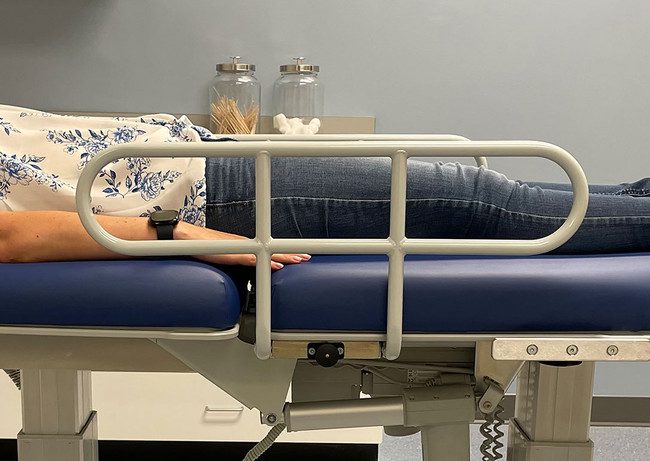
Image from Massage Tools
Three surprising reasons to choose electric medspa chairs include their ability to significantly reduce procedure turnover times through programmable positioning. They enhance patient retention via superior ergonomic comfort and elevate brand perception through sophisticated, photo-ready aesthetics.
Beyond basic functionality, these automated systems serve as strategic assets that streamline clinical workflows. They minimize practitioner strain, directly influencing profitability in a saturated aesthetic market.
The Pressure to Differentiate in Today’s Medical-Spa Landscape
According to the 2024 American Med Spa Association report, the med spa industry was valued at $18.6 billion in 2023 and is projected to grow at an average annual rate of 15.13% from 2024 to 2030.
However, average spend per patient is rising only modestly. This data indicates that growth is currently being driven largely by new competitors entering the space rather than higher pricing structures.
In a marketplace where clients comparison-shop treatments, premium medical spa equipment is no longer merely a “nice-to-have” luxury.
Equipment choices have evolved into strategic levers that influence clinical outcomes and staff efficiency. They also impact online reputation and ultimately profitability.
As the market saturates, the operational backbone of a clinic must do more than just hold a patient. It must actively contribute to the business model.
Advantage #1 – Clinical Efficiency That Scales Profitably
In a high-volume practice, time is the most finite resource. Professional aesthetic treatment chairs with one-touch, programmable positions shave critical seconds from every step of a procedure.
When upgrading to Massage Tools’ electric treatment chairs for professionals, clinics often find that the automation of these movements allows for smoother transitions. This ensures seamless movement between diverse service modalities.
Multiply a 60-second turnover reduction by 15 filler appointments per day to free an extra quarter-hour of billable chair time daily. Furthermore, OSHA-cited ergonomics research demonstrates that powered lifts can cut staff strain injuries by up to 35 percent.
By decreasing physical stress on practitioners, clinics can reduce absenteeism and workers’ compensation costs. Consequently, electric chairs function as medspa business solutions that boost performance.
Workflow Example
Consider a two-room clinic in Denver that alternates between neurotoxin injections and fractional laser resurfacing. Before upgrading, staff manually cranked hydraulic chairs, necessitating the repositioning of headrests several times per session.
Post-upgrade, utilizing pre-programmed memory settings allowed Registered Nurses to switch from “Injection Position 1” to “Laser Recline” in seven seconds. This shift improved daily capacity by 12 percent without adding staff.
| Key Insight: Automating chair adjustments saves over an hour of billable time weekly while reducing staff strain injuries by 35%. Electric chairs aren’t just furniture; they are scalable business assets that directly boost profitability. |
Advantage #2 – Patient-Centric Comfort & Safety Drive Repeat Visits
Comfort is inseparable from perceived quality in the medical aesthetics industry. Features such as whisper-quiet actuators and heated memory-foam cushions serve to calm client anxiety.
They minimize micro-movements that can jeopardize treatment precision during delicate procedures. Peer-reviewed ergonomics studies link thermal comfort to lower pain perception, making physical environment optimization crucial for retention.
All three models referenced above meet ADA-compliant height ranges. This allows safe lateral transfers for mobility-challenged clients. This inclusivity feature not only ensures safety but also broadens the addressable market for the practice.
| Pro Tip: Patient comfort is a clinical necessity, not just a luxury. Stable, relaxed clients exhibit fewer micro-movements during delicate injections, significantly improving treatment precision and safety outcomes while reducing procedure anxiety. |
Advantage #3 – A Sophisticated Aesthetic That Elevates Your Brand
In the digital age, high-definition “before & after” photos act as the primary engine for word-of-mouth marketing. The treatment chair often occupies the center frame of these images.
Seamless upholstery and hidden cabling transform a standard procedure room into a photo-ready set. A boutique practice reported a 28 percent increase in Instagram followers after upgrading, attributing the lift to the visual appeal of new chairs.
Why Professional Grade Matters
When selecting clinical spa furniture, the specifications must align with heavy commercial use. Key indicators of professional-grade equipment include specific durability metrics and logistical support.
- Durability: Commercial-grade actuators tested for 10,000 lift cycles, equating to roughly five years of heavy clinical use.
- Logistics: Availability from domestic warehouses, such as in-stock options with 72-hour shipping, prevents project delays.
- Financial Flexibility: Options for financing and volume discounts are essential for multi-location groups scaling operations.
- Expert Support: Access to licensed practitioner consultants who can assist with CAD layouts ensures the equipment fits the workflow.
For clinics planning complete build-outs, resources like a “Spa Room Design Checklist” are often available. These industry knowledge hubs help guide the process effectively.
| Important: Avoid residential-grade equipment for clinical settings. Professional actuators are tested for 10,000 lift cycles to withstand daily abuse. Cheaper alternatives often fail prematurely, disrupting operations and costing significantly more in long-term replacement fees. |
Real-World Implementation Checklist
Transitioning to electric equipment requires a strategic approach. Use this checklist to guide the upgrade process:
- Audit Workflow: Review current treatment-room operations to spot bottlenecks, such as manual chair resets.
- Define Benchmarks: Establish criteria for patient comfort, including time to full recline and cushion thickness.
- Short-list Models: Select chair models that align with the specific service mix, distinguishing between needs for injectables or medical facials.
- Calculate ROI: Compare the potential extra appointment capacity and average treatment revenue against the equipment cost.
- Schedule Verification: Arrange an on-site demo with a consultant to confirm specifications and power requirements.
| Quote: “Compare the equipment cost against the revenue from one additional appointment per day. Often, the efficiency gains from electric chairs cover the monthly financing costs immediately, making the upgrade cash-flow positive.” |
Cross-Industry Inspiration for Operational Touch-Ups
Medical spas focus primarily on dermal fillers and laser technology. However, incremental comforts borrowed from other service sectors can further distinguish the patient journey.
For instance, winter-climate clinics sometimes stock battery-powered heated gloves for clients. These small details make post-injection monitoring significantly more pleasant for the patient.
Sustainability-minded practices in dense urban areas have started offering rides on an electric moped scooter service. This pairs a green brand ethos with convenience for eco-conscious clientele.
These adjunct amenities cost little in capital expenditure. They reinforce a forward-thinking, guest-first image that complements the high-tech investment inside the treatment room.
Time to Act
Upgrading to electric treatment chairs delivers faster, more ergonomic workflows. It provides superior patient comfort that fuels loyalty and an elevated room aesthetic.
Exploring professional-grade options allows practice managers to see how modern equipment fits clinical goals. Investing in the right infrastructure is the key to staying ahead in an increasingly competitive field.
| Author Profile: Massage Tools is the leading online retailer of professional-grade massage, spa, and medical equipment for practitioners across the wellness industry. |