
Nerve injuries change how your body sends signals. You might feel tingling, numbness, or sharp pain that never seems to go away. These issues often stem from trauma or long-term pressure on delicate pathways.
Learning about why these injuries happen is the first step toward getting better. You deserve to know how your body works and what happens when things go wrong. Most people do not realize how fragile nerves are until they face a challenge.
Understanding The Scope Of Nerve Issues
A recent industry report noted that over 20 million Americans suffer from some form of peripheral neuropathy. This condition often stems from various types of nerve damage that affect daily movements. Many people live with these symptoms without realizing the cause of their discomfort.
Damage to the peripheral nervous system disrupts the connection between the brain and the rest of the body. You might find it hard to grip objects or walk without stumbling. Identifying the root cause of these issues is vital for long-term health.
How Accidents Lead To Physical Trauma
Daily activities sometimes lead to sudden medical emergencies. If you find yourself seeking legal help for nerve injuries following a crash, your doctor will likely look for signs of compression. Sudden impacts often create lasting damage that requires specialized care.
Medical experts from a leading clinic explained that accidents like falls or sports collisions can stretch, crush, or even cut vital nerves. These physical forces disrupt the electrical signals moving through your limbs. Without proper treatment, the damage might become permanent.
- Workplace falls
- Motor vehicle collisions
- Sports-related impacts
- Repetitive motion strain
Types Of Nerves Most Frequently At Risk
Different parts of the body face higher risks depending on your lifestyle. A medical database resource mentioned that the radial nerve is the most frequently injured nerve overall. In the lower limbs, the peroneal nerve tends to be affected more often than others.
The location of the injury determines what kind of symptoms you will experience. If the nerve in your wrist is pinched, your hand might feel weak or numb. Legs and feet are also vulnerable since they support your weight throughout the day.
The Scale Of Recovery Needs
Every year, many individuals face life-altering changes due to physical trauma. One research firm found that peripheral nerve injuries affect over 200,000 people in the U.S. annually. Many patients deal with functional impairments for months or even years.
Finding the right treatment path is a priority for those living with chronic pain. Doctors use different therapies to help the body mend itself. Some people require surgery, while others find relief through physical therapy.
Classifying The Severity Of Damage
Doctors need a clear way to talk about how bad an injury is. A prominent medical university uses the Sunderland classification system to define 5 different degrees of nerve damage. This system helps surgeons decide if a patient needs an operation or just time to heal.
Knowing the grade of the injury allows for better planning. Minor cases might only need rest and ice to recover. Serious cases involve severed fibers that cannot grow back without medical intervention.
Timelines For Successful Healing
Timing is everything when it comes to repairing the human body. An article from a university health center pointed out that patients have about 12 to 18 months to reestablish nerve connections. If the connection is not fixed by then, the muscle might become nonfunctional forever.
The body works slowly when it tries to fix a nerve. You might only see progress in small increments over several weeks. Staying consistent with your medical appointments is the best way to track your improvement.
- Grade 1: Minor compression
- Grade 2: Internal nerve damage
- Grade 3: Significant fiber disruption
- Grade 4: Severe scarring
- Grade 5: Complete nerve severance
Beyond Physical Pain: The Global Impact
Nerve problems do not just affect one person – they affect society as a whole. A scientific journal article stated that peripheral nerve pathologies are a common cause of disability affecting millions of people globally. This widespread issue puts a massive strain on healthcare systems and families.
Living with a disability changes how you interact with the world. You might need to change your career or modify your home to stay mobile. Support from friends and family becomes even more valuable during these transitions.
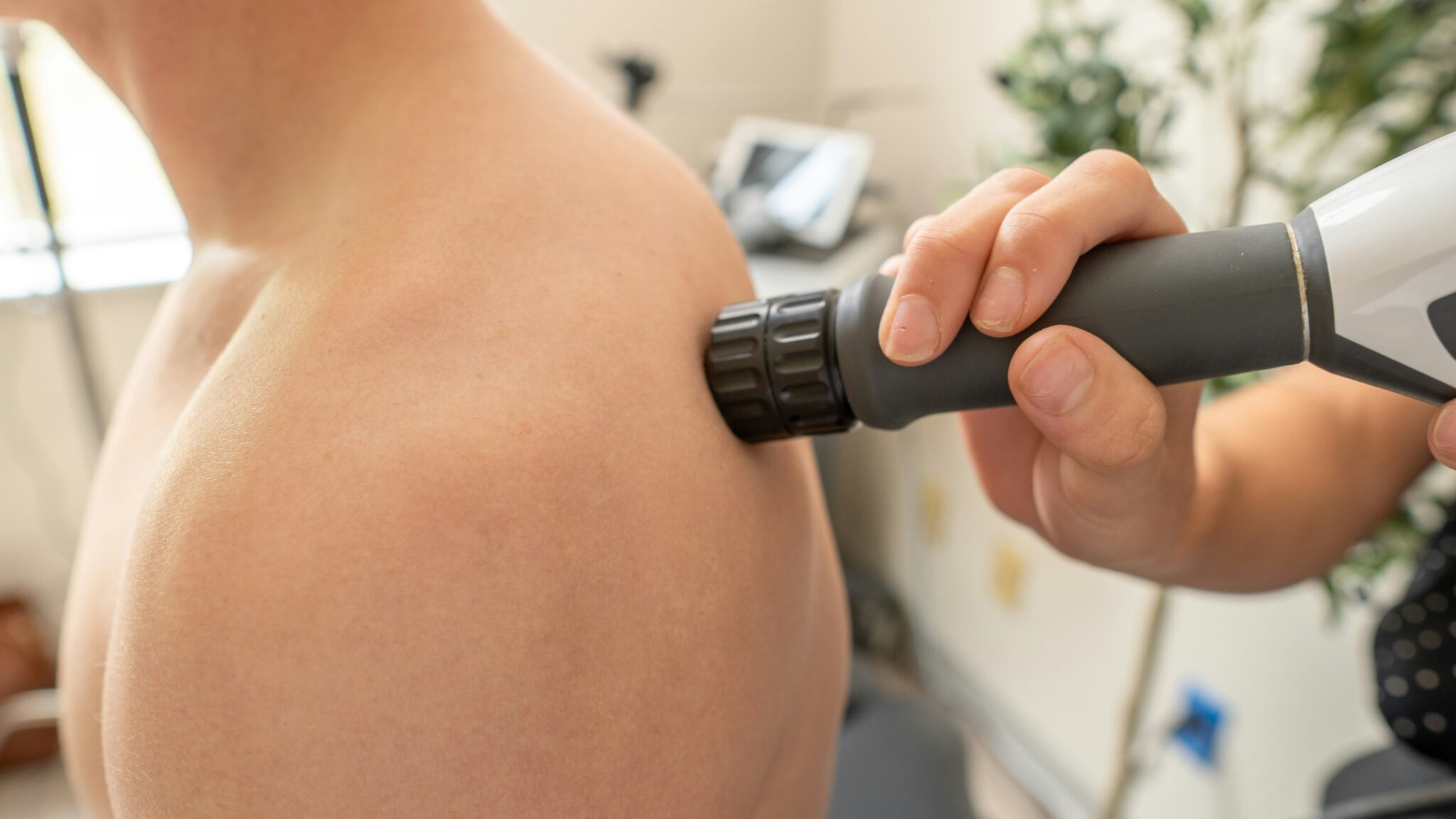
Healing from a nerve injury takes patience and the right medical team. You should listen to your body and seek help if symptoms do not improve. Modern medicine offers many ways to manage pain and regain function.
Staying informed helps you make the best choices for your long-term health. Recovery is a marathon – not a sprint. Focus on small victories every day as you work toward getting back to your normal life.